
Senate Democrat blocks House-passed data center cost bill, proposing stricter alternative
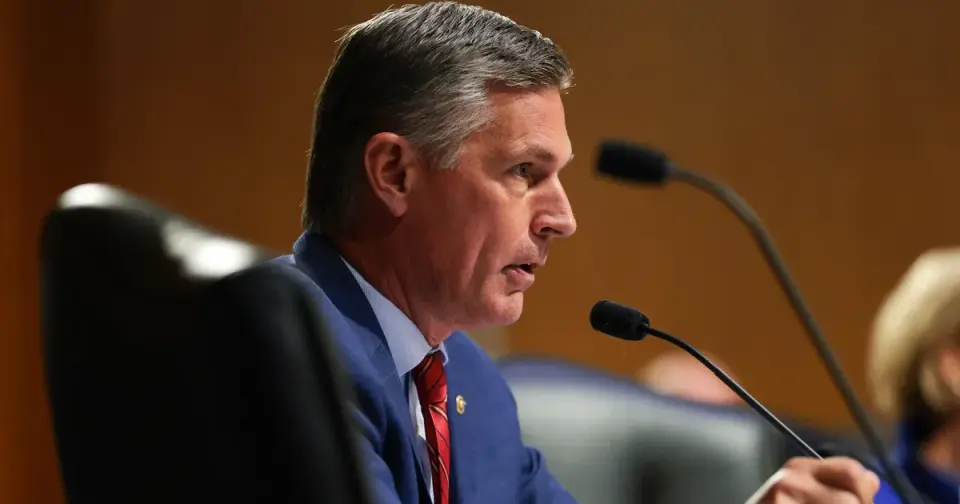
The Senate stalled the Ratepayer Protection Act after Sen. Martin Heinrich blocked a unanimous consent vote, arguing the House-passed bill lacks enforcement teeth. Heinrich proposed a stricter alternative, the GRID Savings Act, while Republicans criticized the delay as a missed opportunity for immediate relief ahead of the midterms.
Key points
- The House passed the Ratepayer Protection Act 417-3 on Wednesday, aiming to force data centers to cover infrastructure costs.
- Sen. Martin Heinrich (D-NM) blocked the Senate vote on Thursday, arguing the bill relies on voluntary state commitments rather than federal mandates.
- Heinrich introduced the GRID Savings Act, which would give the Federal Energy Regulatory Commission jurisdiction over large data centers.
- Sen. Bernie Moreno (R-OH) objected to Heinrich's alternative, calling the block a 'do-nothing' move that denied Americans immediate relief.
- The bill is unlikely to pass before the November midterms as the Senate prepares to adjourn in two weeks.
Background
The Ratepayer Protection Act, co-sponsored by Rep. Gabe Evans and Rep. Kathy Castor, is the first major legislative response to rising energy costs linked to AI data centers. Previous coverage noted the House vote was overwhelmingly bipartisan, with only three progressive Democrats opposing, reflecting growing public concern over utility bills.
How outlets are covering it
CBS News and CNBC report that Sen. Martin Heinrich blocked the Ratepayer Protection Act, arguing it is insufficient. Politico highlights the House's overwhelming 417-3 vote, noting that only three progressive Democrats opposed the measure. CNBC adds that environmental groups like Food & Water Watch criticized the bill as a 'half-step,' while Republicans, including Sen. Bernie Moreno, condemned the Senate delay as a failure to provide immediate relief to ratepayers. All sources agree the bill is unlikely to pass before the midterms.
Why it matters
The failure to pass the Ratepayer Protection Act leaves American consumers without federal protection against rising electricity costs driven by data centers. As the 2026 midterms approach, this legislative gridlock highlights the political tension between immediate cost relief and stricter regulatory frameworks, potentially impacting voter sentiment in competitive races like Ohio's Senate seat.
What to watch
Sen. John Husted has vowed to continue pursuing the Ratepayer Protection Act, though the Senate is set to adjourn in two weeks. Sen. Martin Heinrich will likely push for his GRID Savings Act, which mandates federal oversight for data centers demanding 150 megawatts or more. The outcome of the Ohio Senate race between Husted and Sherrod Brown may also influence future legislative priorities on data centers.
- Senate Democrat blocks House-passed bill to shield Americans from data center energy costs, proposing alternate measure CBS News
- Bill to curb AI data center utility costs hits snag in Senate CNBC
- House Passes Bill Taking Aim at Data Center Electricity Costs The New York Times
- House overwhelmingly passes bill to shield ratepayers from data centers Politico
- Oklo Jumps 13%, NuScale Power Climbs 10%: Does the House Data Center Power Vote Reach Nuclear? Yahoo Finance
Want the full story? Read the original reporting
Read on CBS News