
SNAP Benefits Rise Slightly as Federal Cost Shifts to States Take Effect
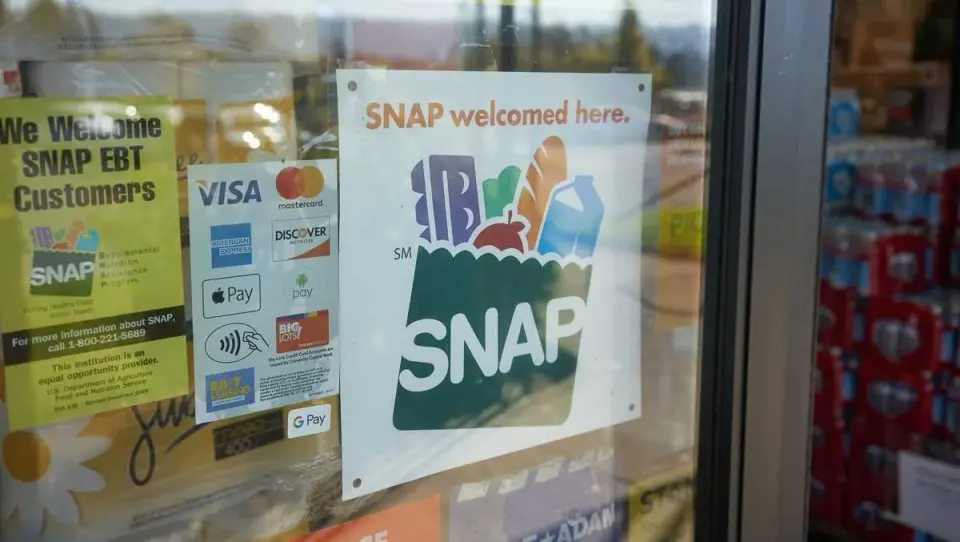
Starting October 1, 2026, maximum monthly SNAP benefits increase slightly for inflation, while states assume a larger share of administrative costs under new federal law.
Key points
- Maximum monthly SNAP benefit for a single person in the 48 contiguous states and D.C. rises to $306 from $298.
- Maximum monthly benefit for a family of four increases to $1,023 from $994.
- States must now cover 75% of SNAP administrative costs, up from 50%, with the federal share dropping to 25%.
- Federal law may require some states to contribute to benefit costs starting in October 2027 based on payment error rates.
- More than 37 million people received SNAP benefits in March 2026, down nearly 5 million from the previous year.
Background
This adjustment follows earlier reports of significant reductions in SNAP enrollment and benefits for children under recent policy changes, as noted in August 2026 coverage. The current changes stem from a 2025 tax and spending law signed by President Donald Trump, which restructured federal and state funding responsibilities for the program.
Why it matters
The shift in administrative cost-sharing increases financial pressure on state budgets, potentially affecting program administration and eligibility processes. While short-term benefit increases help offset inflation, long-term eligibility restrictions and state funding requirements may impact access for low-income households.
What to watch
States will implement the new cost-sharing structure immediately. Additional federal requirements regarding state contributions to benefit costs are scheduled to begin in October 2027, contingent on payment error rates.
- Changes to SNAP benefits begin Thursday: Here’s what it means for your wallet WYFF
- Changes to SNAP benefits begin Oct. 1 for millions of Americans: What to know ABC News - Breaking News, Latest News and Videos
- SNAP's funding model is starting to change. Here's what that means for the program NPR
- Beginning Thursday, big changes coming to SNAP assistance Newsday
- Changes to SNAP benefits, as report shows Houston-area enrollment drops abc13.com
Want the full story? Read the original reporting
Read on WYFF