
Senate Releases Final Text of Permitting Bill Amid Tribal and Environmental Pushback
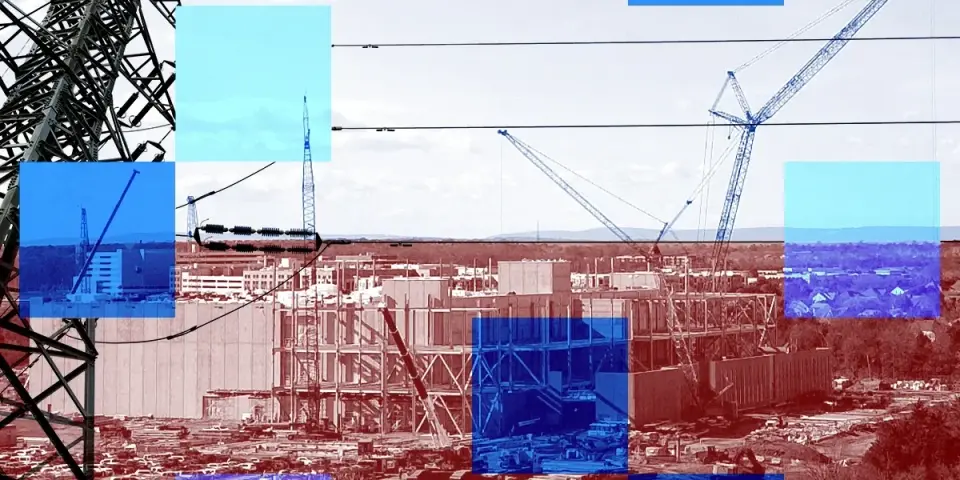
The Senate released a revised version of the Bipartisan Affordability and American Jobs Act, a 417-page permitting reform bill, on Saturday. The 'manager’s amendment' modifies transmission rules, data center provisions, and environmental safeguards to address concerns from utilities, tribes, and environmentalists. While the text strengthens federal authority over transmission lines and clarifies cost allocation, it retains provisions that critics argue limit community oversight. The Senate is scheduled to vote on cloture on Monday, requiring 60 votes to advance the bill, which faces opposition from groups like the 106 Coalition and the Wilderness Society.
Key points
- The revised bill removes the requirement for simultaneous state and federal permitting applications, requiring developers to seek state approval for one year before invoking federal backstop authority.
- Transmission developers can now use the bill’s cost allocation formula for partial projects or without using federal siting authority, improving project economics.
- The amendment exempts vertically integrated utilities in the Southeast from mandatory joint planning for transmission and power plant expansion, a key concession to Republican concerns.
- New provisions allow agencies to revoke permits based on court orders and extend the baseline for 'disparate treatment' lawsuits to 10 years, addressing environmental legal concerns.
- The bill adds a federal Data Center Community Assistance Program and clarifies that behind-the-meter gas plants at data centers are exempt from certain grid requirements, though details on funding remain unspecified.
- Tribal organizations, including the 106 Coalition, continue to oppose the bill due to changes in the National Historic Preservation Act, while the Wilderness Society reaffirms its opposition to the rushed process.
Background
The Bipartisan Affordability and American Jobs Act was finalized in late September after months of negotiations, resolving disputes over wind power and data center costs. House Democrats, led by Jared Huffman, previously stalled passage until after the midterm elections to leverage a potential Democratic majority. The bill aims to streamline federal review for energy projects, including transmission lines and data centers, which have faced significant delays and cost concerns. Previous versions of the bill faced criticism from environmental groups over limited oversight and from utilities over mandatory planning requirements.
How outlets are covering it
Heatmap News provides a detailed breakdown of the technical changes in the manager’s amendment, highlighting concessions to utilities and environmentalists. The Washington Post argues that Democrats should not abandon the deal, emphasizing its economic benefits and the risk of losing momentum. VTDigger features an opinion piece urging Vermont senators to support the bill, citing potential reductions in electricity bills and emissions. The Verge highlights concerns from environmental advocates, such as the NRDC, who argue the bill sacrifices caution for speed and limits community oversight, particularly regarding data centers and fossil fuel projects. These perspectives reflect a divide between proponents who view the bill as a necessary compromise for energy affordability and opponents who fear reduced environmental protections.
Why it matters
The bill’s passage could significantly impact the U.S. energy grid by accelerating the construction of transmission lines and clean energy projects, potentially lowering electricity costs. However, it may also facilitate the expansion of fossil fuel infrastructure and limit public input on large-scale projects. The outcome of the Senate vote will determine whether the lame-duck Congress can achieve a major legislative milestone before the new session begins, with implications for energy policy and environmental regulation in the coming years.
What to watch
The Senate is scheduled to vote on a motion to invoke cloture on the permitting bill on Monday, requiring at least 60 votes to proceed. If passed, the bill will move to a final vote in the Senate before heading to the House, where it may face further resistance from Democrats seeking additional changes. The outcome of the vote will determine whether the bill advances to the House or stalls, with potential implications for energy policy and environmental regulation in the coming years.
- The Last-Minute Changes to the Senate Permitting Deal, Explained Heatmap News
- Opinion | Jeffries flirts with derailing long-overdue permitting reform The Washington Post
- Senate Plan to Fast-Track Energy Projects Headed for a Showdown Bloomberg.com
- Clear the grid backlog and lower Vermont’s power bills VTDigger
- Lame-duck Congress might actually do something: speed up energy projects The Verge
Want the full story? Read the original reporting
Read on Heatmap News