
Senate Republicans block Trump judicial picks to assert prerogatives before Democratic takeover
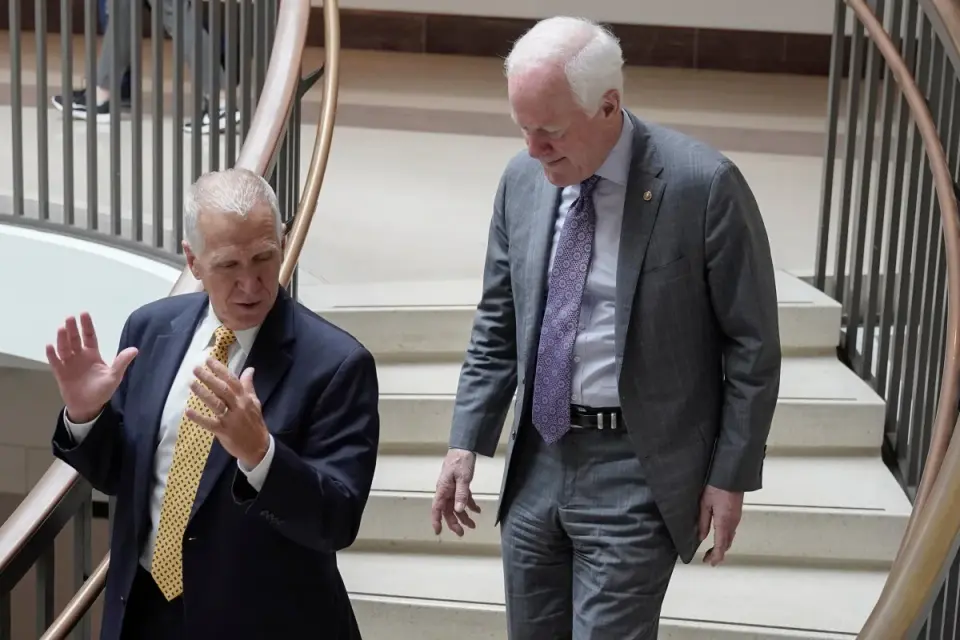
Republican senators are obstructing President Trump’s final judicial nominations to assert their institutional power before Democrats take control of the Senate in January. Key figures like John Cornyn and Thom Tillis are blocking picks for the 8th Circuit and district courts, forcing the White House to withdraw candidates. This internal GOP conflict highlights a race to fill lifetime appointments before the new Democratic majority can halt the process.
Key points
- Outgoing Senators John Cornyn and Thom Tillis are using their Judiciary Committee leverage to block Trump nominees, citing procedural concerns and lack of home-state support.
- The White House withdrew Lee Rudofsky’s nomination to the 8th Circuit Court of Appeals after Arkansas senators John Boozman and Tom Cotton opposed the pick.
- Cornyn objected to Elliot Gaiser’s fast-tracked nomination for a Dallas federal judgeship, noting Gaiser was not vetted by the traditional bipartisan committee and had ties to 2020 election challenges.
- Oklahoma’s appointed Senator Alan Armstrong reversed his support for district court nominee Zachary West, citing qualifications, though he is set to be replaced by Kevin Hern on November 30.
- Republicans are rushing to confirm 24 pending judicial nominees before the lame-duck session ends, as Democrats vow to block future Trump picks.
Background
This conflict occurs as Republicans attempt to maximize judicial appointments before the 2026 midterms, which resulted in a Democratic majority in both chambers. Previous coverage noted Trump’s strategy of appointing young judges to ensure long-term ideological influence, while recent debates focused on the potential for lame-duck Supreme Court confirmations. The current obstruction marks a shift from rapid confirmations to a fight over procedural norms and senatorial prerogatives.
Why it matters
The standoff illustrates the tension between executive ambition and senatorial independence. By blocking nominees, Republicans aim to preserve the traditional role of home-state senators in judicial selection, even as they race to fill vacancies before losing power. This dynamic may set precedents for how future administrations interact with the Senate on judicial appointments, particularly regarding the bypassing of standard vetting processes and home-state consent.
What to watch
The White House must decide whether to replace withdrawn nominees or accept the delays. With 24 nominations pending, the Senate Judiciary Committee will likely continue its aggressive timetable until the lame-duck session concludes. Democrats, now in control, are expected to block any remaining Trump nominees and may pursue reforms to the judicial appointment process.
Want the full story? Read the original reporting
Read on AP News