
25 States Challenge Trump’s Forced-Labor Tariffs as Unlawful Pretext
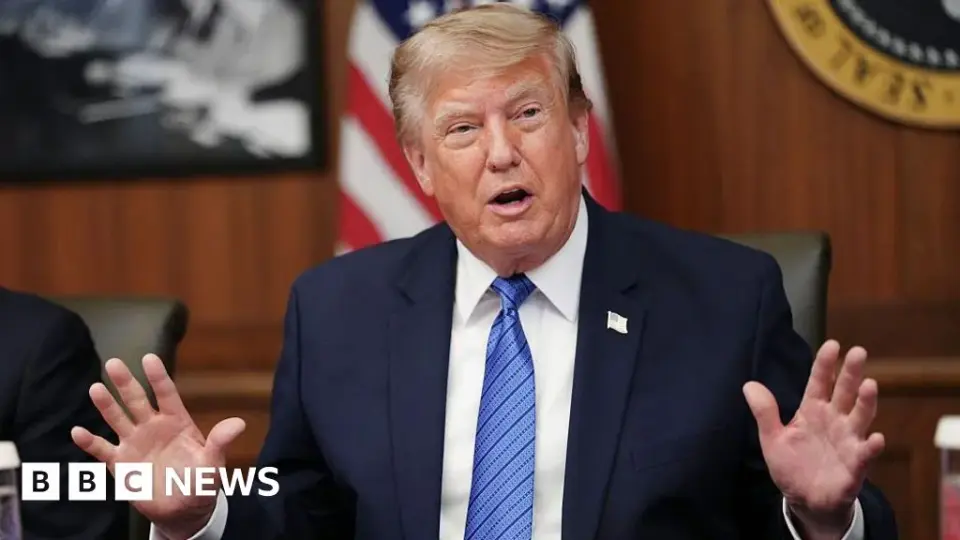
A coalition of 25 US states has sued the Trump administration in the US Court of International Trade, seeking to block new 10% to 12.5% tariffs on 60 trading partners. The states argue these levies, which cover 99.4% of US imports, are an unlawful pretext to re-impose duties previously struck down by the Supreme Court. While the White House defends the move as a lawful response to foreign forced-labor practices, critics contend the administration is using Section 301 of the Trade Act of 1974 to bypass judicial rulings and raise taxes on American consumers.
Key points
- The lawsuit, filed by 25 Democratic-led states plus governors of Kentucky and Pennsylvania, seeks to halt tariffs on 60 partners including the UK, China, and the EU, and demands refunds for duties already paid.
- The new tariffs, effective in July, were imposed under Section 301 of the 1974 Trade Act, which targets nations failing to address forced labor, following the expiration of temporary 10% tariffs.
- The Supreme Court previously ruled in February that the administration’s earlier 'liberation day' tariffs under the International Emergency Economic Powers Act were unconstitutional, prompting this new legal strategy.
- White House spokesman Kush Desai stated the US is using lawful authority to address 'unreasonable' foreign practices that burden American commerce, asserting Section 301 remains a durable legal tool.
- New York Attorney General Letitia James and Governor Kathy Hochul argued the forced-labor investigation does not meet Section 301 requirements, describing the tariffs as a tax on families that drives up costs for groceries and building materials.
Background
This litigation follows a series of trade disputes in 2026, including the opening of the Gordie Howe Bridge despite earlier tariff threats. The current legal challenge is the latest in a sequence of attempts by the administration to maintain high import duties after judicial setbacks, reflecting ongoing tensions between federal trade policy and state-level economic interests.
How outlets are covering it
The BBC and Al Jazeera present the core facts of the lawsuit and the White House’s defense, emphasizing the legal basis in Section 301. The Guardian provides deeper context on the political motivations, highlighting that the states view the new tariffs as a direct attempt to circumvent the Supreme Court’s February ruling. While all sources agree on the tariff rates and the number of affected countries, The Guardian and Al Jazeera explicitly frame the action as a 'pretext' to replace illegal duties, a characterization the White House rejects as a lawful response to global forced labor. The BBC notes the broad scope of the tariffs but does not explicitly link them to the previous Supreme Court decision as directly as the other two outlets.
Why it matters
The outcome of this lawsuit could determine the legality of a major component of US trade policy affecting nearly all imports. If the courts rule in favor of the states, it would force a refund of significant duties and potentially limit the administration’s ability to impose broad tariffs under the guise of labor standards, impacting global supply chains and consumer prices.
What to watch
The US Court of International Trade will review the case, potentially issuing a ruling on the legality of the Section 301 tariffs. The administration may appeal any adverse ruling, while the states await a decision on whether to halt the tariffs and order refunds. The legal battle may also influence future trade negotiations with the 60 affected partners.
- US states sue to block tariffs impacting dozens of countries BBC
- US states sue Trump administration over new tariffs on 60 trading partners | Trump tariffs The Guardian
- Opinion | Trump appears to order the government to lie on behalf of tariffs The Washington Post
- Trump administration sued by 25 states over new tariffs on trading partners Al Jazeera
- New York joins lawsuit against Section 301 import tariffs NEWS10 ABC
Want the full story? Read the original reporting
Read on BBC