
Stephen Miller Assumes Chief of Staff Role Amid Democratic Condemnation
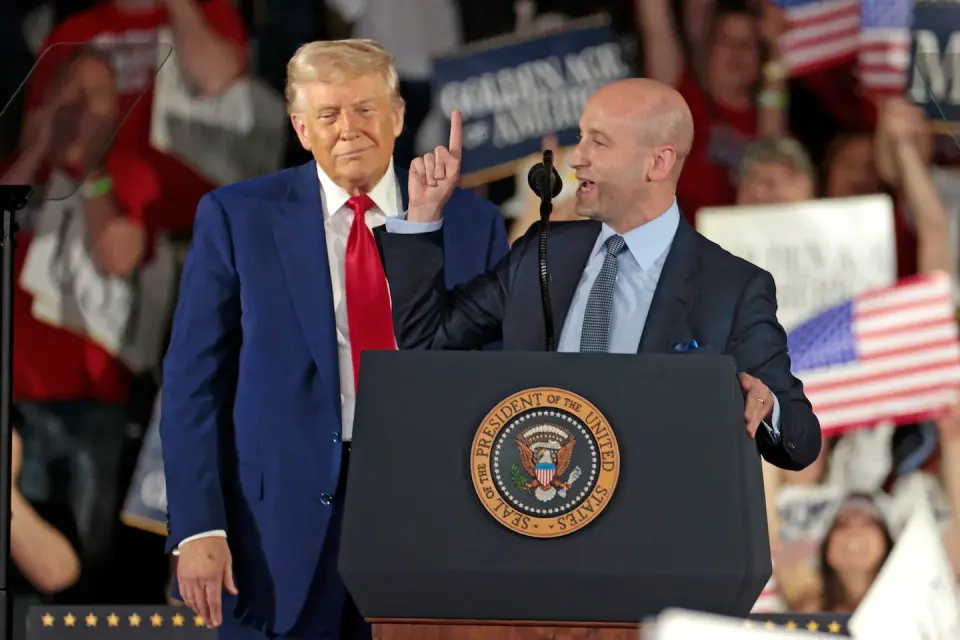
Stephen Miller began his tenure as White House chief of staff on Monday, replacing Susie Wiles. The appointment, announced by President Donald Trump, follows the Republican Party’s losses in the 2026 midterm elections and has triggered sharp criticism from Democrats who view the move as a signal of increased confrontation with the new Congress.
Key points
- Stephen Miller officially started as White House chief of staff on Monday, succeeding Susie Wiles.
- President Trump announced the change on Friday, describing Miller as one of his most trusted advisors.
- The appointment occurs after Republicans suffered historic losses in the 2026 midterm elections, resulting in Democratic control of both chambers of Congress.
- Top Democrats condemned the move, with House Minority Leader Hakeem Jeffries labeling Miller a dangerous extremist.
- Deputy Chief of Staff Richard Walters is leaving the administration as part of the transition.
Background
This leadership change follows a period of significant political turbulence for the administration. In early November 2026, Trump admitted that his deportation policies were too tough and contributed to Republican midterm losses, even as he promoted Miller, a key architect of those policies. Reports indicate that Katie Miller engaged in behind-the-scenes lobbying with administration insiders, including Treasury Secretary Scott Bessent, to secure the role. The transition also coincides with broader personnel shifts, including the departure of Richard Walters, and follows Trump’s earlier signals of potential firings in a 60 Minutes interview.
How outlets are covering it
Outlets diverge significantly in their framing of Miller’s appointment. The Washington Post and Axios focus on the procedural aspects of the transition and the immediate political fallout, noting the strong condemnation from Democrats and the departure of Richard Walters. The New York Times offers a historical analysis, comparing Miller to Roy Cohn, the late lawyer who mentored Trump, suggesting that Trump has found a new figure dedicated to abrasive, no-holds-barred defiance of the establishment. Mother Jones takes a more critical stance, characterizing Miller as a 'wannabe mob boss' and linking his appointment to a broader strategy of 'mob-like cruelty' and white supremacism. While The Washington Post and Axios present the news as a standard political shift, The New York Times and Mother Jones interpret the move as a deliberate doubling down on divisive tactics despite electoral defeat.
Why it matters
The appointment signals a strategic shift toward confrontation rather than conciliation, despite the Republican Party’s loss of control in Congress. By replacing a managerial figure like Wiles with a hardline policy architect like Miller, the administration appears prepared to clash with the new Democratic majority. This move may intensify legislative battles over immigration and executive authority, potentially leading to increased investigations by Democrats and a more polarized political environment in the coming years.
What to watch
The administration is expected to face immediate scrutiny from the new Democratic Congress, which has vowed to launch investigations into the administration and its top officials. The transition may also trigger further personnel changes within the White House as the new chief of staff restructures his team. Observers will watch how Miller navigates the relationship with the Democratic-led Congress, particularly regarding immigration policy and executive orders, as the administration moves into a more adversarial phase of its second term.
- Stephen Miller starts job as chief of staff; GOP lawmaker calls new role a ‘mistake’ The Washington Post
- Opinion | Trump Has Found His New Roy Cohn in Stephen Miller The New York Times
- Video New reaction to White House shake-up as newly elected Democrats head to Washington ABC News - Breaking News, Latest News and Videos
- Scoop: First major White House departure as Miller takes charge Axios
- It’s Stephen Miller’s First Day as Wannabe Mob Boss Mother Jones
Want the full story? Read the original reporting
Read on The Washington Post