
Supreme Court blocks Trump administration from cutting $150M in UC research grants over DEI
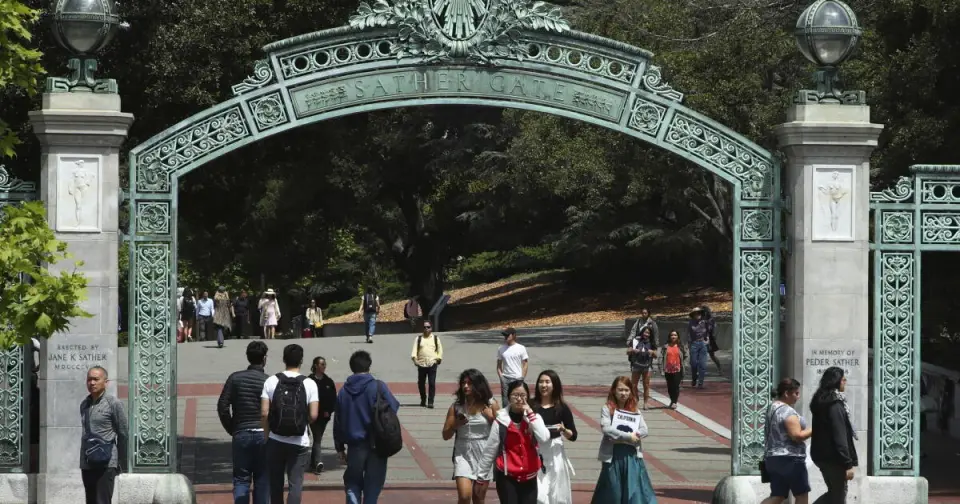
The Supreme Court declined to hear an appeal from the Trump administration, leaving intact a 9th Circuit Court ruling that blocking the cancellation of University of California research grants violates the First Amendment. The case involves approximately $150 million in federal funding from the National Science Foundation and National Endowment for Humanities, which the administration sought to terminate due to the researchers' focus on diversity, equity, and inclusion. By refusing to review the case, the justices preserved lower court rulings that require the government to continue funding these projects, marking a significant legal victory for the affected academics and a setback for the administration's broader campaign against DEI-related initiatives.
Key points
- The Supreme Court denied the Trump administration's appeal without comment or dissent, allowing the 9th Circuit Court's ruling to stand.
- The 9th Circuit Court ruled that terminating grants based on keywords like 'diversity' or 'climate change' violated the First Amendment by suppressing viewpoints.
- The case involves approximately $150 million in research grants from the National Science Foundation and National Endowment for Humanities awarded to University of California professors.
- The administration argued that it has broad discretion to determine which projects receive taxpayer funding and that the First Amendment does not prohibit declining to fund DEI-related research.
- The denial also tacitly endorsed the lower courts' decision to allow these disputes to proceed in federal district courts rather than the specialized Court of Federal Claims, enabling faster and more coercive relief for the researchers.
Background
This case is part of a larger nationwide fight over government grants, with billions of dollars in funding for other entities also caught up in litigation. The Trump administration issued executive orders in January 2025 directing agencies to end funding for programs it deemed inconsistent with its opposition to DEI, climate change, and transgender rights. Several agencies sent form letters to professors terminating their grants based on keywords in their proposals. The UC professors filed a class-action suit challenging the terminations, citing constitutional claims including due process and First Amendment violations. The Supreme Court had previously narrowed claims in other cases involving health and education grants, stating that claims for canceled grants must go to the Court of Federal Claims, but the 9th Circuit limited the UC case to a First Amendment claim.
How outlets are covering it
The Los Angeles Times, NBC News, CNN, and Politico all report that the Supreme Court declined to hear the appeal, leaving the 9th Circuit Court's ruling intact. The outlets agree that the case involves approximately $150 million in research grants and that the 9th Circuit ruled the terminations violated the First Amendment. However, they differ in their emphasis: the Los Angeles Times highlights the broader implications for billions of dollars in government grants and the administration's argument that the First Amendment does not prohibit declining to fund DEI-related research. NBC News focuses on the keyword searches used to identify grants for termination and the fact that some funding has since resumed. CNN emphasizes the significance of the denial in tacitly endorsing the lower courts' decision to allow disputes to proceed in federal district courts rather than the Court of Federal Claims, which enables faster and more coercive relief. Politico notes that the administration argued it has broad discretion to determine which projects receive taxpayer funding, but the justices offered no explanation for declining review.
Why it matters
The Supreme Court's decision sets a precedent for how the government can use its power to fund or defund research projects without violating the First Amendment. It could have significant implications for other cases involving billions of dollars in government grants and the administration's broader campaign against DEI-related initiatives. The ruling also highlights the importance of the distinction between federal district courts and the Court of Federal Claims in determining the speed and scope of relief available to researchers whose grants have been terminated.
What to watch
The case will now proceed in federal district courts, where the researchers can seek to recoup lost funding. The administration may continue to challenge other grants in similar cases, but the Supreme Court's decision could limit its ability to do so. The outcome of this case could also influence how other government agencies approach funding decisions related to DEI and other controversial topics.
- Supreme Court turns down Trump’s plan to cut off UC research grants that promote DEI Los Angeles Times
- Supreme Court rejects Trump over academic funding cuts related to DEI NBC News
- Supreme Court declines Trump push to cut research grants related to DEI CNN
- Supreme Court rejects Trump bid to revive UC research grant cuts Politico
- Supreme Court declines Trump administration’s DEI research grant appeal The Hill
Want the full story? Read the original reporting
Read on Los Angeles Times