
Supreme Court Declines to Hear NLRB Firing Case, Cementing Executive Authority
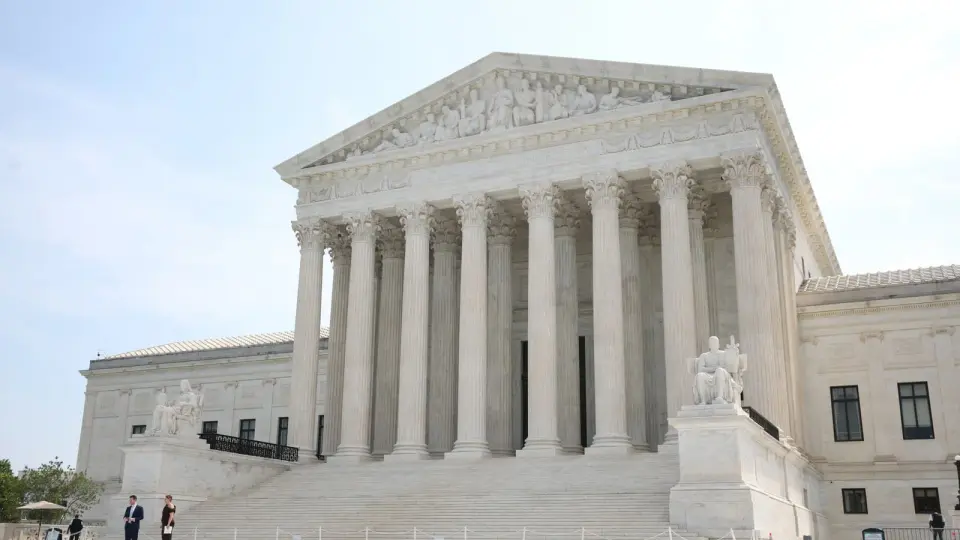
The U.S. Supreme Court has declined to review a challenge to President Donald Trump’s firing of National Labor Relations Board member Gwynne Wilcox. This decision validates the lower court’s ruling that the removal was a valid exercise of executive authority, effectively ending Wilcox’s legal battle. The move aligns with the Court’s earlier June decision regarding Federal Trade Commission member Rebecca Slaughter, which overturned the 1935 Humphrey’s Executor precedent. By refusing to hear the case, the justices have further consolidated presidential power over independent regulatory agencies, allowing the administration to remove officials appointed by previous administrations without cause.
Key points
- The Supreme Court refused to hear Gwynne Wilcox’s appeal regarding her January 2025 firing by President Trump.
- The D.C. Circuit Court of Appeals previously ruled 2-1 that the firing was legal, reversing a district court decision that upheld protections for NLRB members.
- This decision follows the Court’s June ruling in the case of FTC member Rebecca Slaughter, which overturned the 1935 Humphrey’s Executor precedent.
- Wilcox, the first Black woman to serve on the NLRB, was appointed by President Biden in 2023 for a second term.
- The ruling reinforces the administration’s ability to remove officials from independent agencies, despite congressional laws designed to protect them from at-will dismissal.
Background
This development continues a broader trend of the Trump administration challenging the independence of federal regulatory bodies. In October 2026, the White House formed a panel to investigate Federal Reserve Governor Lisa Cook, though the Supreme Court previously blocked an initial attempt to fire her, citing due process violations. This contrasts with the current NLRB and FTC rulings, where the Court has sided with the executive branch. Earlier in 2026, the Court also agreed to review mandatory detention policies, indicating a complex landscape of judicial review regarding executive power versus statutory protections.
How outlets are covering it
CNBC reports the Supreme Court’s refusal to hear the case as a direct validation of the lower court’s ruling, emphasizing the legal precedent set by the June decision in the Slaughter case. The New Republic frames this as a significant expansion of presidential power over independent agencies, noting that while the Court has enabled firings at the NLRB and FTC, it has drawn a line with Federal Reserve Governor Lisa Cook. The outlet highlights the contrast between the legal protections for some agency members and the administration’s efforts to assert total control, including smear campaigns against those who remain. Yahoo’s source appears to be a technical error page and provides no substantive content for comparison, so its perspective cannot be synthesized. The primary difference in emphasis is between the legal procedural outcome (CNBC) and the broader political implications for agency independence (The New Republic).
Why it matters
This decision solidifies the legal precedent that presidents can remove members of independent regulatory agencies without cause, undermining the structural protections Congress established to ensure bipartisan governance. It allows the executive branch to install loyalists in key positions and purge career officials, potentially affecting policy consistency in areas like labor relations and consumer protection. The ruling also sets a precedent for future challenges to the independence of other federal bodies, though exceptions like the Federal Reserve case suggest the limits are not absolute.
What to watch
The immediate effect is that Gwynne Wilcox’s removal from the NLRB is final. The administration may proceed with similar actions against other agency members, though the Lisa Cook case indicates that some protections remain for specific bodies like the Federal Reserve. Future legal challenges may focus on the specific criteria for 'cause' or the scope of executive authority, but the current precedent strongly favors the president’s power to remove officials from agencies like the NLRB and FTC.
- Supreme Court won't review Trump's firing of labor board member CNBC
- Supreme Court Rebuffs Ousted NLRB Member in Win for Trump Bloomberg.com
- Supreme Court Gives Trump More Power Over Independent Agencies The New Republic
- SCOTUS turns away Trump-fired board member who claimed to have judge-like 'protections' for 'unpopular decisions' Yahoo
- Top US Court Rejects Fired NLRB Member’s Challenge to Removal Bloomberg Law News
Want the full story? Read the original reporting
Read on CNBC