
Supreme Court Halts New Hampshire Student ID Ban Reversal Ahead of Midterms
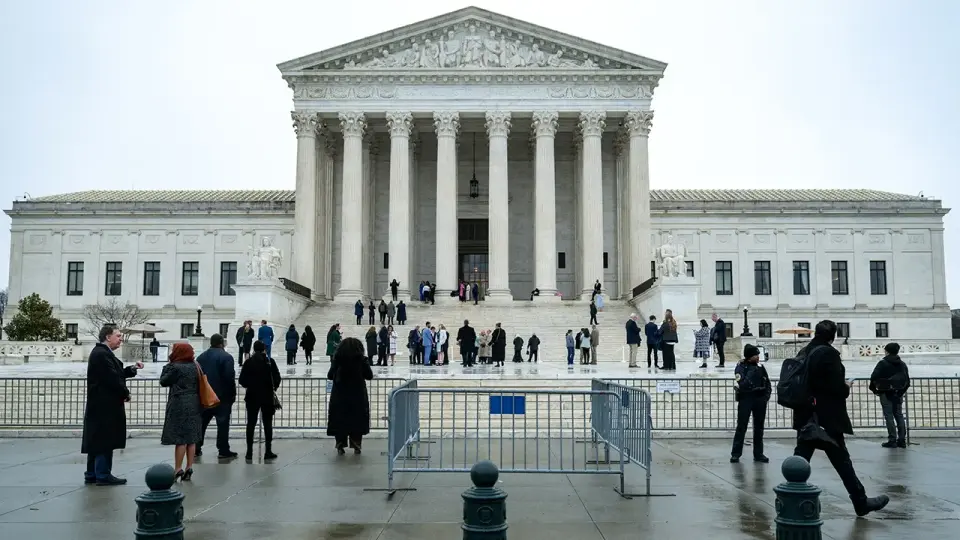
The U.S. Supreme Court issued an emergency stay on October 22, 2026, allowing New Hampshire to fully enforce a ban on student IDs as valid identification for voting in the upcoming midterm elections. The high court reversed a lower federal court’s preliminary injunction that had permitted student IDs as backup evidence, citing the Purcell Principle against changing election rules close to Election Day. Justice Ketanji Brown Jackson was the only justice to dissent, arguing the lower court merely corrected misinformation. The decision impacts a closely contested U.S. Senate race in New Hampshire, where control of the chamber is at stake. The ruling is not a final judgment on the merits, and litigation continues.
Key points
- The Supreme Court granted a Republican-backed emergency appeal, blocking the use of student IDs as a backup method for verifying voter identity in New Hampshire.
- The court relied on the Purcell Principle, which discourages federal courts from altering voting rules too close to an election to avoid voter confusion.
- Justice Ketanji Brown Jackson dissented, stating the lower court’s order prevented public confusion by ensuring accurate information about state election rules.
- New Hampshire’s HB 323, signed by Gov. Kelly Ayotte in April, removed student IDs from the list of expressly valid identification for obtaining ballots.
- The decision impacts a closely contested U.S. Senate race in New Hampshire, where Republicans aim to flip the seat held by retiring Democrat Jeanne Shaheen.
- The Supreme Court’s order is a stay, not a final ruling on the merits; the underlying litigation over the law remains ongoing.
Background
New Hampshire passed HB 323 in April 2026, removing student IDs from the list of expressly valid identification for obtaining ballots. The law took effect June 2, and Secretary of State David Scanlan issued guidance barring student IDs as a backup method. A federal judge in early October blocked this guidance, allowing student IDs as backup evidence. The Supreme Court’s decision reverses this lower court order, reinstating the state’s ban ahead of the November 3 midterm elections. This follows a broader national trend of states tightening voter identification requirements, with several states banning student IDs for voting.
How outlets are covering it
Fox News and AP News emphasize the Supreme Court’s reliance on the Purcell Principle and the Republican-backed emergency appeal, framing the decision as a victory for election integrity and preventing last-minute changes. Yahoo highlights the partisan implications, noting the Republican National Committee’s support and the impact on the closely contested New Hampshire Senate race. InDepthNH.org focuses on the legal process, noting the Supreme Court’s stay of the lower court’s injunction and the ongoing litigation. Justice Ketanji Brown Jackson’s dissent, reported by all sources, argues the lower court merely corrected misinformation, not changed rules. The Coalition for Open Democracy, which challenged the law, called the Supreme Court’s decision 'wrong' and argued it deprives young voters of their right to vote.
Why it matters
The decision affects a closely contested U.S. Senate race in New Hampshire, where control of the chamber is at stake. It sets a precedent for the application of the Purcell Principle in voter ID cases, potentially influencing similar challenges in other states. The ruling also highlights tensions between federal courts and state election officials over the interpretation of voter identification laws, with implications for future midterm and general elections.
What to watch
The underlying litigation over HB 323 remains ongoing, with the case Scanlan v. Coalition for Open Democracy expected to proceed in federal court. New Hampshire election officials will enforce the ban on student IDs as valid identification for the November 3 midterm elections. The decision may influence similar voter ID challenges in other states, particularly those with closely contested races. Justice Ketanji Brown Jackson’s dissent may be cited in future cases involving the Purcell Principle and voter identification requirements.
- Supreme Court blocks use of student IDs as voter identification in New Hampshire Fox News
- Supreme Court allows New Hampshire to fully ban student IDs for voting in midterms AP News
- Supreme Court sides with GOP in New Hampshire student ID voting fight Yahoo
- U.S. Supreme Court Reinstates NH’s Law Against Using Student IDs To Register To Vote or Get a Ballot Nov. 3 InDepthNH.org
- Supreme Court Allows Blanket Ban on Student IDs at Polls in New Hampshire The New York Times
Want the full story? Read the original reporting
Read on Fox News