
Supreme Court Opens 2026 Term Amid Record-Low Approval and High-Stakes Docket
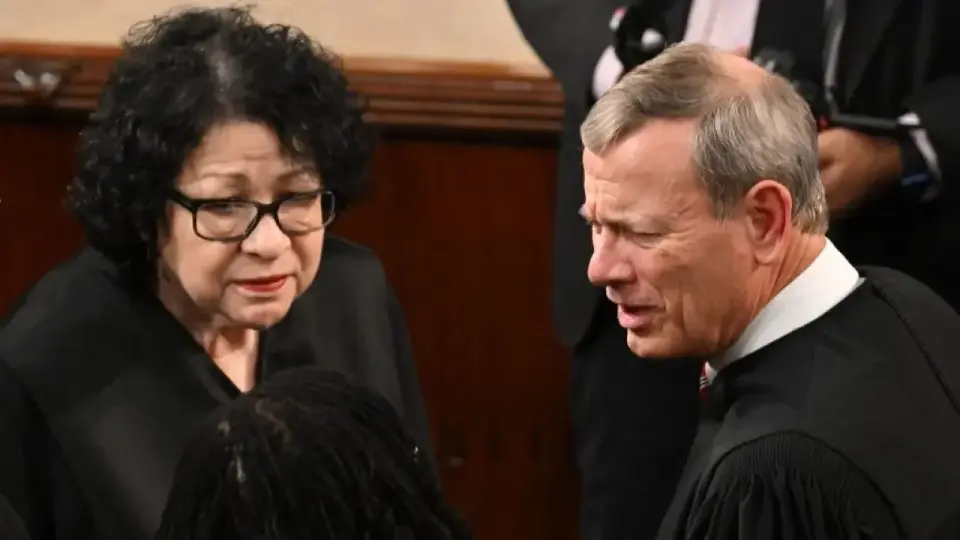
The U.S. Supreme Court begins its 2026-2027 term on October 5 with a docket dominated by disputes over climate liability, gun rights, and voting rules. The session opens amid a historic drop in public approval, with polls showing record-low support and rising concerns about judicial impartiality. Chief Justice John Roberts faces pressure to maintain institutional neutrality while the court navigates challenges to President Trump’s executive actions, including immigration policies and federal bureaucracy reforms. The term also features heightened security concerns for justices, with federal judges reporting increased threats and budget shortfalls compromising physical safety.
Key points
- The court’s first case, Suncor Energy v. Boulder County, tests whether federal law preempts state lawsuits against oil and gas companies for climate change harms. Justice Samuel Alito recused himself from this case, citing financial interests in energy companies, though he did not specify the reason in his letter to lawyers.
- High-profile arguments are scheduled for gun rights cases involving state bans on AR-15 style semi-automatic rifles in Connecticut and Cook County, Illinois, as well as voting rights disputes over Arizona’s proof-of-citizenship requirement for voter registration.
- Public approval for the Supreme Court has fallen to a record low of 33% according to Gallup, with 61% disapproval. A Fox News survey found 38% approval and 45% of respondents viewing the court as too conservative, up from 34% in 2022.
- President Trump criticized his own appointees, Justices Neil Gorsuch, Brett Kavanaugh, and Amy Coney Barrett, after a ruling against the administration on mail-in voting, calling them 'a shell of their original selves.' Democrats have proposed reforms including 18-year term limits and expanding the bench to 13 justices.
- Security threats against federal judges have risen 31% year-over-year, with 370 threats reported as of July 1. Justice Elena Kagan warned that political intimidation crosses a line, while Justice Amy Coney Barrett reported wearing a bulletproof vest and facing a swatting incident at her home.
Background
The 2026-2027 term follows a summer of emergency rulings on mail-in voting and citizenship requirements, which set the stage for current disputes. Earlier coverage noted that the docket centers on federalism, climate liability, and religious exemptions, reflecting ongoing tensions between state and federal powers. The current term continues the pattern of mixed rulings on President Trump’s agenda, with the conservative majority generally supporting executive power but occasionally blocking specific initiatives, such as sweeping tariffs and birthright citizenship restrictions.
How outlets are covering it
Fox News emphasizes the political polarization surrounding the court, highlighting Trump’s public attacks on his appointees and Democratic calls for structural reforms, framing the term as a battle over judicial legitimacy. CBS News focuses on the substantive legal issues, detailing the technical questions in the climate case and the constitutional arguments in gun rights and voting rights disputes, while noting Justice Alito’s recusal. Both outlets agree on the record-low approval ratings but differ in emphasis: Fox News stresses the partisan attacks and security threats, while CBS News provides a more neutral breakdown of the legal merits and upcoming arguments.
Why it matters
The Supreme Court’s rulings in this term will shape the legal landscape for climate liability, gun rights, and voting access, with potential implications for millions of Americans. The record-low approval ratings and heightened security threats signal a deepening crisis of confidence in the judiciary, which could influence future legislative efforts to reform the court. The outcome of the climate case, in particular, could set a precedent for state-level environmental litigation against fossil fuel companies, with significant economic and environmental consequences.
What to watch
The court will hear arguments in the religious liberty case St. Mary Catholic Parish v. Roy on November 3, followed by gun rights cases on December 2 and voting rights cases on December 8. The term will also feature challenges to Trump’s immigration policies, including third-country deportations and mandatory detention without bond. The court’s decisions in these cases will likely influence the political dynamics of the November midterm elections and future legislative efforts to reform the judiciary.
- Supreme Court kicks off new term with fresh questions over its legitimacy and its future foxnews.com
- The Supreme Court faces another term jam-packed with controversy NPR
- The Supreme Court’s Summer Break Vanishes, Erased by Emergencies The New York Times
- New term gives US Supreme Court's Thomas and Alito more chances to wield power Reuters
- Supreme Court gears up for new term with major cases on climate change, immigration and guns CBS News
Want the full story? Read the original reporting
Read on foxnews.com