
Supreme Court Opens Term with Climate, Gun, and Religious Liberty Showdowns
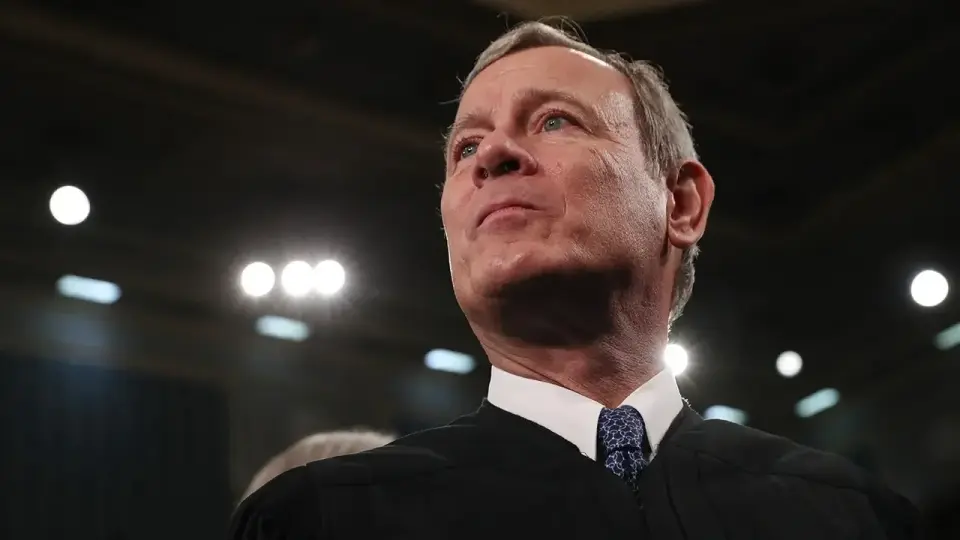
The Supreme Court began its 2026-2027 term on October 5, 2026, with a docket of approximately 60 cases focusing on climate liability, gun control, and religious freedom. The lead case, Suncor Energy v. Boulder County, tests whether states can sue oil companies for climate damages under federal law. Other key cases include challenges to AR-15 bans in Illinois and Connecticut, a dispute over Catholic preschool funding in Colorado, and immigration policies involving third-country deportations. The term begins amid record-low public approval ratings and heightened political tensions ahead of the midterm elections.
Key points
- The Supreme Court opened its new term on October 5, 2026, with oral arguments in Suncor Energy v. Boulder County, the first case of the session.
- Suncor Energy v. Boulder County tests whether Colorado can sue oil giants Suncor and ExxonMobil for climate-related harms, with the companies arguing the Clean Air Act preempts state claims.
- The court will hear cases in December regarding state bans on AR-15 style rifles in Illinois and Connecticut, applying the 'common use' standard from the Bruen decision.
- St. Mary Catholic Parish v. Roy challenges Colorado's requirement that private preschools follow anti-discrimination rules regarding sexual orientation and gender identity to receive state funding.
- The court is reviewing the Trump administration's policy of deporting immigrants to third countries and indefinitely detaining those who crossed the border illegally years ago.
- Public approval of the Supreme Court has dropped to 43%, with 57% of Americans believing justices are motivated by politics rather than law, according to a Marquette Law School poll.
Background
The 2026-2027 term follows a previous session dominated by challenges to presidential power, including tariffs and birthright citizenship. The current docket shifts focus to federalism and individual rights, with a significant number of cases involving state versus federal authority. The term begins amid heightened security concerns for justices and a record-low public approval rating, with polls showing a decline in support for the court's impartiality. The court has already issued several emergency orders this summer regarding election-related disputes, including blocking changes to mail-in voting and congressional maps, to maintain stability before the November midterms.
How outlets are covering it
Fox News emphasizes the 'climate lawfare' aspect of the Suncor case and frames the religious liberty cases as protecting traditional values, citing JCN president Carrie Severino. The New York Times highlights the political tension between the court and the Trump administration, noting the court's recent emergency orders to block election-related changes and the president's criticism of justices he nominated. The Washington Post focuses on the broader constitutional issues, including a potential Texas Ten Commandments case, and notes the court's poor polling numbers. AP News provides a neutral overview of the key cases, including immigration and Second Amendment issues, without emphasizing the political conflict. The outlets agree on the core cases but differ in their framing of the court's role in the current political landscape, with Fox News and the New York Times highlighting the partisan tensions, while AP News and The Washington Post focus more on the legal and constitutional implications.
Why it matters
The outcomes of these cases will significantly impact climate policy, gun rights, religious freedom, and immigration enforcement across the United States. The Suncor case could set a precedent for state liability in climate-related lawsuits, while the gun cases will determine the scope of Second Amendment protections for specific firearms. The religious liberty cases could affect anti-discrimination laws and funding for private institutions. The immigration cases will shape the administration's enforcement policies. Given the record-low public approval and the proximity to the midterm elections, the court's decisions could further polarize the public and influence the political landscape, with potential implications for the balance of power between state and federal governments.
What to watch
The Supreme Court will continue hearing oral arguments through late April 2027, with the most closely divided decisions typically announced in late June or early July. The court will likely issue emergency orders in response to post-election disputes, potentially involving vote counts and certification. The outcomes of the Suncor, gun, and religious liberty cases will be closely watched for their precedential value and potential impact on future legislation and policy. The court may also take up additional cases involving Trump administration policies, including the transgender troop ban and U.S. attorney appointments, as the term progresses.
- Catholic schools, banned rifles and ‘climate lawfare’: Blockbuster fights await Supreme Court Fox News
- How the Midterms Could Complicate the Supreme Court’s New Term nytimes.com
- 6 things to watch in the Supreme Court’s new term The Washington Post
- As election looms, Supreme Court reconvenes to new wave of Trump cases ABC News - Breaking News, Latest News and Videos
- A new Supreme Court term begins with cases on climate change, immigration and gun rights AP News
Want the full story? Read the original reporting
Read on Fox News