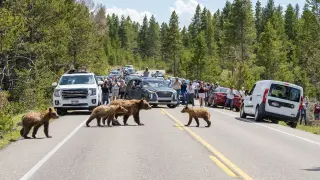
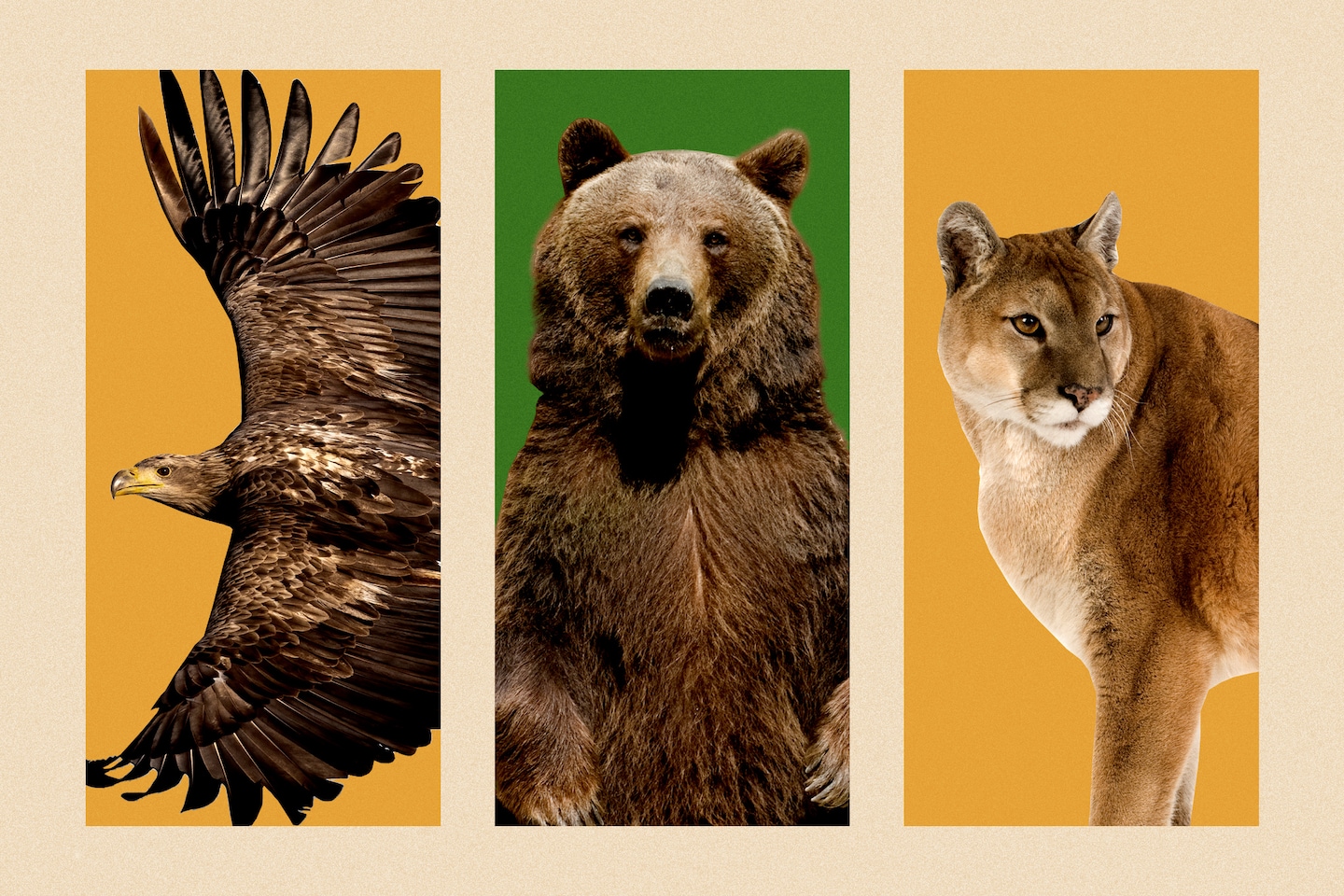
Scientists in the U.S. and Canada are using high-resolution GPS tracking and virtual simulations to understand how grizzly bears navigate fragmented landscapes. Research reveals that while bears possess strong food memories, they struggle with highway barriers, leading to fatal collisions. Conservation efforts focus on creating connected corridors and managing human recreation to reduce conflict in the Yellowstone-to-Yukon region.
A new study published in the journal Science indicates that Manx shearwaters experience a form of jet lag when returning from long foraging trips across the North Atlantic. Researchers at the University of Oxford analyzed two decades of GPS data to track the movements of these seabirds, which mate for life and take turns incubating a single egg. While one partner incubates, the other travels hundreds of miles to hunt for fish and squid, often returning to the colony within a day. The study found that these birds use the sun as a compass, requiring an accurate internal clock to determine the time of day and navigate correctly. When the birds rushed back to their nests, they exhibited a slight navigational error, veering up to seven degrees off course. This deviation, caused by their internal clocks falling out of sync with the sun's position, resulted in a maximum displacement of about three miles over a 600-mile journey. The findings suggest that these birds experience a mild version of jet lag, similar to humans, though the impact on their overall journey is minimal.
The U.S. Supreme Court declined to hear a case challenging mandatory GPS trackers on Maine lobster boats, upholding a lower court ruling that the devices do not violate the Fourth Amendment. Frank Thompson, a fifth-generation lobsterman, vows to continue fighting the mandate, which critics argue constitutes warrantless surveillance.
Kent Kubasta, a 72-year-old Ohio man, pleaded no contest to illegally tracking a Pokémon card delivery driver using a GPS device. He received 12 months of probation, a $500 fine, and mandatory electronic monitoring. The case highlights extreme measures taken by collectors to secure high-demand cards during the franchise's 30th anniversary.
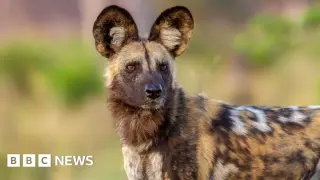
A pack of three male African wild dogs completed a record-breaking 2,485-mile journey across Zambia in search of a mate, marking the longest dispersal recorded for any African land mammal. While the males successfully navigated human-dominated landscapes to reach a new territory, a female group in the same study died in illegal snares. The findings suggest wild dog populations in southern Africa remain more connected than previously believed, though they face significant threats from poaching and habitat fragmentation.
A Florida wildlife program is deploying GPS-collared opossums to track and remove large Burmese pythons. When a python consumes a collared opossum, the tracker continues transmitting from inside the snake, allowing researchers to locate and capture the predator. This method, which began as an accidental discovery in 2022, has resulted in the removal of 18 pythons over eight feet long by April 2026. The approach targets large females capable of laying up to 100 eggs, though it raises ethical concerns about placing native animals in harm's way.
Australian researchers attempted to track five magpies on Queensland’s Sunshine Coast using 2.7-gram GPS harnesses, but the birds removed the devices within minutes. Untagged flockmates actively helped tagged birds detach the equipment, revealing unexpected cooperative behavior. The pilot study, published in 2022, failed to collect movement data but provided insights into social problem-solving. The harnesses featured a deliberate weak point for safe release, which the birds exploited. This incident highlights how social species can disrupt tracking methods designed for solitary subjects.
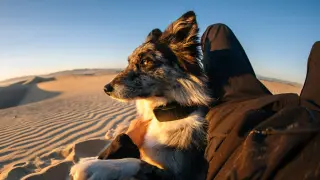
Fi unveils the Fi Ultra GPS collar, the first dog tracker to combine GPS with a cellular modem and Starlink satellite connectivity, so owners can see real‑time location data via an app even where cellular coverage is absent. When out of range, the device uses Starlink direct‑to‑mobile to relay a dog’s position, with geofencing alerts, and it can emit vibrations or sounds to coax the pet home, all powered by a multi‑day battery.
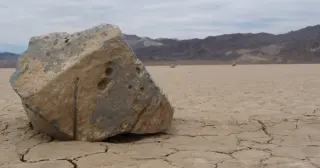
Scientists confirmed how the famous sailing stones at Racetrack Playa move: during a rare winter, a shallow pond freezes into a 3–6 mm ice sheet that cracks into panels; a light breeze pushes these panels, sliding heavy rocks across the mud at a walking pace. The 2013–2014 study installed a weather station, time-lapse cameras, and GPS loggers, capturing major moves (one rock ≈65 m in 16 minutes; total trails up to 224 m) and showing that movement is episodic and dependent on precise conditions, while older theories of hurricane winds or thick ice are unlikely. The finding explains many trails, though not all on the playa, and highlights how subtle forces can shape dramatic landscapes.
Greenland is gradually shifting northwest and changing shape due to ice accumulation, melting, and geological forces, which could impact navigation and understanding of climate change effects. Researchers used 20 years of GPS data to analyze these movements, revealing complex interactions between tectonics, glacial rebound, and ice melt, with implications for future modeling and navigation in the region.
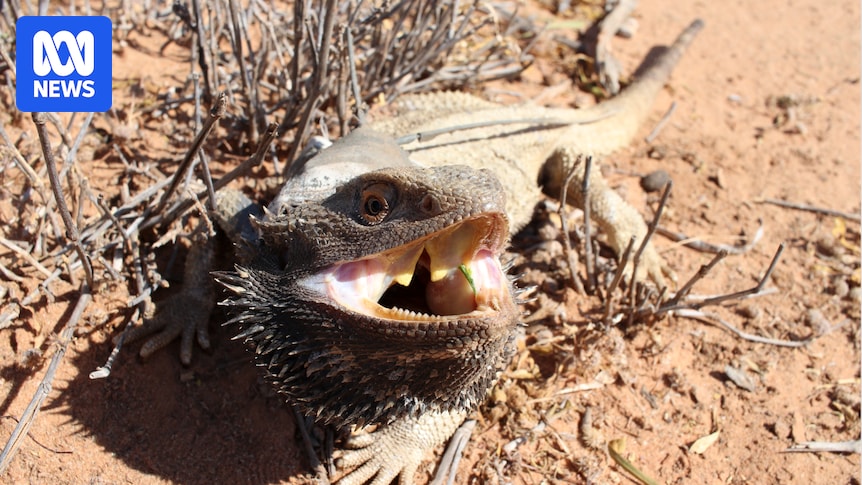
A PhD study tracked Australian bearded dragons with tiny backpacks containing GPS and sensors, revealing that faster lizards were more likely to die young, contrary to expectations. The research highlights complex survival strategies and the challenges of tracking small animals in the wild.
The Apple Watch Series 9 disappoints by not including dual-frequency GPS, a feature that would provide more accurate location tracking. While many fitness brands have already incorporated this technology into their watches, the Series 9 only offers GPS-only tracking, which can be unreliable and result in diverging mileage. The addition of dual-frequency GPS would not only improve accuracy but also put pressure on other smartwatch makers to follow suit. Location accuracy should be the norm rather than a niche tool in mainstream smartwatches.
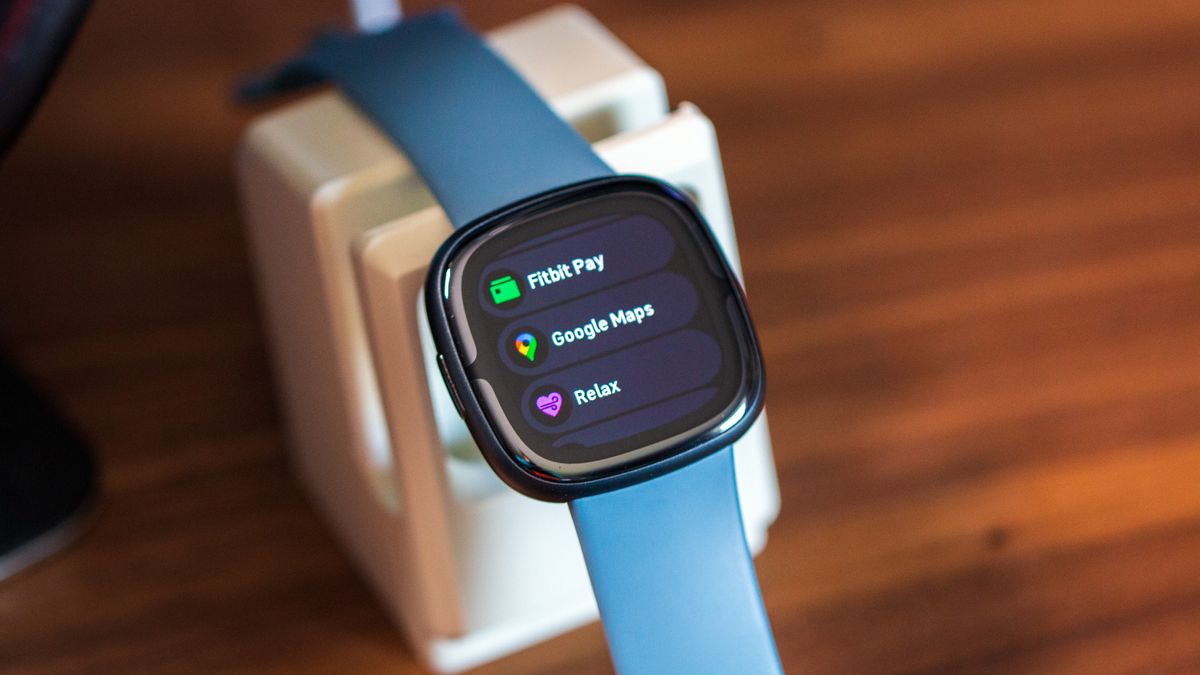
Fitbit's latest update for the Sense 2 and Versa 4 introduces a new "dynamic GPS" feature that uses a user's phone to track movements instead of the smartwatch's built-in sensors, helping to preserve battery life. The update also includes additional features such as daily readiness scores and menstrual cycle tile information, new watch faces, and bug fixes and improvements.
A study of GPS tracking data on land animals during Covid-19 closures showed they roamed farther and appeared more relaxed without humans around to bother them. The study involved 175 wildlife researchers and tracked 2,300 terrestrial mammals, including bears, deer, elephants, and giraffes. The research suggests that even small changes in human behavior could be quite beneficial for wildlife. The anthropause allowed ecologists to show how perceptive other creatures are to the presence of humans and how quickly they can alter their behavior when we aren’t bothering them.
The anonymous client who hired a detective to track Reno's mayor with a GPS device is arguing in Nevada's Supreme Court that he has a First Amendment right to remain anonymous. The client's lawyers argue that the First Amendment protects anonymous political activity and that the use of private investigators to investigate elected officials is just politics as usual. The client is seeking to overturn a Washoe County judge's order that he name the person who hired him to keep tabs on Reno Mayor Hillary Schieve and a county commissioner before the November election.