
Supreme Court resumes term with climate, gun, and immigration cases
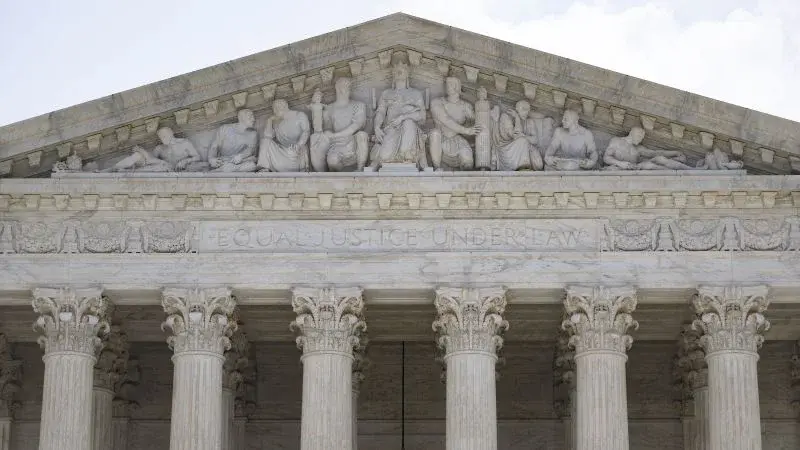
The Supreme Court begins its new term on October 5, 2026, with a landmark climate change case involving fossil fuel liability. The docket includes major challenges to AR-15 bans, religious school funding, and Trump administration immigration policies. While the court avoided some high-profile Trump cases last term, new disputes over detention and third-country deportations are now pending. Election-related litigation may also surge following the November midterms.
Key points
- The court will hear arguments on October 5 regarding whether local governments can sue fossil fuel companies for climate damages, a case involving Boulder, Colorado, and ExxonMobil.
- Justice Samuel Alito has recused himself from the climate case due to stock holdings in energy companies, potentially leading to a 4-4 split that upholds lower court rulings without setting precedent.
- In December, the court will decide if bans on AR-15 rifles in Connecticut and Cook County, Illinois, violate the Second Amendment, building on the 2008 District of Columbia v. Heller decision.
- The court will rule on whether Catholic preschools in Colorado can exclude children of same-sex couples while receiving taxpayer funding, testing the limits of religious exemptions.
- Immigration cases will address mandatory detention without bond hearings and the deportation of migrants to third countries, following a rise in ICE detention numbers to over 65,000.
- The court may face a surge in emergency applications related to the November midterm elections, including disputes over mail-in ballots and redistricting.
Background
The previous term was defined by intense confrontation between President Trump and the Supreme Court, including rulings on tariffs, birthright citizenship, and the firing of independent agency officials. Although the court sided with Trump on some issues, it rejected others, leading to public criticism from the president. The current term begins with a reduced docket of 28 granted cases, but experts expect more to be added as the year progresses.
How outlets are covering it
CNN emphasizes the absence of major Trump-driven separation-of-powers cases compared to the previous term, noting a temporary détente between the White House and the court. The New York Times highlights the erosion of the court's traditional summer recess due to the volume of emergency applications. USA Today focuses on the potential for the court to expand gun and religious rights, while also noting the likelihood of election-related litigation. Legal experts cited across outlets generally predict conservative outcomes in the AR-15 and religious school cases, though the climate case remains uncertain due to Alito's recusal.
Why it matters
The outcomes of these cases will significantly impact federal-state relations, environmental liability, gun rights, and immigration enforcement. The climate case could set a precedent for state regulation of national issues, while the immigration rulings will determine the scope of the administration's detention and deportation powers. Election-related decisions may influence the integrity of the November midterms and future redistricting efforts.
What to watch
The court will hear the climate case on October 5, followed by the AR-15 ban arguments in December. Immigration cases are expected to be argued in the coming months. The court may also address Ten Commandments displays in public schools and prediction market regulations. Election-related emergency applications are anticipated to increase as the November midterms approach.
- Supreme Court heads into new term with one eye on President Trump CNN
- The Supreme Court faces another term jam-packed with controversy NPR
- Supreme Court opens new term with shaky Trump relationship The Hill
- The Supreme Court’s Summer Break Vanishes, Erased by Emergencies The New York Times
- Trump. Climate. AR-15s. The Supreme Court is about to go back to work USA Today
Want the full story? Read the original reporting
Read on CNN