
Supreme Court to Rule on 1868 Ban on Home Distilling
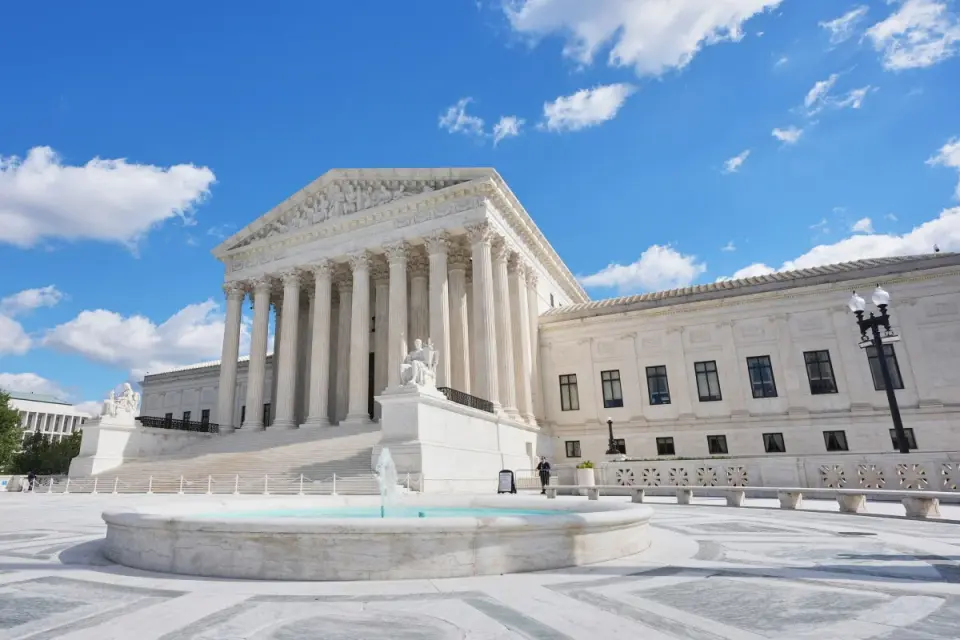
The U.S. Supreme Court has agreed to hear a case challenging the constitutionality of an 1868 federal law that prohibits distilling spirits in private homes. The ruling will determine if Congress exceeded its taxing powers by banning home production, with arguments scheduled for early 2027 and a decision expected by late June 2027.
Key points
- The Supreme Court accepted the case 'Department of Justice v. McNutt' on October 19, 2026, to review a 150-year-old ban on home distilling.
- The 1868 law was enacted to prevent tax evasion by commercial distillers but is challenged as exceeding Congress's constitutional authority.
- Violations of the ban carry penalties of up to five years in prison, a $10,000 fine, and potential forfeiture of the home.
- Conflicting rulings from the 5th and 6th Circuit Courts of Appeals prompted the Supreme Court to intervene to resolve the legal split.
- If the ban is struck down, home distillers would still be required to register equipment and pay excise taxes on produced spirits.
Background
This case follows a series of federal court decisions in April 2026 where the 5th Circuit ruled the ban unconstitutional while the 6th Circuit upheld it. The dispute centers on whether Congress's power to tax spirits extends to banning their production in private dwellings, a question rooted in Reconstruction-era legislation designed to curb widespread tax evasion by commercial operators.
How outlets are covering it
AP News and CBS News report that the core legal question is whether Congress overstepped its taxing powers under the Necessary and Proper Clause. CNN highlights the argument that the ban was a political compromise with the temperance movement rather than a genuine tax measure, noting that George Washington himself operated a distillery. NBC News emphasizes the practical implications, noting that while some states allow home distilling, the federal ban currently supersedes state laws. The Justice Department argues the ban is necessary to prevent tax evasion, while challengers warn it could allow the government to criminalize other home activities like cooking or remote work if they involve taxable goods.
Why it matters
The decision will define the limits of federal power to regulate private conduct based on tax collection. A ruling against the ban could legalize home distilling nationwide, though it would not eliminate excise tax requirements. It also sets a precedent for how Congress can use taxation powers to restrict activities in private homes, potentially affecting other regulated goods.
What to watch
The Supreme Court is expected to hear oral arguments in early 2027. A final decision is anticipated by late June or early July 2027. If the ban is overturned, legislation may be introduced to clarify registration and tax compliance for home distillers, while state laws allowing home distilling may gain broader legal footing.
- Supreme Court agrees to review a Reconstruction-era ban on distilling spirits in private homes AP News
- Can you make whiskey at home? The Supreme Court will decide CNN
- Supreme Court to decide legality of federal ban on distilling liquor at home CBS News
- US Supreme Court to review 1868 federal ban on home distilling of liquor Yahoo
- High spirits: Supreme Court to decide fate of federal ban on home distilling NBC News
Want the full story? Read the original reporting
Read on AP News