
Supreme Court to rule on 1868 federal ban on home distilling
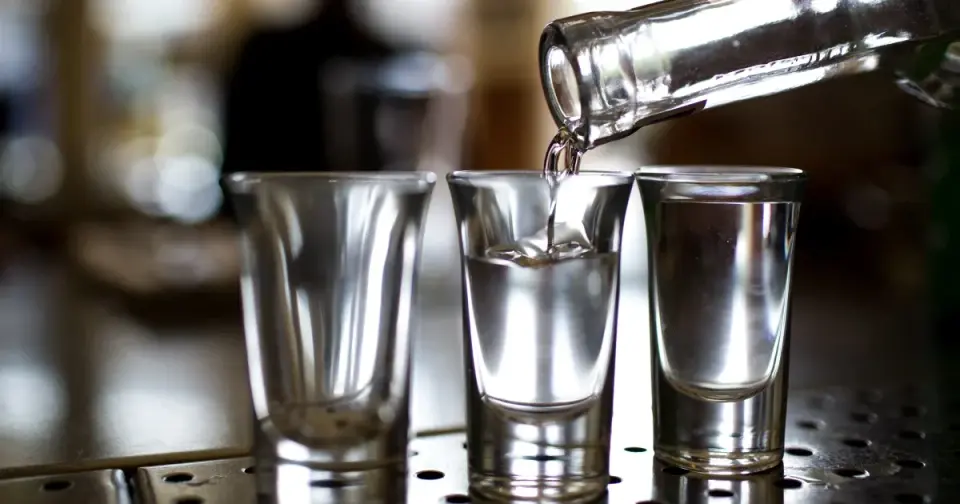
The Supreme Court has agreed to hear a case challenging the constitutionality of an 1868 federal law that prohibits distilling spirits in private homes. The challengers argue the ban exceeds Congress's taxing power, while the government contends it is necessary to prevent tax evasion. A decision is expected by late June 2027.
Key points
- The Supreme Court will decide whether the 1868 federal ban on home distilling is constitutional.
- The ban prohibits distilling spirits in any dwelling house or surrounding structures, with penalties including up to five years in prison and a $10,000 fine.
- Challengers argue the law exceeds Congress's taxing power and does not actually raise revenue.
- The government argues the ban is necessary to prevent tax evasion and is within Congress's power to regulate taxable activities by location.
- The case stems from conflicting rulings by the 5th and 6th U.S. Circuit Courts of Appeals.
Background
The 1868 law was enacted to counter tax evasion by commercial distillers, who often bribed revenue officers rather than pay the high tax rate on spirits. The law has remained in place for over 150 years, despite growing interest in home distilling. Several states, including West Virginia, have legalized home distilling, but these laws do not override the federal ban. Legislation has also been introduced in Congress to repeal the federal restrictions.
How outlets are covering it
NBC News and CBS News emphasize the constitutional arguments, with challengers claiming the ban exceeds Congress's taxing power. AP News highlights the conflicting rulings by the 5th and 6th Circuit Courts of Appeals, which led to the Supreme Court's review. The government, represented by Solicitor General D. John Sauer, argues that the ban is necessary to prevent tax evasion and is within Congress's power to regulate taxable activities by location. The challengers, including the Hobby Distillers Association and individual members, argue that the ban is an antiquated relic of Reconstruction-era politics and that Congress overstepped its taxation powers.
Why it matters
The Supreme Court's decision will determine whether the 1868 federal ban on home distilling is constitutional. If the challengers win, they would still have to register their stills and pay excise tax on the spirits they produce, but the threat of criminal sanctions would be removed. The case also raises broader questions about the extent of federal power and the powers reserved to the states and the people.
What to watch
Arguments in the case, known as Department of Justice v. McNutt, will likely take place next year, with a decision coming by late June or early July 2027. The Supreme Court's ruling will apply nationwide and could have significant implications for home distilling and federal taxation powers.
- High spirits: Supreme Court to decide fate of federal ban on home distilling NBC News
- Can you make whiskey at home? The Supreme Court will decide CNN
- Supreme Court agrees to review a Reconstruction-era ban on distilling spirits in private homes AP News
- Supreme Court to decide legality of federal ban on distilling liquor at home CBS News
- Supreme Court agrees to consider federal ban on home distilleries SCOTUSblog
Want the full story? Read the original reporting
Read on NBC News