
Supreme Court to Rule on Trump’s Asylum Ban and Immigration Court Overhaul
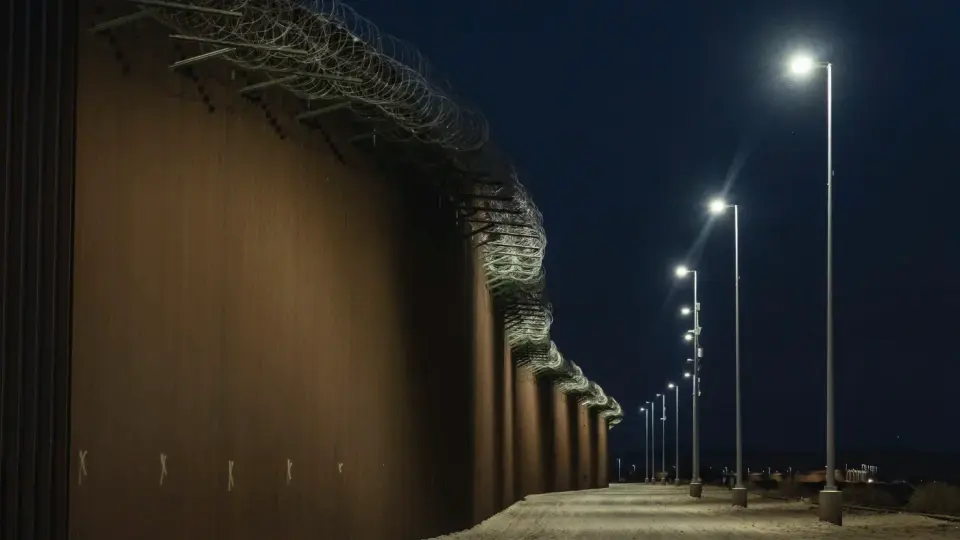
The U.S. Supreme Court is set to hear challenges to President Trump’s second-term immigration policies, including a ban on asylum claims at the southern border and the mass firing of immigration judges. While the administration cites a 95% drop in border apprehensions as justification, critics argue the moves have gutted due process and driven asylum denial rates to 94%. The court is also reviewing whether former asylees can still obtain green cards.
Key points
- The Supreme Court will hear arguments in December 2026 regarding the administration’s use of the Alien Enemies Act and third-country removals, with a decision on the asylum ban expected in spring 2027.
- Asylum denial rates reached 94% in June 2026, up from 50% in 2024, according to TRAC at Syracuse University.
- The administration has fired over 100 experienced immigration judges, replacing them with 'deportation judges' who lack prior experience in immigrant defense.
- Border Patrol apprehensions fell to fewer than 99,000 in fiscal year 2026, a 95% decline compared to the Biden administration, according to CBP data.
- The court is also reviewing Wassily v. Blanche, determining if noncitizens whose asylum status was terminated can still apply for lawful permanent residency.
Background
This legal battle follows the 2026 midterms, where Democrats seized control of both chambers of Congress, signaling a potential legislative pushback against Trump’s immigration agenda. The administration’s policies have been described as a 'seismic' shift, with critics arguing they have transformed immigration courts into deportation arms of ICE. The current dispute is the latest in a series of high court challenges to Trump’s immigration policies, which have faced mixed results, including a recent rejection of his birthright citizenship challenge.
How outlets are covering it
The Trump administration and conservative allies, such as the Heritage Foundation, argue the asylum ban is a necessary measure against 'invasion' and 'fake' asylum seekers, citing the dramatic drop in border crossings as proof of its effectiveness. Conversely, the ACLU and immigrant rights groups contend the policies violate federal law and due process, stripping asylum seekers of basic rights. While the administration claims the ban has restored order, critics point to the 94% denial rate and the firing of experienced judges as evidence of a system designed to expedite removals rather than adjudicate claims fairly.
Why it matters
The outcome of these cases will define the limits of presidential power over immigration and determine whether the U.S. asylum system, in place for nearly half a century, will be effectively dismantled. A ruling against the administration could restore due process rights and reopen asylum pathways, while a ruling in favor of the administration would enshrine a new era of mass deportation and indefinite detention.
What to watch
The Supreme Court is scheduled to hear arguments on third-country removals on December 9, 2026. Arguments on the asylum ban are expected in spring 2027, with decisions in all three major immigration cases anticipated by late June 2027. The court is also expected to rule on Wassily v. Blanche by early July 2026.
- Trump effectively ended asylum. Advocates look to the Supreme Court to restore it NPR
- The Supreme Court is about to take a closer look at Trump’s immigration agenda CNN
- Justices to consider whether noncitizens who lose asylum status may still obtain green cards SCOTUSblog
- Opinion | The Supreme Court might cross more than Trump at the border The Washington Post
- Fact Check Team: Supreme Court to review Trump’s bid to suspend asylum at southern border KFOX
Want the full story? Read the original reporting
Read on NPR