
Supreme Court Unblocks SAVE Database for Midterm Voter Checks
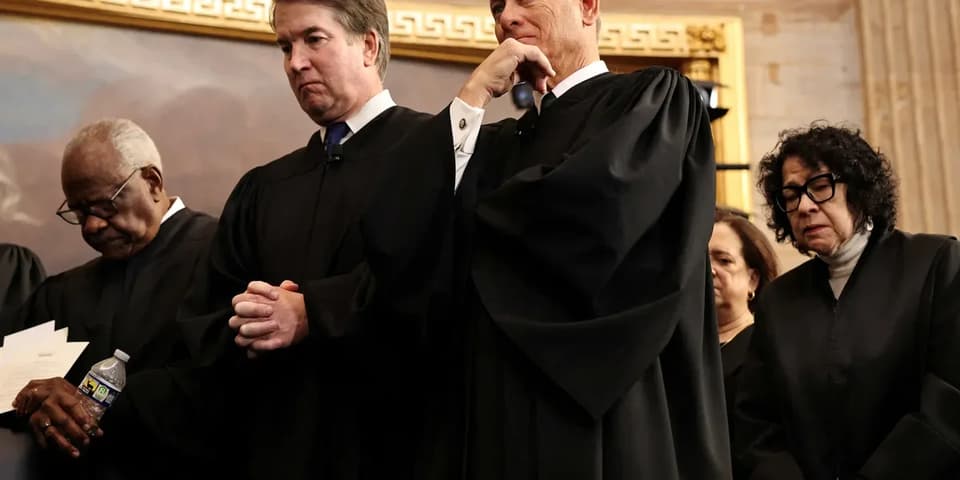
The Supreme Court has permitted states to use the SAVE database to verify voter citizenship for the upcoming midterms, despite concerns over the tool's reliability and potential to disenfranchise legal citizens.
Key points
- The Court allowed the use of the SAVE system for individualized citizenship checks in the November election.
- The Trump administration linked SAVE to Social Security records and waived fees for states to upload voter rolls.
- Critics argue the tool is unreliable, as seen in Texas where flagged voters were later confirmed as citizens.
- The Court noted that federal law prohibits mass purges close to Election Day, but the administration disputes this for noncitizens.
- The DOJ has sued 25 states to obtain voter lists, losing all cases so far, but continues using public data.
Background
This ruling follows a series of legal battles over mail-in voting and voter eligibility in the 2026 cycle. Earlier this month, federal judges blocked new USPS mail-ballot rules, and the Supreme Court previously paused restrictions on mail-in voting. The SAVE system has been a central tool in the Trump administration's push to identify noncitizens on voter rolls, a move that has faced significant legal and public scrutiny.
How outlets are covering it
CNN provides a detailed explanation of the SAVE system's mechanics and the legal disputes surrounding its use, emphasizing the tool's unreliability and the potential for disenfranchisement. Alternet.org, through its headline and related articles, frames the ruling as a harmful move by the Supreme Court, suggesting it will have more negative consequences than initially apparent. Both outlets agree on the core facts but differ in their framing of the ruling's impact, with CNN focusing on the procedural and legal aspects and Alternet.org highlighting the potential for widespread harm.
Why it matters
The ruling could affect millions of voters in the midterms, as the SAVE system's unreliability may lead to the removal of legal citizens from voter rolls. The decision also sets a precedent for future elections and could influence the outcome of the 2026 midterms by potentially disenfranchising voters.
What to watch
The Supreme Court will decide the question of whether the federal ban on mass purges applies to noncitizens in a case this coming term, but not before the midterms. States may continue to use the SAVE system for individualized checks, and the DOJ may continue its efforts to obtain voter lists from states.
- Expert warns Supreme Court's new ruling to be more harmful than they let on alternet.org
- The Supreme Court just threw a new monkey wrench at the midterms. Here’s what to know CNN
- Supreme Court Allows Expansive Federal Database for Voter Screening The New York Times
- What the Supreme Court's voter-citizenship database decision means for the midterms pbs.org
- Where the White House Stands in Its Push for a Bigger Role in Running Elections WSJ
Want the full story? Read the original reporting
Read on alternet.org