
Syracuse basketball star faces federal charges after discovering she was not a U.S. citizen
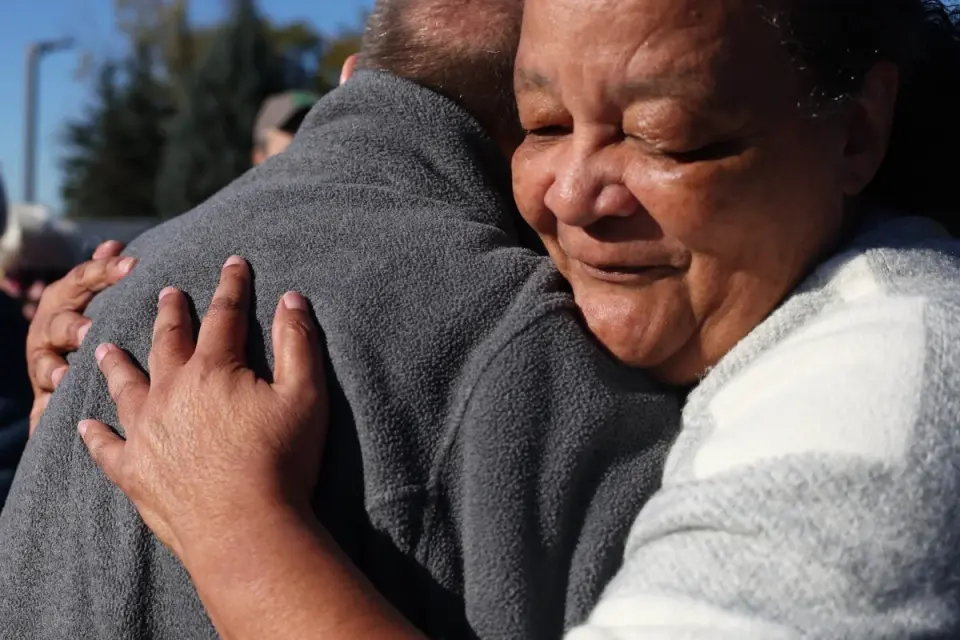
Marva Cook, a 66-year-old Syracuse resident and former Syracuse University basketball star, has been charged with voting as a non-citizen. Cook, who was adopted as a toddler, recently discovered she held a German birth certificate and a green card, meaning she lacked U.S. citizenship when she voted in the 2022 midterms. Federal prosecutors in upstate New York are using her case to highlight alleged voter fraud, while community members argue she acted in good faith without intent to deceive. Cook faces a misdemeanor charge carrying up to one year in prison and potential deportation, though her lawyer states there are currently no pending immigration proceedings.
Key points
- Marva Cook, a 66-year-old Syracuse resident, was charged with a single federal count of voting by an alien for casting a ballot in the 2022 midterms.
- Cook, who starred on Syracuse University’s women’s basketball team in the late 1970s, stated she only recently learned she was not a U.S. citizen after finding a German birth certificate while searching for her biological mother.
- Federal prosecutors in upstate New York described the case as evidence that voter fraud is rampant, a claim contradicted by other government investigations showing such instances are rare and do not alter election outcomes.
- Cook faces a maximum penalty of one year in prison and a fine up to $100,000, along with potential deportation, though her attorney confirmed there are no current immigration proceedings.
- Community members, including church leaders and former colleagues, described Cook as a respected figure who served the community through the YMCA and local parish, emphasizing that her actions involved no malice or deception.
Background
This case is part of a broader federal initiative by the Trump administration to identify and prosecute non-citizen voters ahead of the 2026 midterm elections. Similar actions have recently occurred in California and Minnesota, where legal permanent residents were charged with illegal voting or registration. These prosecutions follow a pattern of heightened enforcement and public messaging by the Department of Homeland Security regarding voter eligibility, contrasting with internal data suggesting such violations are statistically insignificant in national elections.
Why it matters
The case highlights the tension between federal enforcement priorities and the legal complexities of citizenship status for adopted individuals. It serves as a test case for the administration’s stance on voter fraud, potentially influencing public perception of election integrity and immigration enforcement. The outcome may set precedents for how good-faith errors in citizenship status are treated under federal law, particularly regarding penalties and deportation risks for long-term residents.
What to watch
Cook’s legal team has indicated there are no upcoming hearings or filing deadlines at this time. While there are no current immigration proceedings, Cook has retained an immigration attorney in case her status is reviewed. The case will likely proceed through federal court, where the defense may argue lack of intent to deceive, a factor often considered in such misdemeanor charges.
Want the full story? Read the original reporting
Read on AP News