
Ukraine Confirms Full Starlink Restoration After Week of Drone Disruption
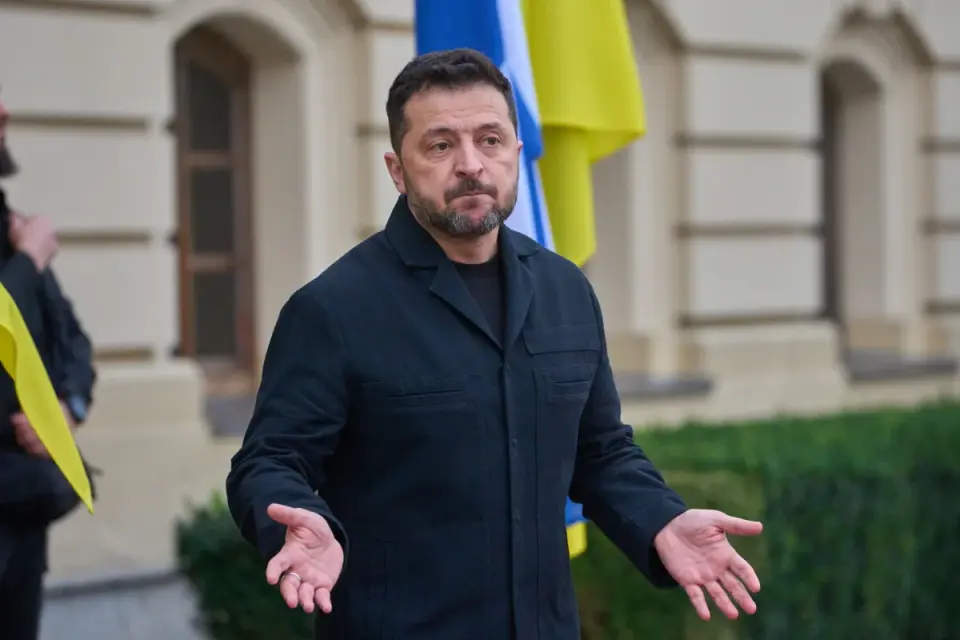
Ukraine’s defense ministry confirmed Saturday that full access to Starlink and Starshield satellite networks has been restored, ending speed restrictions that disrupted drone operations for over a week. Defense Minister Yevhenii Khmara reported stable connections for objects traveling above 400 kph (250 mph). This resolution follows intense diplomatic pressure from President Volodymyr Zelenskyy and occurs amid renewed peace talks between Kyiv, Moscow, and Washington, including a localized ceasefire in Kherson region.
Key points
- Defense Minister Yevhenii Khmara confirmed stable Starlink/Starshield connections for speeds exceeding 400 kph, ending restrictions that lasted more than a week.
- The speed limits had caused Ukrainian drones to lose connection and crash, disrupting front-line logistics and air defense against Russian jet-propelled drones.
- President Zelenskyy credited direct dialogue with Washington for the resolution, though he noted some areas still experienced mixed signals earlier in the week.
- The restoration coincides with new US-led peace efforts, including three-way negotiations scheduled for next month and a localized ceasefire in Oleshky, Kherson region, brokered by Melania Trump.
- Ukraine continues to face challenges with delayed US Patriot interceptor deliveries and ongoing Russian missile and drone attacks on energy infrastructure.
Background
The Starshield disruption began approximately ten days ago, when Ukrainian drone operators reported speeds dropping below 40 mph, causing equipment loss and mission failures. Previous archive coverage highlighted that despite US claims of restoration, front-line units in Donetsk and other regions reported persistent limitations as recently as Friday. The incident deepened tensions between Kyiv and Washington, particularly amid disputes over Russian diesel imports and US military aid. Ukrainian officials had raised concerns that the throttling was intended to force capitulation, while US officials denied involvement, creating confusion over responsibility for the restrictions.
How outlets are covering it
AP News and CBS News emphasize the official confirmation of full restoration by Ukrainian authorities, highlighting Zelenskyy’s diplomatic efforts. CNN provides a more nuanced view, noting that while national speeds were restored, some regional areas like Donetsk still reported limited speeds of 160 kph earlier in the day, and details Trump’s direct call to Elon Musk to restore access. The New York Times focuses on the operational impact, noting that while speeds improved, the uncertainty caused significant disruption to drone operations and deepened rifts between US Congress and the White House. All sources agree on the restoration but differ in emphasis: AP/CBS focus on the diplomatic resolution, CNN on the technical and regional inconsistencies, and NYT on the broader political and operational consequences.
Why it matters
The restoration of Starlink/Starshield is critical for Ukraine’s ability to defend against Russian drone attacks and maintain front-line operations. The incident highlights the fragility of US-Ukraine military cooperation and the potential for political disputes to directly impact battlefield capabilities. It also underscores the ongoing complexity of US-Russia-Ukraine negotiations, where technical issues like satellite access are intertwined with broader diplomatic and military aid discussions.
What to watch
Ukraine expects further meetings with US negotiators in the coming week, following talks with special envoy Steve Witkoff. Three-way negotiations between Kyiv, Moscow, and Washington are scheduled for next month. Ukraine continues to await delivery of US-made Patriot interceptors, which Zelenskyy noted are delayed. Russian attacks on energy infrastructure and civilian areas are expected to continue, with recent strikes leaving over 500,000 people without power in six regions.
- Ukraine says Starlink speed limits lifted after a slowdown that hobbled its drones AP News
- Exclusive | Trump Called Musk and Asked Him to Lift Ukraine Starlink Restrictions WSJ
- Ukraine says it regained full use of Starlink, after more than a week of disruption CBS News
- Ukraine’s defense ministry says access to Starshield has been restored CNN
- Speed of Starshield Satellite Network Is Improving, Ukraine Says The New York Times
Want the full story? Read the original reporting
Read on AP News