
Texas Democrats seize power, triggering regulatory shifts for tech billionaires
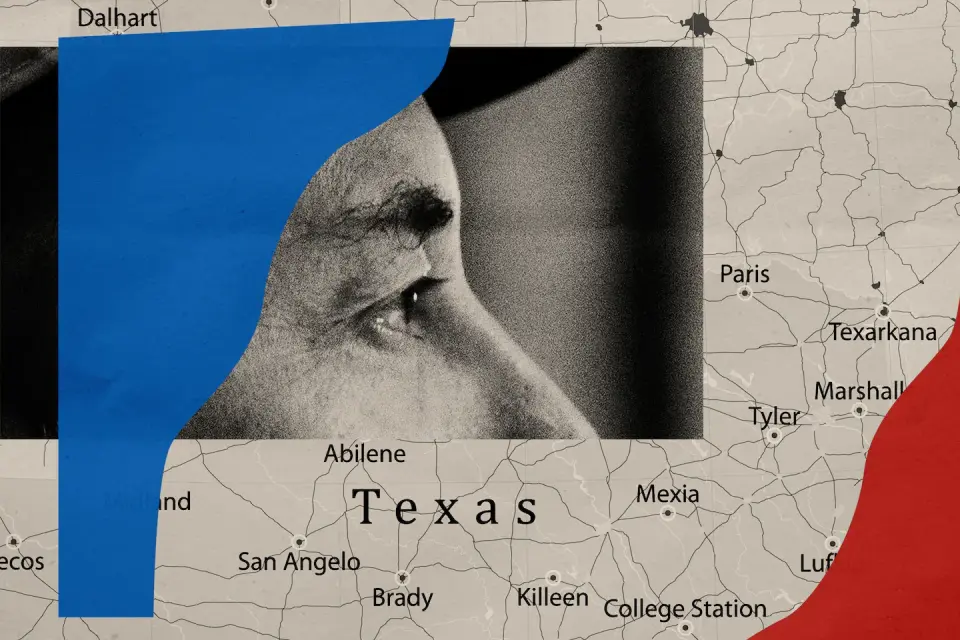
In a historic 2026 midterm shift, Democrats won the Texas governorship, Senate seat, and state House, ending decades of Republican dominance. Governor-elect Gina Hinojosa and Senator-elect James Talarico plan to challenge billionaire influence, particularly targeting data center expansions and tax breaks. This victory follows a massive Republican spending surge led by Elon Musk, whose investments failed to prevent the Democratic 'blue wave.'
Key points
- Gina Hinojosa became the first Latina and first Democratic governor of Texas since 1994, defeating Greg Abbott.
- James Talarico won the U.S. Senate seat, the first Democratic victory in Texas for that office since 1988.
- Democrats gained control of the Texas House for the first time in nearly 25 years, though Republicans retain the state Senate.
- Hinojosa vowed to impose a moratorium on new data center approvals and end industry tax breaks, directly targeting developers like Elon Musk.
- The new administration plans to audit the $1 billion education voucher program and potentially ease marijuana restrictions, reversing previous Republican policies.
Background
This shift follows a period of intense Republican spending, with billionaire donors including Elon Musk contributing over $600 million to GOP causes in 2026. Musk alone donated at least $276 million, heavily supporting candidates like Ken Paxton. Prior to the election, Musk’s operations in Texas, including SpaceX and Tesla, faced regulatory scrutiny and environmental lawsuits. The 2026 results mark a reversal of the 2024 political landscape, where Democrats had struggled with what some called an electoral 'wilderness.'
How outlets are covering it
The Washington Post frames the result as a consequence of tech billionaires fleeing or influencing California politics, now facing a 'blue' Texas. The Atlantic emphasizes the strategic reinvention of the Democratic Party, noting that the 'wilderness' of recent years allowed new leaders like Talarico to emerge. KERA focuses on the practical policy impacts, detailing how the new leadership will affect education, data centers, and healthcare. While The Atlantic highlights the party’s renewed purpose, KERA notes the legislative constraints, such as the Republican majority in the state Senate, which may limit the governor’s ability to pass sweeping reforms like Medicaid expansion or abortion repeal.
Why it matters
The Texas shift signals a potential national trend for Democratic candidates in 2026, challenging the Republican coalition’s reliance on billionaire funding. It also marks a turning point for tech industry regulation in the U.S., as Texas moves from a deregulatory hub to a state with stricter oversight on data centers and AI infrastructure. The outcome could influence federal policy debates on immigration, healthcare, and education, as Texas holds significant sway in national politics.
What to watch
Hinojosa will begin her term by firing the current Education Commissioner and appointing an educator to lead the Texas Education Agency. She will also push for Medicaid expansion, though this requires legislative action. The new Attorney General, Nathan Johnson, is expected to halt lawsuits against out-of-state abortion providers and may audit the ICE 287(g) program. Talarico will likely continue his campaign against billionaire influence, potentially impacting federal tech policies. The Republican-controlled state Senate will likely block some Democratic initiatives, leading to a period of legislative gridlock and compromise.
- Musk fled California for Texas. Now his red-state refuge is in revolt. The Washington Post
- Border shift: Hispanic voters drive Texas' historic flip to blue NPR
- The Machine, and the Messaging, That Won Texas for Democrats The New York Times
- This Won’t Be Easy for Democrats The Atlantic
- ‘Blexas’ is here. What could change? www.kera.org
Want the full story? Read the original reporting
Read on The Washington Post