
Texas Midterm: 19M Voters Face ID Rules, Mail Ballot Deadlines, and Registration Backlogs
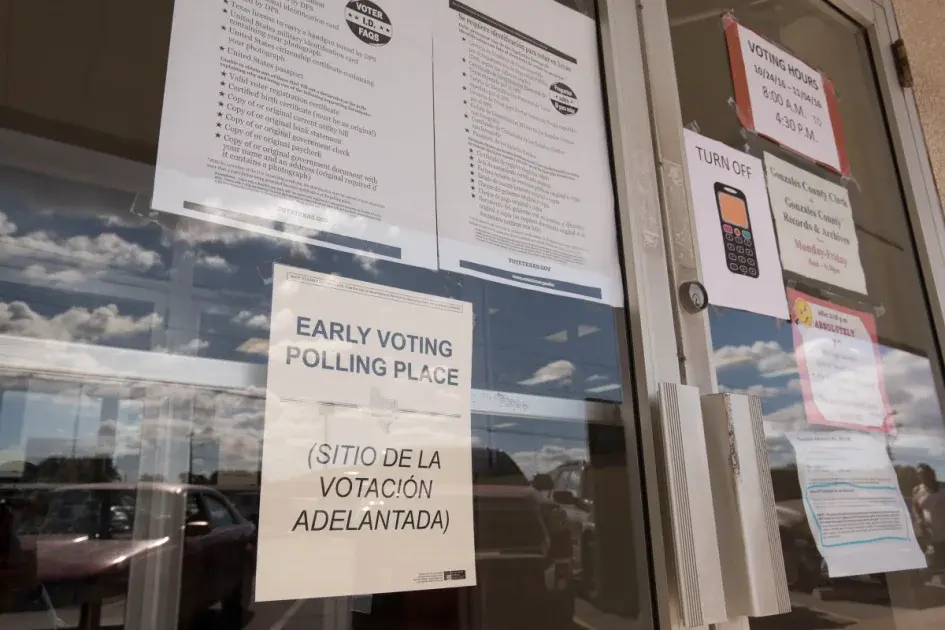
Early voting begins Oct. 19 in Texas, where 19 million registered voters must navigate strict photo ID laws, limited mail-in options, and recent registration data errors. While Republicans emphasize security, Democrats and voting rights groups argue these rules suppress turnout, particularly among minorities and younger voters.
Key points
- Early voting runs from Oct. 19 to Oct. 30, with Election Day on Nov. 3; registration deadline was Oct. 5.
- Voters must present one of seven specific photo IDs (e.g., driver's license, passport) or file a 'reasonable impediment' declaration with supporting documents.
- Mail-in voting is restricted to seniors, disabled individuals, or those out of county; applications require matching ID numbers, leading to higher rejection rates.
- A backlog of 15,000 new voter registration records emerged days before early voting, following a prior 500,000-record error, causing administrative strain on counties.
- Straight-ticket voting was banned in 2020, and online voter registration remains unavailable, with Texas being the most populous state without it.
Background
The 2026 midterms are critical for Senate control, with Democrats needing four seats to gain a majority. In Texas, the race for governor and U.S. Senate is highly contested, with candidates like Gina Hinojosa and Ken Paxton facing intense scrutiny. Recent polling shows young voters shifting away from Republicans due to economic and cultural concerns, potentially impacting turnout in key districts.
How outlets are covering it
The Texas Tribune and CBS News provide detailed logistical guides, emphasizing the strict ID requirements and the complexity of mail-in ballots. The San Antonio Report focuses on local accessibility, offering video guides for Bexar County voters. Critics, including the Secure Democracy Foundation and voting rights advocates, argue that the ID and mail-in rules disproportionately burden voters of color and those with disabilities, while Republicans frame these measures as necessary for election integrity. The recent registration backlog has drawn criticism from county officials who call the state's system unsustainable.
Why it matters
The outcome of the Texas midterms will influence national policy on healthcare, education, and immigration. Strict voting laws and administrative errors could suppress turnout, potentially altering the balance of power in state and federal offices. As young voters shift politically, the ability to access the ballot without barriers is crucial for determining the final results in a competitive state.
What to watch
Counties are racing to clear the 15,000-record registration backlog before early voting begins. Voters should verify their registration status and ID requirements via the Texas Secretary of State's portal. Campaigns are intensifying efforts to mobilize voters, particularly in rural and urban areas where turnout is decisive. The U.S. Senate race between James Talarico and Ken Paxton will see significant spending and advertising, including Spanish-language ads, in the final weeks.
- Texas election laws: What voters need to know before casting ballots in the 2026 midterm The Texas Tribune
- LIST: Early voting locations across the Big Country BigCountryHomepage.com
- Early voting starts Monday in Texas. Here’s how to vote in the midterm election. San Antonio Report
- Texas Voter Guide 2026: What's on the ballot in Austin on Nov. 3? Yahoo
- When does early voting start in Texas? Dates, hours and polling locations CBS News
Want the full story? Read the original reporting
Read on The Texas Tribune