
Texas Midterms: Early Vote Data and Latino Backlash Put GOP in Peril
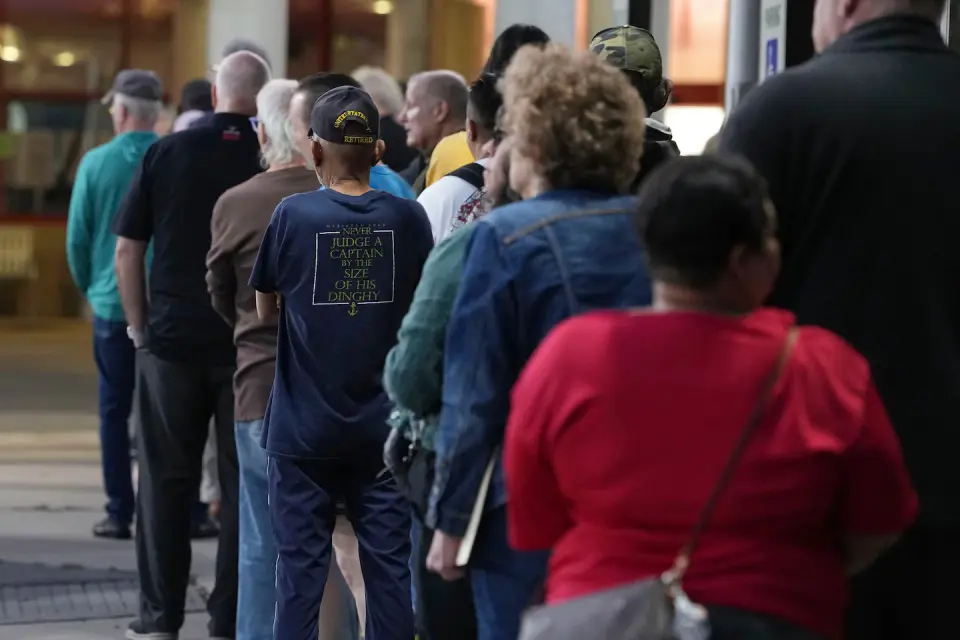
A record 7.4 million Texans voted early, giving Democrats a turnout lead in urban areas and forcing Republicans to rely on independents. Analysts note that 54% of independents must vote GOP for the party to break even, a threshold deemed unlikely. In the Rio Grande Valley, shifting Latino support threatens Republican gains, while some conservatives in Tarrant County are considering skipping the ballot due to dissatisfaction with party leadership.
Key points
- Early voting data shows Democrats leading in urban counties, while Republicans lead in suburban and rural areas, but independents are outpacing both parties.
- Steven David, an early voting expert, states that 54% of independents must vote Republican for the GOP to match Democratic turnout, a scenario he considers unlikely.
- In the Rio Grande Valley, Latino voters who shifted to the GOP in 2024 are now rebelling against immigration enforcement tactics, threatening the reelection of Monica De La Cruz.
- Democratic candidate Bobby Pulido, a Tejano singer, is leveraging his celebrity to mobilize conservative-leaning Latinos who feel abandoned by both major parties.
- Some Texas Republicans, including Young Republicans in Tarrant County, are debating whether to vote for the party’s Senate nominee, Ken Paxton, due to his scandals.
Background
Recent coverage indicates that rural Republican support has dropped to just under 50% due to economic anxiety and tariff impacts. Additionally, the Texas Senate race is viewed as razor-thin, hinging on Black voter turnout and independent shifts in major metro areas. Republican leaders have previously expressed alarm over early voting surges, with Senator Ted Cruz warning of potential losses in statewide races.
How outlets are covering it
The Washington Post emphasizes the mathematical hurdle facing the GOP, noting that independents are the decisive bloc and that Democrats hold a significant early vote lead in urban centers. Slate focuses on the cultural and political shift in the Rio Grande Valley, arguing that Latino voters are rejecting both the perceived indifference of Democrats and the harsh enforcement tactics of the current Republican administration. The Atlantic highlights internal party conflict, detailing how some conservative voters are morally opposed to supporting the party’s Senate candidate, Ken Paxton, due to his scandals. While the Post and Slate focus on voter demographics and turnout, The Atlantic focuses on the ideological rift within the Republican base itself.
Why it matters
The outcome of the Texas midterms will determine the balance of power in the state legislature and influence national policy on immigration and energy. If the GOP fails to mobilize independents and Latino voters, it risks losing key congressional seats and statewide offices, potentially shifting the state’s political landscape back toward Democratic control in urban areas and weakening its grip on rural districts. The internal dissent among Republicans over candidates like Paxton could also signal a broader fracture in the party’s coalition.
What to watch
Analysts expect the final outcome to hinge on the behavior of independent voters, particularly in suburban and rural areas. In the Rio Grande Valley, the race between Bobby Pulido and Monica De La Cruz will serve as a bellwether for Latino voter loyalty. Meanwhile, the decision of conservative voters in Tarrant County and other areas to support or skip the ballot for Ken Paxton could impact the Senate race and other statewide contests. Polls are expected to update as late voters come out in the final days before the election.
- In a hole, Texas GOP needs extra help from independent voters, analysts say The Washington Post
- Texas Republicans sweating over low turnout in early voting The Washington Post
- They Were Some of MAGA’s Newest Converts in 2024. Now They’re Jumping Off the Trump Train En Masse. Slate
- Trump Has Pushed Some Texas Republicans Too Far The Atlantic
- ‘Deeply Worried’ Republican Senator Sounds Doomsday Alarm for Midterms Yahoo
Want the full story? Read the original reporting
Read on The Washington Post