
Midterm voters face record gas prices and housing costs despite stock market highs
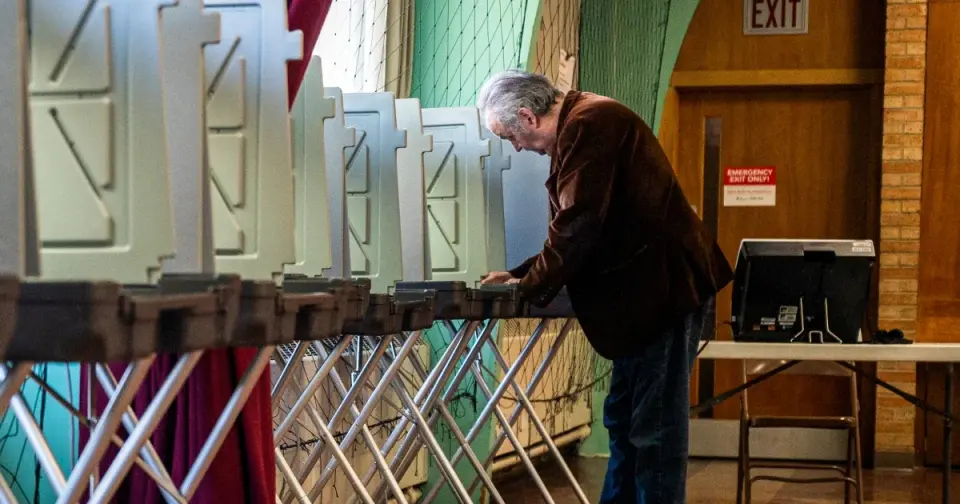
US midterm elections on November 3 are being driven by economic frustration, with inflation outpacing wage growth and energy costs spiking due to the Iran war. While the S&P 500 has risen over 26%, average Americans report feeling financially squeezed by rising gas, mortgage rates, and home prices. Polls show the economy is the top issue, with 74% rating it poorly, creating a disconnect between macroeconomic indicators and household reality.
Key points
- Inflation reached 3.7% in September, exceeding wage growth of 3%, according to the Bureau of Labor Statistics.
- Regular gas prices have surpassed $4 per gallon, the highest level before an election, driven by the Iran conflict.
- The 30-year fixed mortgage rate has risen above 7%, while average single-family home prices hit $422,700.
- A majority of voters are frustrated with President Trump on economic issues, despite record stock market gains.
- CNN reports that 74% of Americans rate the economy poorly, mirroring sentiment from the 2009 recession.
Background
The current economic strain follows a period of rising paychecks at the start of Trump’s second term. The recent conflict with Iran has accelerated price increases for energy and goods. This occurs amid political instability, including the brief tenure of White House press secretary Katie Zacharia, which highlighted administration communication challenges before the election.
How outlets are covering it
NBC News emphasizes statistical trends, noting that while the S&P 500 has soared 26%, this wealth is concentrated among investors, leaving many Americans unable to afford basic necessities. CNN focuses on the psychological impact, reporting that 74% of Americans rate the economy poorly and that many feel their votes do not matter. ABC News highlights the tangible cost of living, citing a 50% increase in coffee prices due to tariffs and a 50% rise in shipping costs for small businesses in Michigan. All sources agree that the economy is the primary driver of voter sentiment, but they differ in emphasis: NBC on data, CNN on public sentiment, and ABC on specific consumer price shocks.
Why it matters
The disconnect between strong stock market performance and poor household financial health could determine the outcome of the midterm elections. If voters perceive that their daily economic struggles are ignored by policymakers, it may lead to significant shifts in congressional control and influence future economic policy.
What to watch
Voters will cast ballots on November 3. The outcome will likely reflect the level of frustration with the current administration's handling of inflation and energy costs. Future economic policy will depend on whether the new Congress prioritizes cost-of-living relief or maintains current trade and energy strategies.
- 5 charts that explain the economy’s role in the midterm elections NBC News
- Parties End the Midterm Election With Their Closing Arguments The New York Times
- “Nobody’s listening”: 5 things Americans told me about the economy that Washington needs to hear CNN
- Land of the free, home of the bill shock. This is life in Trump's America ABC News & Headlines – Australian Broadcasting Corporation
- US voters in a sour economic mood heading into midterm elections Reuters
Want the full story? Read the original reporting
Read on NBC News