
Treasury Chief Bessent Moves to Military Base After Iran Threats
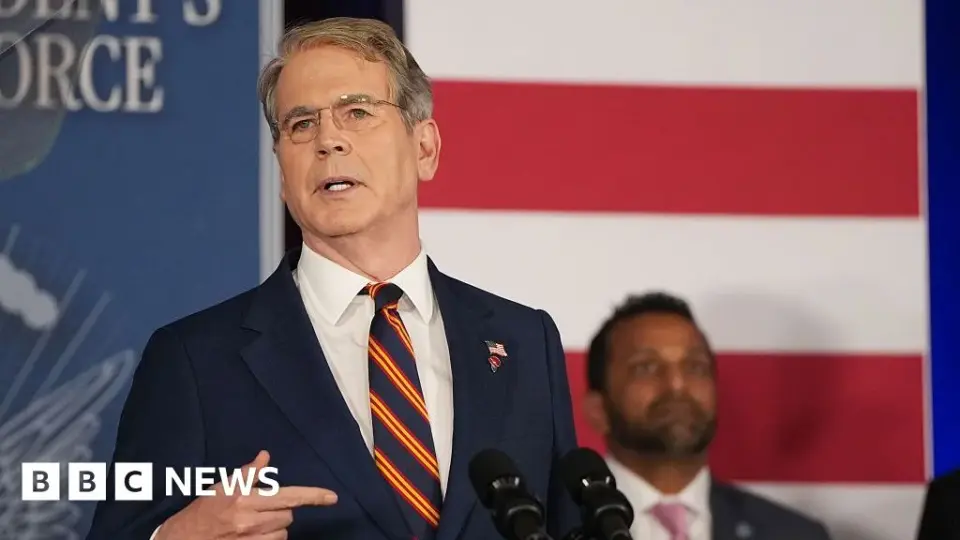
US Treasury Secretary Scott Bessent has relocated from his Washington, D.C. home to a military base following intelligence reports of escalated Iranian threats. The move follows the publication of an aerial photo of his Georgetown residence, which allowed his location to be geolocated. While the specific severity of the threats remains unclear, officials state that Iranian plotting against US officials has reached a more advanced stage. Bessent continues to lead the US economic pressure campaign against Iran, known as Operation Economic Outcast, despite the security concerns.
Key points
- Treasury Secretary Scott Bessent moved from his Georgetown home to a military base after intelligence indicated Iranian threats against his life had intensified.
- The relocation was triggered by a Wall Street Journal article featuring an aerial photo of Bessent's $12.5 million home, which allowed his residence to be geolocated.
- US intelligence officials warned that Iran has substantially increased efforts to target current and former US officials, with plotting reaching a more advanced stage.
- Bessent leads Operation Economic Outcast, a sanctions campaign aimed at isolating Iran financially, making him a primary target for Tehran.
- Other senior administration officials, including Secretary of State Marco Rubio and Defense Secretary Pete Hegseth, have also relocated to secure housing due to similar security concerns.
Background
The relocation of Bessent follows a broader pattern of security upgrades for senior administration figures amid escalating tensions with Iran. In September, Director of National Intelligence Jay Clayton warned that Iran had substantially increased efforts to target Americans, including US officials. The US and Israel launched an air campaign against Iran in February, leading to a conflict that included the closure of the Strait of Hormuz. A preliminary agreement to end the war in June collapsed after Iranian attacks on shipping resumed, prompting the US to reinstate a blockade targeting Iranian ports. Bessent's role in the economic pressure campaign has made him a focal point for Iranian threats, with intelligence indicating that plotting against US officials has reached a more advanced stage.
How outlets are covering it
The BBC, CBS News, The New York Times, and The Guardian all report on Bessent's relocation to a military base following Iranian threats, but they emphasize different aspects of the story. The BBC and CBS News focus on the immediate security concerns and the role of the Wall Street Journal's photo in triggering the move. The New York Times and The Guardian highlight the broader context of Iranian threats against US officials and the intelligence warnings from Jay Clayton. The New York Times also notes that Bessent's role in the economic pressure campaign has made him a primary target for Tehran. The Guardian emphasizes the broader pattern of security upgrades for senior administration officials, including Secretary of State Marco Rubio and Defense Secretary Pete Hegseth. All sources agree that the specific severity of the threats remains unclear, but they differ in their emphasis on the immediate security concerns versus the broader context of Iranian threats and the US economic pressure campaign.
Why it matters
The relocation of Treasury Secretary Scott Bessent to a military base highlights the escalating security concerns for US officials amid ongoing tensions with Iran. It underscores the effectiveness of Iranian threats in influencing US policy and the need for robust security measures to protect key government figures. The move also signals the continued importance of the US economic pressure campaign against Iran, with Bessent's role in Operation Economic Outcast making him a primary target for Tehran. The incident raises questions about the balance between national security and the freedom of the press, as the publication of an aerial photo of Bessent's home triggered the relocation. It also highlights the broader pattern of security upgrades for senior administration officials, reflecting the heightened risks faced by US officials in the current geopolitical climate.
What to watch
The next steps will likely involve continued security assessments for US officials, particularly those involved in the economic pressure campaign against Iran. The US government may further adjust its diplomatic and military presence in the region in response to the escalating threats. Diplomatic efforts to end the conflict through economic pressure rather than military action are expected to continue, with Secretary of State Marco Rubio stating that there is no need to resume major combat operations against Iran. The US may also increase its focus on countering Iranian threats through intelligence and security measures, while maintaining its economic pressure campaign to isolate Iran financially. The outcome of these efforts will depend on the effectiveness of the sanctions and the willingness of Iran to engage in diplomatic negotiations.
- US Treasury Secretary Scott Bessent relocated after alleged Iranian threats BBC
- Bessent Is Moved From D.C.-Area Home to Military Base Amid Iranian Threats The New York Times
- US Treasury chief Scott Bessent is reportedly latest Trump official to move to military base The Guardian
- Bessent relocates from D.C.-area home to military base following Iran threats CBS News
- Treasury Secretary Scott Bessent moved to a military base, sources say ABC News - Breaking News, Latest News and Videos
Want the full story? Read the original reporting
Read on BBC