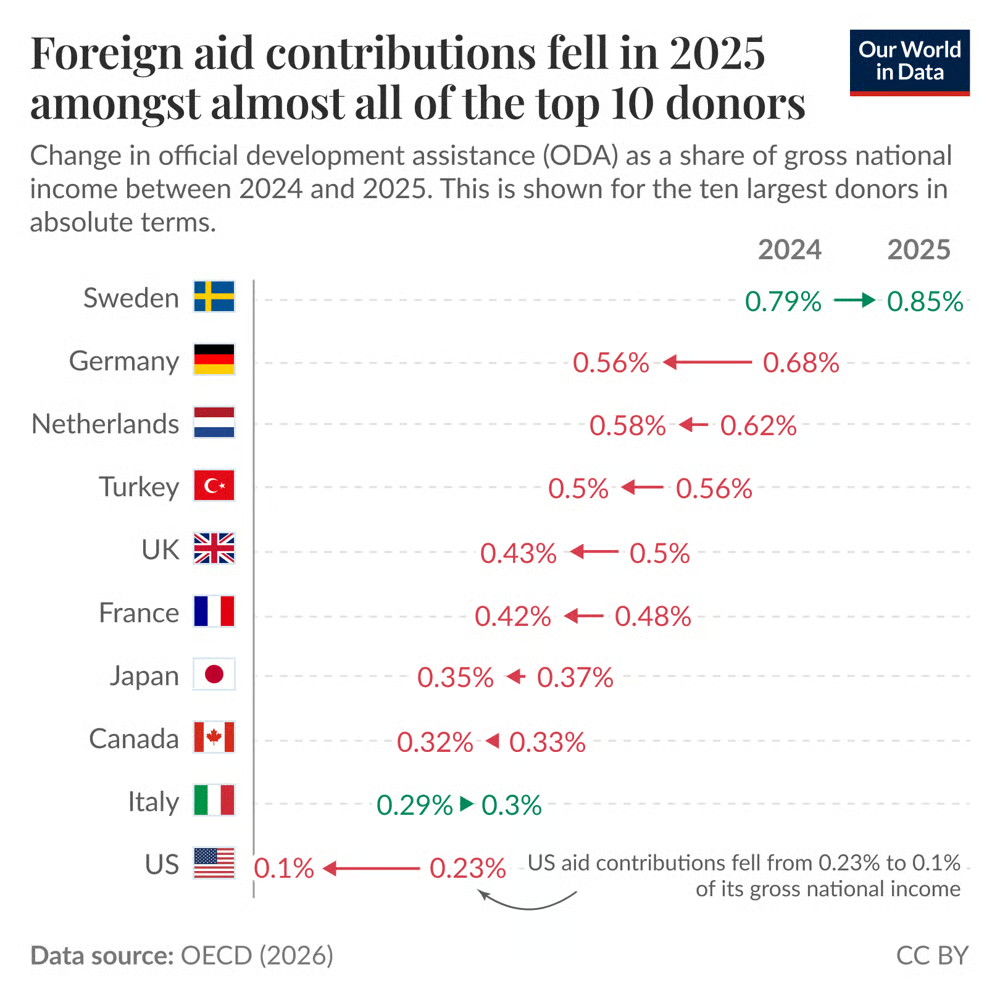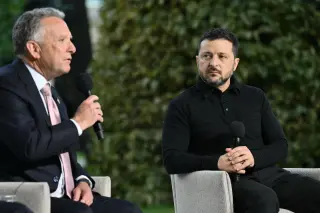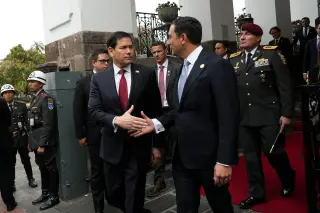
The Pentagon is considering shifting weapons meant for Ukraine to the Middle East due to depleted U.S. munitions from the Iran conflict, highlighting growing trade‑offs as Washington seeks to sustain aid to Ukraine while replenishing stockpiles.
Four years into Russia’s invasion of Ukraine, the war shows little sign of ending, with massive casualties, widespread displacement, and only modest battlefield gains. CSIS estimates up to 1.8 million military casualties across both sides (Russia ~1.2 million; Ukraine ~500,000–600,000). Civilian tolls include about 15,000 dead and more than 40,000 injured, with 2,514 civilian deaths in 2025 alone. About 5.9 million Ukrainians have fled abroad and millions more are displaced internally; Russia occupies roughly 19.4% of Ukrainian land, up from about 7% before the invasion. Foreign military aid to Kyiv fell ~13% in 2025 versus the 2022–24 average, though Europe stepped up while U.S. weapons funding waned. Health-care facilities have been hit in 2,881 attacks. The data underscore a grinding conflict with heavy costs and uncertain prospects for a breakthrough.
President Trump announced the U.S. will contribute $10 billion to a 'Board of Peace' he created for Gaza’s peace plan, with the funding source still unclear amid major cuts to foreign aid; the board’s scope and oversight of UN activities remain unclear even as a large U.S. military buildup and a looming decision on Iran’s nuclear program unfold.
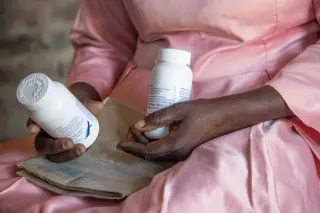
One year after the Trump-era dismantling of USAID, a Lancet study projects that ongoing global aid cuts could cause about 9.4 million more deaths by 2030 (about 2.5 million under age 5) vs maintaining 2023 funding; deeper cuts could raise deaths to 22.6 million. Using data from 93 low- and middle-income countries, the analysis credits overseas aid with major declines in child mortality and infectious diseases, while warning that current and planned cuts are already weakening health systems as clinics close and mortality data gaps emerge. Some donors argue for reform of the aid system and route funds through recipient governments; the study notes it doesn’t fully account for philanthropic or national countermeasures that could mitigate harms.
Vice President JD Vance announced a sweeping expansion of the Mexico City Policy, extending the ban on U.S. non-military foreign assistance to any organization that works on abortion or promotes diversity, equity and inclusion and transgender issues abroad, effectively tripling the policy’s reach. The move, praised by anti-abortion activists and tied to the Trump administration’s effort to curb what it calls radical gender ideologies, drew criticism from humanitarian groups who warn it will limit women’s health services and civil society organizations overseas.
The Trump administration will broaden the Mexico City policy to bar recipients of U.S. foreign aid from promoting or supporting abortion and will extend the prohibition to include diversity, equity and inclusion programs and gender ideology, affecting more than $30 billion in aid and impacting both foreign and U.S.-based NGOs as well as international organizations.
Trump unveils a plan to condition U.S. foreign assistance on recipient countries' policies on abortion, diversity, equity and inclusion, and gender identity, signaling a sweeping shift in aid criteria.
Congress largely rejected President Trump’s request for deep, sweeping budget cuts, passing bipartisan funding bills that keep most federal programs funded and only modestly trim a few, including maintaining NASA and NSF funding and preserving Voice of America, the National Endowment for Democracy, and the National Endowment for the Arts. The House approved funding for State and Treasury and foreign aid with more than Trump’s request but below current levels, and eight of twelve appropriation bills have moved forward as lawmakers race toward a Jan. 30 deadline. The White House’s attempt to cancel IRS funding was blocked, while disagreements remain over Homeland Security and immigration policy.
Trump unveils an $11.1 billion, five-year “America First Global Health Strategy” to replace USAID by sending money directly to foreign governments, health organizations, and drug makers—primarily in Africa—with a focus on HIV/AIDS, malaria, TB, and maternal health, aiming to boost U.S. influence while bypassing NGOs, though critics warn of corruption and data-tracking risks.
Despite ideological differences, Chinese and US bureaucrats exhibit similar behaviors driven by incentives, managing complex issues like foreign aid, environmental scandals, and pandemic response in comparable ways, which adds stability amid geopolitical tensions.
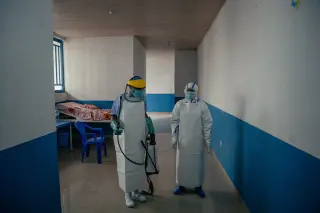
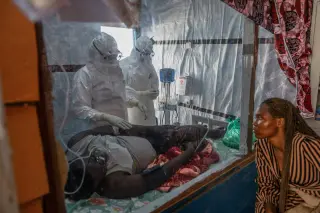
The article discusses the decline in global health funding and cooperation, highlighting how the Trump administration's cuts to foreign aid and withdrawal from organizations like the WHO have led to reduced efforts in disease containment and health initiatives worldwide, with broader implications for global health security.
The US Supreme Court allowed the Trump administration to continue freezing over $4 billion in foreign aid, despite legal challenges and dissent from liberal justices, as part of Trump's efforts to scale back US foreign aid programs, which has raised concerns about global health and development impacts.
The Supreme Court has permitted Trump officials to freeze billions of dollars in foreign aid, marking a victory for the administration's efforts to increase control over federal spending.
The Supreme Court, with a conservative majority, temporarily allowed President Trump to withhold $4 billion in foreign aid appropriated by Congress, citing executive flexibility in foreign affairs, while dissenting justices emphasized the importance of congressional authority and potential humanitarian impacts.
The Supreme Court approved the Trump administration's decision to withhold over $4 billion in foreign aid, allowing the administration to freeze the funds despite a previous court order for their release, citing presidential authority and the use of a rare budget maneuver called pocket rescission.