
Trump Ads Draw Bipartisan Fire as Funding Shifts from Border Security to Campaign Messaging
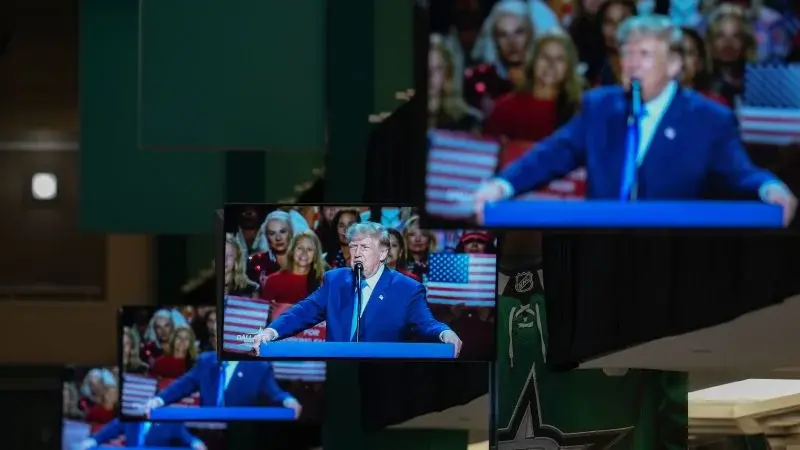
The Trump administration has aired at least 13 taxpayer-funded television ads promoting the president’s image and policies, drawing bipartisan criticism and legal challenges. While the White House defends the spots as patriotic public service announcements, Democrats argue they violate laws prohibiting federal funds for political propaganda. Recent records indicate the ads were financed by redirecting money from border security and officer memorials, while the FCC chair dismissed concerns as routine. Congressional leaders are now pursuing legislative and legal avenues to halt the spending ahead of the November midterms.
Key points
- The administration has produced at least 13 ads, some of which reuse footage from the 2024 presidential campaign, according to CNN and NBC News.
- Federal spending records show the ads were funded by redirecting $20 million from Customs and Border Protection and other security programs, per The Washington Post.
- FCC Chair Brendan Carr stated the ads do not merit regulatory review, calling them 'normal-course' public service announcements, while Democratic commissioner Anna Gomez expressed concern over the timing near the midterms.
- Senate Democrats introduced a bill to dock the Office of Management and Budget by $20 million for each violation of laws against political propaganda, led by Sen. Patty Murray.
- Representatives Jamie Raskin and George Whitesides have requested federal investigations into the source and total amount of taxpayer funds used for the ad blitz.
Background
This controversy follows a series of earlier reports in late September 2026 indicating that President Trump personally directed the production of these in-house advertisements. Previous coverage noted that the White House had already aired three distinct spots, including one featuring the song 'Love Me,' and that Sen. Cynthia Lummis blocked a Senate resolution condemning the practice. The current escalation involves formal legal challenges and new legislative proposals in response to the administration's continued use of federal funds for messaging that critics describe as campaign-style.
How outlets are covering it
Outlets highlight different aspects of the dispute. CNN and The Washington Post focus on the specific diversion of funds from border security and memorials to pay for the ads. NBC News emphasizes the regulatory response, noting FCC Chair Brendan Carr’s dismissal of the issue versus the concerns of Democratic commissioner Anna Gomez. Politico details the legislative countermeasures, such as Sen. Patty Murray’s proposal to penalize the budget office and Rep. Jamie Raskin’s call for a federal investigation. While the White House maintains the ads are patriotic, critics across the political spectrum, including some Republicans, argue the spending violates the Hatch Act and other laws against using public money for political purposes.
Why it matters
The use of federal funds for political messaging ahead of the midterms raises significant questions about the separation of government and campaign activities. If the spending is deemed illegal, it could set a precedent for future executive actions and impact the integrity of the upcoming elections. The legal and legislative battles surrounding these ads may also influence how Congress exercises its power of the purse in future budget negotiations.
What to watch
Congress is expected to continue debating the legality of the ads, with Democrats potentially using the issue to pressure Republicans in the midterms. The Government Accountability Office and the Office of Special Counsel are expected to review the requests for investigation. Additionally, the courts may rule on the various lawsuits filed by states and advocacy groups challenging the administration's use of 'pocket rescissions' and other budgetary tactics to fund these advertisements.
- ‘God made Trump’ ad and at least 12 others are part of controversial taxpayer-funded ad campaign CNN
- Top Democratic appropriator wants White House to pay for airing 'propaganda' - Live Updates Politico
- FCC head says government-funded Trump ads are ‘normal’ and ‘don’t raise any red flags’ NBC News
- Campaign-style Trump ads use money meant for border security, memorials The Washington Post
- Trump defends spending millions on taxpayer-funded promotional ads: 'For the country' ABC News - Breaking News, Latest News and Videos
Want the full story? Read the original reporting
Read on CNN