
Trump Blames 'Public Relations' for Economic Gripes as Midterms Loom
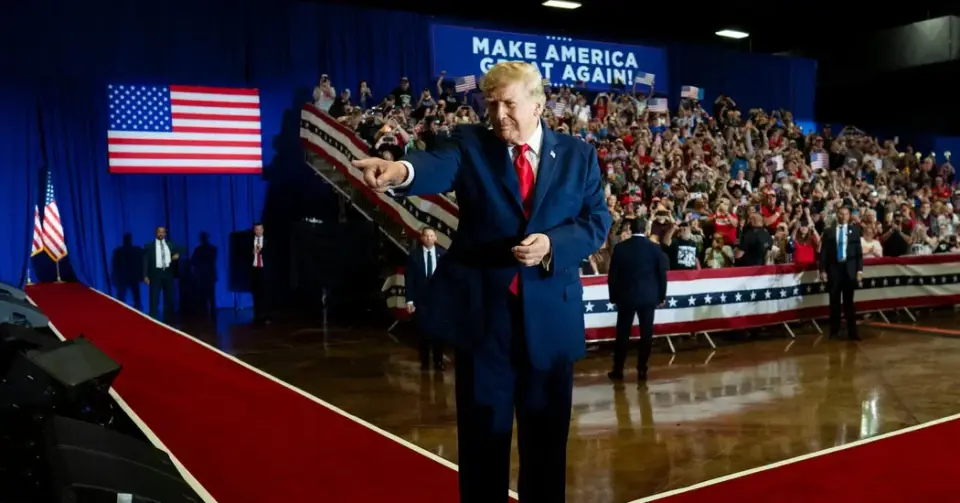
President Trump is intensifying campaign efforts to convince voters the U.S. economy is strong, despite persistent high prices and slow hiring. He attributes public dissatisfaction to poor messaging rather than economic reality, even as recent data shows wages lagging behind inflation. With midterms approaching, the administration is highlighting GDP growth and construction hiring, but faces a challenging task of countering widespread voter anxiety about financial stability.
Key points
- Trump claims the economy is robust but suffers from a 'public relations' problem, arguing that voters are misinformed about its strength.
- Recent jobs reports show cooling hiring overall and wages failing to keep pace with rising consumer prices, contradicting the administration's optimistic narrative.
- The White House, led by Kevin Hassett, projects 4% GDP growth, citing a surge in artificial intelligence investment, though economists expect a more modest 2% by year's end.
- Trump is actively campaigning in states like Alabama, Oklahoma, and Texas, attempting to shift blame for high prices away from his policies and toward external factors.
- Surveys indicate a majority of Americans feel gloomy about their finances and blame the president for economic troubles, posing a significant challenge for Republican candidates.
Background
This situation follows a period of rising fuel costs, with diesel prices hitting record highs in September 2026, prompting the administration to consider a 90-day export ban to lower prices. Gas prices have also climbed nationwide, with California leading at roughly $6.09 per gallon. These economic pressures have intensified ahead of the 2026 midterm elections, where Republicans had previously promised to address post-pandemic inflation through tax cuts and tariffs.
Why it matters
The disconnect between the administration's economic messaging and the lived experience of voters could significantly impact the outcome of the 2026 midterm elections. If Trump and his party fail to convince the public that the economy is improving, it may lead to a loss of control in the House and Senate, undermining the president's second-term agenda. The ongoing debate over whether high prices are due to external factors or domestic policy will be a central issue in the upcoming campaign.
What to watch
The next 31 days will be critical for the Trump administration as it attempts to reshape public perception of the economy. The release of further economic data, including jobs and inflation reports, will likely influence voter sentiment. Additionally, the administration may continue to highlight positive indicators like GDP growth and construction hiring while attempting to deflect blame for rising prices. The outcome of the midterm elections will hinge on whether voters accept the administration's narrative or remain focused on their financial struggles.
Want the full story? Read the original reporting
Read on The New York Times