
Brazil Launches Criminal Probe into US Election Interference as Vote Nears
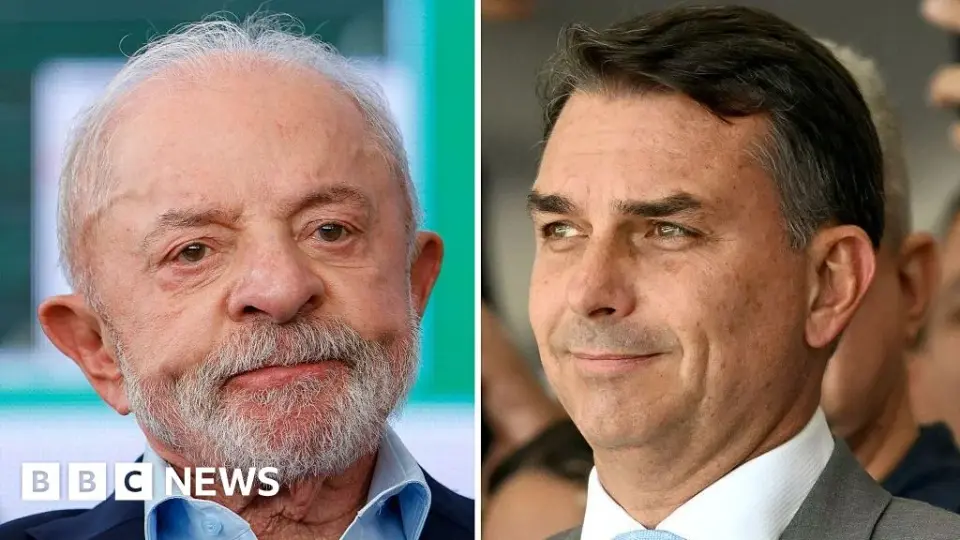
Brazil’s attorney general has initiated a criminal investigation into alleged US interference in the upcoming presidential election, following reports that the Trump administration sought to redirect $175 million from the State Department’s human rights fund to support far-right causes, including a $1 million grant targeting Brazil’s Supreme Court. With the election scheduled for October 4, Messias condemned the actions as an intolerable violation of sovereignty, while US Democrats have demanded assurances that Washington will respect the outcome.
Key points
- Brazil’s attorney general, Jorge Messias, has initiated a criminal investigation into alleged US interference in the upcoming presidential election.
- The probe follows reports that the Trump administration sought to redirect $175 million from the State Department’s human rights fund to support far-right causes, including a $1 million grant targeting Brazil’s Supreme Court.
- Messias condemned the actions as an intolerable violation of sovereignty, stating that foreign political interests cannot interfere in Brazilian institutions or influence the choices of the Brazilian people.
- The Trump administration has been accused of meddling in Brazilian affairs by using tariffs and the designation of two Brazilian organised crime groups as foreign terrorist organizations to boost Flávio Bolsonaro’s campaign and weaken Lula.
- Brazilian intelligence agencies have informed officials in France and Germany about interference by both the United States and Russia ahead of the vote, with US interference ranging from the use of the judicial system for political ends to openly acknowledged meddling.
Background
This development follows a series of escalating tensions between Washington and Brasília in the lead-up to the October 4 election. In early September, the US suspended consular services in Brazil, prompting Australia to close its embassy, amid disputes over security and alleged interference. Historians and Brazilian officials have noted that the US is reviving Cold War–style meddling tactics, including tariffs and visa denials, to tilt the contest toward Flávio Bolsonaro and weaken incumbent Luiz Inácio Lula da Silva. The current dispute also involves a recent scandal linking several judges, including Supreme Court justice Alexandre de Moraes, to Daniel Vorcaro, a banker at the center of Brazil’s biggest banking scandal, which has bolstered right-wing criticism of the judiciary.
How outlets are covering it
The BBC and The Washington Post frame the election as a choice between fear and familiarity, highlighting the unprecedented fourth term sought by 80-year-old Lula da Silva against Flávio Bolsonaro, a Trump ally. El País emphasizes the diplomatic nuances, noting that while Trump expressed sympathy for Lula, his administration has imposed tariffs and designated Brazilian criminal gangs as terrorist organizations, actions Lula’s government views as electoral interference. The Guardian focuses on the legal and institutional response, detailing the criminal complaint filed by the attorney general in response to the Guardian’s report on the $175 million fund redirection. While all sources agree on the existence of US pressure, they differ in emphasis: The Post and BBC focus on the voter sentiment and candidate dynamics, El País highlights the trade and diplomatic friction, and The Guardian centers on the judicial and financial mechanisms of alleged interference.
Why it matters
The outcome of the October 4 election could reshape global trade alliances and geopolitical alignments. A victory for Flávio Bolsonaro risks reversing environmental protections and aligning Brazil with US protectionism, potentially jeopardizing the recently provisional EU-Mercosur trade agreement. Conversely, a Lula win preserves current diplomatic ties but faces ongoing friction over agricultural quotas and antimicrobial standards. The criminal probe and diplomatic tensions underscore the broader implications of foreign interference in democratic processes and the potential for a shift in Brazil’s foreign policy orientation.
What to watch
The criminal investigation led by the Brazilian attorney general will determine the extent of alleged US interference and may lead to further diplomatic or legal actions. The October 4 presidential election will decide whether Brazil pivots toward Washington under Flávio Bolsonaro or maintains its European partnership under Lula. Additionally, the outcome of the election could influence the future of the EU-Mercosur trade deal and Brazil’s stance on environmental and trade issues. The US and Brazilian governments may engage in further diplomatic negotiations or confrontations depending on the election result and the findings of the criminal probe.
- Why has Brazil accused the US of election interference? BBC
- Four fears and frustrations that are shaping Brazil’s election. One is Trump. The Washington Post
- Trump says he is following Brazil’s elections ‘very closely’ english.elpais.com
- Brazil attorney general says meddling ‘cannot be tolerated�� after Trump funding plans revealed The Guardian
- Brazilian government calls for probe into US funding of far-right causes Al Jazeera
Want the full story? Read the original reporting
Read on BBC