
Trump cancels livestream of Hasan execution after bipartisan backlash and poll shows 80% opposition
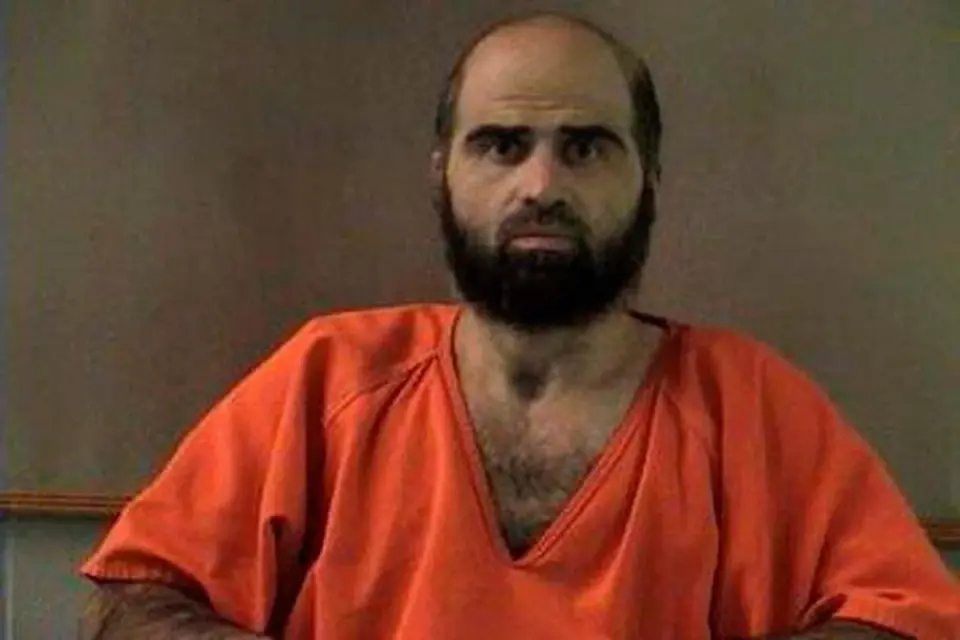
President Donald Trump cancelled the planned livestream of the firing squad execution of Nidal Malik Hasan, the former Army major convicted in the 2009 Fort Hood massacre. The decision followed intense bipartisan criticism and a poll showing 80% of Americans oppose broadcasting the event. Defense Secretary Pete Hegseth, who championed the broadcast, faced internal scrutiny over his political ambitions and controversial public persona. The execution remains scheduled for December 3, 2026, but without the public broadcast.
Key points
- President Trump cancelled the livestream of Nidal Malik Hasan’s execution on Thursday, reversing an earlier stance after facing bipartisan backlash.
- A Washington Post-ABC-Ipsos poll released on October 15 found that 80% of Americans oppose live-streaming the execution, while 53% support the use of a firing squad.
- Defense Secretary Pete Hegseth, who pushed for the broadcast, is facing scrutiny over his combative public image and potential 2028 presidential ambitions.
- The execution of Hasan, convicted for the 2009 Fort Hood massacre that killed 13 people, remains scheduled for December 3, 2026.
- Vice President JD Vance publicly expressed reservations about watching the broadcast, contributing to the administration’s decision to cancel the livestream.
Background
The controversy began in early October 2026 when the Department of Defense announced plans to livestream the firing squad execution of Nidal Malik Hasan, marking the first public military execution in the U.S. since 1937. The plan sparked immediate backlash from religious leaders, including Archbishop Timothy Broglio, and bipartisan lawmakers. Previous coverage noted that while President Trump initially expressed conditional support, he remained undecided as opposition grew. The current development represents the culmination of this debate, with the White House citing concerns that the footage could serve as propaganda for extremists and that Hasan is paralyzed, potentially making the broadcast a spectacle of torture rather than justice.
How outlets are covering it
The Independent highlights the perspective of Dr. Asim Qureshi, a death row lawyer with 18 years of experience, who argues the livestream was an attempt by the administration to display power and test societal boundaries. CNN emphasizes the political risks for Defense Secretary Pete Hegseth, noting that his push for the broadcast was viewed as a 'bridge too far' even for Trump, and that the cancellation may hinder his potential 2028 presidential run. The Washington Post focuses on public opinion, citing a poll that shows overwhelming opposition to the livestream across all political groups, while noting a slim majority supports the firing squad method itself. Outlets differ in emphasis: The Independent focuses on the ethical and legal implications, CNN on the political fallout for Hegseth, and The Washington Post on the public sentiment driving the decision.
Why it matters
The cancellation of the livestream underscores the limits of executive power in the face of public and bipartisan opposition. It highlights the tension between the administration’s desire to project strength and the broader societal consensus against state-sponsored spectacle. The episode also reveals internal divisions within the Trump administration, particularly regarding the political ambitions of Defense Secretary Pete Hegseth, whose controversial actions may jeopardize his future in politics. The decision sets a precedent for how the U.S. government handles high-profile executions and the role of public opinion in shaping policy.
What to watch
The execution of Nidal Malik Hasan remains scheduled for December 3, 2026, but without the public livestream. The administration may face further scrutiny over the handling of the case, particularly regarding the treatment of Hasan and the legal implications of the initial broadcast plan. Hegseth’s political future remains uncertain, with his combative style and controversial decisions potentially limiting his appeal to a broader electorate. The White House may also face pressure to address the concerns raised by religious leaders and victims’ families regarding the spectacle of the execution.
- I worked on death row for 18 years. This is why the livestream execution was cancelled The Independent
- Inside Hegseth’s political ambitions — and the risks threatening them CNN
- Hegseth's TV instincts backfire as Trump rejects execution livestream Reuters
- 8 in 10 Americans oppose live-streaming execution of Fort Hood shooter The Washington Post
- Trump cancels public execution, but a line may already have been crossed NPR
Want the full story? Read the original reporting
Read on The Independent