
Trump's Russian Diesel Waiver Sparks Bipartisan Backlash and Ukrainian Retaliation
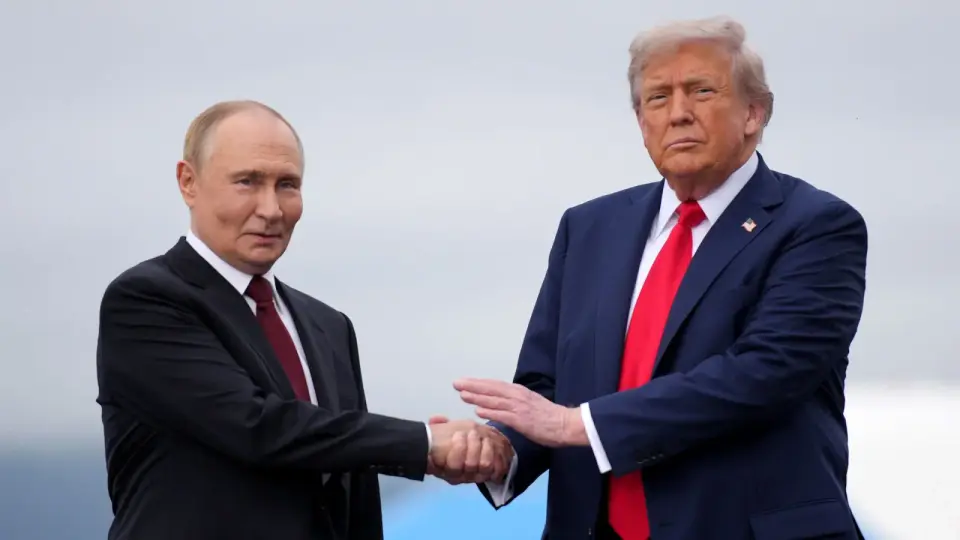
President Trump has temporarily eased sanctions on Russian diesel to lower global fuel prices and incentivize peace talks, but the move has drawn sharp criticism from Congress and Ukraine. While the White House argues the deal benefits American consumers, critics warn it undermines leverage over Moscow and funds the war. Russia has continued striking Ukrainian energy infrastructure, and Ukraine has resumed attacks on Russian refineries, signaling a breakdown in the proposed energy ceasefire.
Key points
- Treasury issued General License 135 on Oct. 9, allowing Russian diesel exports through April 7, 2027, following a Trump-Putin call.
- The deal involves phased shipments totaling up to 4.8 million metric tons, with initial volumes of 300,000 tons.
- Six Republican and six Democratic senators, plus 22 House members, urged Trump to revoke the waiver and implement new sanctions laws.
- Ukraine resumed strikes on Russian oil infrastructure after Russia failed to honor an energy ceasefire, while Russia intensified attacks on Ukrainian power grids.
- The Lindsey O. Graham Sanctioning Russia and Iran Act, signed Sept. 18, faces its first implementation deadline on Oct. 18.
Background
This dispute follows a series of diplomatic efforts in late 2026, including a Sept. 20 drone strike on a Moscow refinery and earlier warnings from European leaders about Russian escalation. Previous coverage noted that Trump’s pursuit of economic deals with Moscow had emboldened Russian aggression, while Ukraine faced severe financial strain. The current diesel waiver is part of a broader strategy to use economic incentives to pressure Putin into negotiations, a tactic previously criticized for contradicting the administration’s own sanctions framework.
How outlets are covering it
Fox News highlights the bipartisan opposition to the deal, noting that six Republican senators joined Democrats in calling it a 'betrayal' of allies, while emphasizing Trump’s defense that the fuel will lower global prices. AP News focuses on the congressional outrage and the legal conflict between the executive waiver and the new sanctions law. Both sources agree that Russia has not reciprocated with concessions, but Fox News places more weight on expert warnings that the move undermines US leverage, whereas AP emphasizes the legislative backlash. Energy analysts cited by both outlets dispute the deal’s impact on US prices, with one noting the volume is negligible compared to global demand.
Why it matters
The diesel waiver tests the effectiveness of economic incentives in ending the Ukraine war and risks deepening divisions between Washington and Kyiv. If the move fails to prompt Russian concessions, it could embolden Moscow to intensify military pressure while undermining the credibility of US sanctions. The upcoming Oct. 18 deadline for new sanctions adds urgency, as Congress seeks to reverse the waiver to maintain pressure on Moscow and support Ukraine’s defense.
What to watch
Congress may move to formally revoke the Treasury authorization, while the White House is expected to defend the deal as a necessary step to lower energy costs. Ukraine may continue targeting Russian energy infrastructure if Moscow does not halt attacks on Ukrainian power grids. The Oct. 18 deadline for implementing the Graham Act will be a key moment, as the administration must decide whether to prioritize sanctions enforcement or maintain the diesel waiver to preserve diplomatic channels with Russia.
- Trump tries different approach with Russia to bring Americans relief amid ongoing war with Ukraine Fox News
- Rubio says Trump to take up to 60 days to weigh Russia sanctions Reuters
- Trump’s decision to waive Russian sanctions outrages Congress, but no quick counter seen AP News
- Graham Breaks With Trump Over Russia Sanctions Law Her Brother Championed The New York Times
- Rubio defends Trump's indefinite suspension of Russia sanctions Yahoo
Want the full story? Read the original reporting
Read on Fox News