
Trump Concedes Iran War Continues as Midterm Pressure Forces Strategic Pause
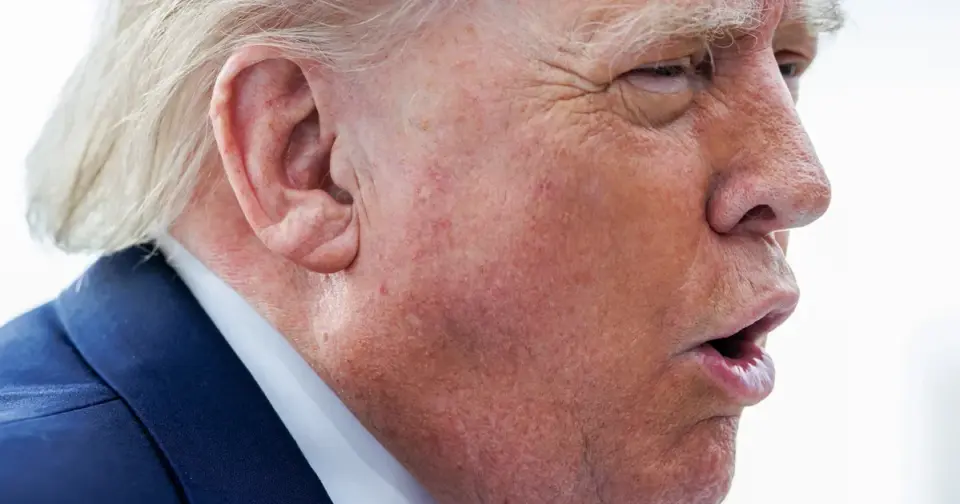
President Donald Trump has reversed his previous claims of victory, admitting the war with Iran remains ongoing. This shift coincides with rising domestic pressure from high fuel costs and Republican candidates urging an end to the conflict before the November 3 midterms.
Key points
- Trump stated on Monday that the war, which began seven months ago, is still active, contradicting dozens of prior declarations of victory.
- The U.S. president rejected Iran's seven-day proposal to reopen the Strait of Hormuz, while Iranian officials stated they have no plans to negotiate.
- Average U.S. gasoline prices reached $4.49 per gallon, up from $3.15 a year ago, driving inflation and voter dissatisfaction.
- Approximately 20 Republican candidates have called for an end to the war, citing economic damage and high costs for voters.
- Trump indicated he may delay a peace agreement until after the midterm elections, potentially using the conflict to influence the political landscape.
Background
The conflict began in March 2026, with Trump initially claiming a quick resolution. By September, the war had cost approximately $37.5 billion and resulted in significant U.S. casualties. Previous archive coverage noted Trump's inconsistent messaging, including claims that the war was over in March and later signals of a 'turning point' in September. The current admission of ongoing conflict marks a significant departure from his earlier rhetoric of total victory.
How outlets are covering it
HuffPost emphasizes the contradiction between Trump's current admission and his previous boasts of victory, highlighting the political motivation behind the shift. The Globe and Mail frames the situation as a rare instance where domestic elections directly influence foreign policy, noting that Trump may be holding the war in abeyance until after the midterms. CoinDesk focuses on the market impact, reporting that Bitcoin and Nasdaq futures declined as Trump left open the possibility of renewed strikes. The Guardian notes that while Trump claims he will win 'one way or another,' Iran has explicitly stated it has no plans to negotiate, creating a stalemate.
Why it matters
The ongoing conflict is driving up energy and food prices, contributing to inflation and eroding public support for the administration. With only 29% of Americans approving of Trump's foreign policy handling, the war has become a central issue in the midterm elections, potentially affecting the balance of power in Congress and limiting the president's future military options.
What to watch
Investors and policymakers are watching for signs of renewed military action or diplomatic breakthroughs before the November 3 elections. The U.S. is expected to release key inflation and employment data this week, which could further influence market volatility and political sentiment. Iran's refusal to negotiate and Trump's ambiguous stance on strikes suggest continued uncertainty in the coming weeks.
- Trump Is Finally Admitting His War Against Iran Is Not Over And He Has Not Won It HuffPost
- Trump says US will win Iran war 'very soon' Reuters
- Trump putting Iran war on hold until after midterm elections The Globe and Mail
- Bitcoin, Nasdaq futures decline as Trump won’t rule out more Iran strikes CoinDesk
- Trump doubles down on claims US will win war with Iran ‘one way or another’ as talks are in doubt – as it happened The Guardian
Want the full story? Read the original reporting
Read on HuffPost