
Trump defends 'friend' label for Putin amid European alarm and domestic backlash
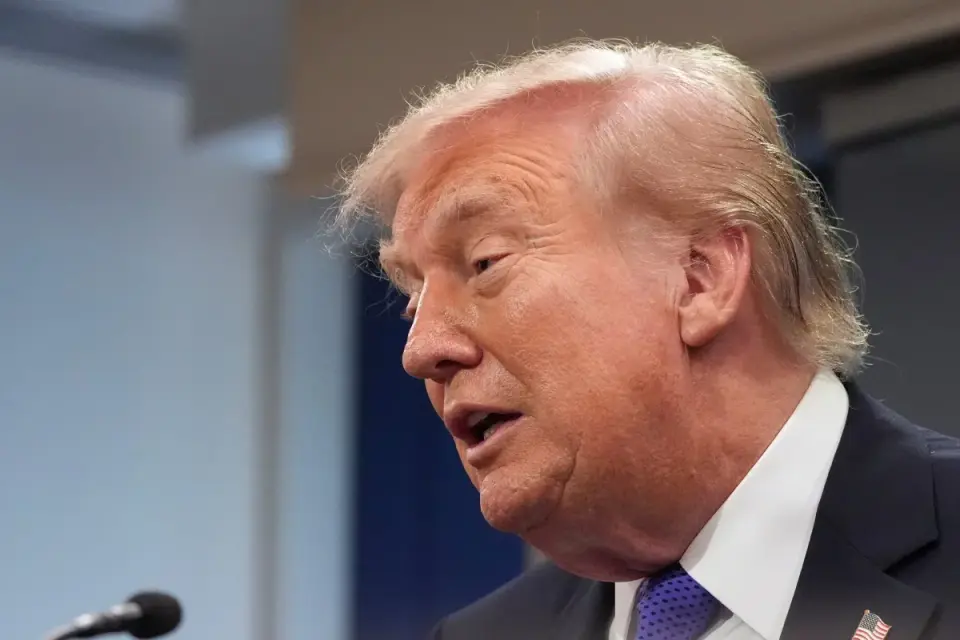
President Donald Trump defended his description of Russian President Vladimir Putin as a 'friend' during a White House news conference, insisting that personal relationships with world leaders are essential for peace. This stance follows a trilateral meeting in Shenzhen, China, where Trump greeted Putin warmly, sparking intense criticism from European allies and U.S. Democrats who view the gesture as legitimizing a leader accused of war crimes. While Trump claims Putin wants to end the war in Ukraine, European leaders expressed deep concern over the optics, and the U.S. administration emphasized that any peace deal would be negotiated in consultation with Ukraine and Europe.
Key points
- Trump stated he has a 'very good' personal relationship with Putin but refused to confirm if Putin is a friend to the United States, saying 'I can’t speak to America.'
- Secretary of State Marco Rubio defended the meeting, stating that relationships between heads of state are 'invaluable' and set the tone for diplomats and trade negotiators.
- European leaders, including Poland’s Prime Minister Donald Tusk and Germany’s Chancellor Friedrich Merz, expressed alarm, with Merz warning the meeting could resemble the 1945 Yalta Conference.
- The trilateral meeting in Shenzhen produced a joint declaration condemning the International Criminal Court but omitted any mention of Ukraine, despite the ongoing conflict.
- U.S. envoys Jared Kushner and Steve Witkoff assured European leaders in Berlin that any peace deal would be made in close consultation with Ukraine and Europe, contradicting fears of unilateral concessions.
Background
This incident follows a series of recent diplomatic interactions, including an August 2025 summit in Alaska and prior verbal exchanges where Trump had previously described Putin as a friend. The current tensions are exacerbated by the 2026 midterm elections, which resulted in a Democratic victory and a shift in congressional power, prompting Trump to seek international validation to counter domestic political setbacks. Additionally, the broader context includes ongoing concerns about U.S. tech policy and the administration’s handling of global security alliances, as seen in recent debates over AI chip shipments and defense spending.
How outlets are covering it
AP News and NBC News report that Trump doubled down on his comments, framing the relationship as a tool for peace, while European allies and U.S. Democrats viewed the 'friend' label as an embarrassment and a potential betrayal of NATO values. The New York Times highlighted the comedic and cultural backlash, with late-night hosts mocking the 'dim summit' and questioning the substance of the meeting. The Hill focused on the domestic political fallout, noting Hunter Biden’s condemnation of the move as a 'great betrayal' of allies. While the White House and State Department emphasized diplomatic necessity, critics argued the meeting legitimized a leader accused of war crimes and excluded Ukraine from key negotiations.
Why it matters
The 'friend' label signals a potential shift in U.S. foreign policy that could embolden Russia and undermine Western alliances. It raises questions about the administration’s commitment to NATO and the rules-based international order, particularly as Europe faces security threats from Russian aggression. The lack of substantive agreements from the Shenzhen summit, combined with the exclusion of Ukraine, suggests that diplomatic efforts may be prioritizing personal relationships over concrete peace outcomes, potentially destabilizing the current geopolitical balance.
What to watch
The White House is expected to continue emphasizing the importance of personal diplomacy, while European leaders will likely press for clearer assurances that Ukraine’s interests are protected in any future negotiations. The administration may face increased scrutiny from Congress, particularly from Democrats, over the lack of transparency in the Shenzhen talks. Additionally, the U.S. may need to address concerns from allies about the exclusion of Ukraine from high-level diplomatic discussions, potentially leading to further diplomatic friction within NATO.
- Trump defends calling Putin a friend but says he ‘can’t speak’ to whether he's a friend to the US AP News
- Jimmy Kimmel Recaps Trump’s ‘Big Dim Summit’ The New York Times
- Trump calling Putin ‘my friend’ at APEC summit sparks backlash NBC News
- Hunter Biden slams Trump for ‘great betrayal’ after calling Putin ‘friend’ The Hill
- Zelenskyy responds to Trump calling Putin his friend: "For us, he is an enemy and a killer" Українська правда
Want the full story? Read the original reporting
Read on AP News