
Trump faces strategic dilemma on Iran war after historic midterm defeat
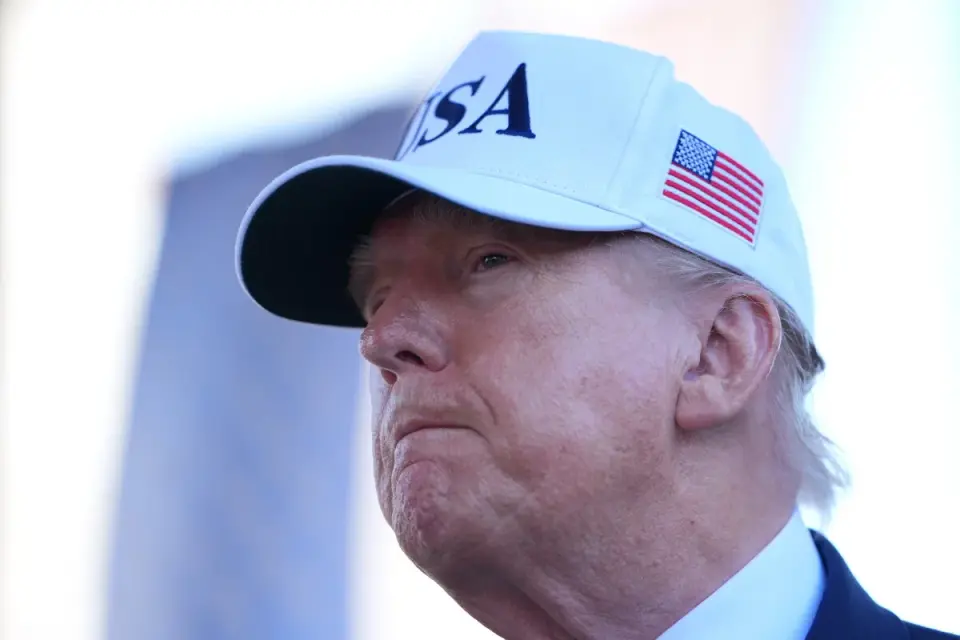
Following a devastating midterm loss, President Trump must decide whether to escalate the eight-month-old war with Iran or seek a diplomatic exit. While he publicly defends the conflict, analysts warn that renewed strikes could worsen global energy prices, a key driver of voter dissatisfaction. The administration is signaling potential aggression, but markets and regional officials remain cautious.
Key points
- Trump stated he would repeat the decision to launch the Iran conflict despite its political cost, calling it a 'little detour' that raised gas prices.
- The AP Voter Poll found that 60% of voters considered the military action a 'wrong decision,' though only one-third cited it as the 'crucial' factor in their vote, with cost of living ranking higher.
- Brent crude oil prices fell below $95 per barrel on Wednesday, reaching a two-month low, indicating markets do not expect immediate major strikes.
- Analysts suggest Trump may feel less politically constrained now that the election is over, potentially leading to more aggressive military options, including targeting underground nuclear facilities.
- Vice President JD Vance publicly blamed the war for the Republican defeat, stating, 'The reason we lost is the war,' marking a shift from Trump’s initial blame of his own candidates.
Background
The 2026 midterm elections resulted in a historic defeat for the Republican Party, with Democrats gaining control of the House and likely the Senate. This follows a period of intense campaigning where Trump framed the election as a referendum on his policies, particularly the Iran conflict. Previous coverage noted that Gulf leaders were bracing for renewed conflict and that Defense Secretary Pete Hegseth faced pressure to resign as a scapegoat for the war's unpopularity. The conflict began eight months ago and has caused tens of billions of dollars in regional damage, impacting global energy markets.
How outlets are covering it
Outlets diverge on the primary driver of the election loss. The AP and The New Yorker emphasize the Iran war’s role, with The New Yorker arguing it was part of a broader rejection of Trump’s policies, including tariffs and immigration. The AP notes that while the war was unpopular, cost of living was the top concern for voters. The Washington Post focuses on Trump’s immediate reaction, highlighting his retreat to the White House ballroom construction site and his dismissal of criticism, suggesting a disconnect between the administration and the electorate. The Guardian notes that Trump accepted the results but that his administration had previously attempted to sow doubt about the vote’s integrity. All sources agree that the conflict has had significant economic repercussions, with gas prices rising and global markets reacting to the uncertainty.
Why it matters
The outcome of the Iran conflict will directly impact global energy prices and geopolitical stability. If Trump escalates the war, it could lead to further economic inflation and regional instability, particularly in the Red Sea and Strait of Hormuz. Conversely, a diplomatic resolution could ease tensions but may be seen as a concession. The decision will also test the limits of presidential power in the face of a Democratic-controlled Congress, which may seek to constrain future foreign policy actions. The conflict’s resolution will influence global oil markets and the broader economic outlook, with significant implications for households and businesses worldwide.
What to watch
Trump is expected to announce his next move on the Iran conflict in the coming days. Analysts suggest he may maintain the current posture of 'defensive strikes' and naval blockades, or escalate by targeting underground nuclear facilities. The administration is signaling to Iran that its leverage will diminish post-election, but markets remain cautious. A Democratic-controlled Congress may attempt to constrain Trump’s foreign policy options, potentially leading to a standoff. Regional officials are monitoring for signs of escalation, while mediators are cautiously optimistic about finding a diplomatic pathway to resolve the conflict.
- After midterm loss, Trump is left to weigh his next move in Iran war that contributed to GOP debacle AP News
- Trump accepts election results as Republicans face midterm reckoning | First Thing The Guardian
- Donald Trump’s Repudiation, America’s Revenge in the Midterms The New Yorker
- After Election Day rout, Trump returns to the White House ballroom, his ‘safest place’ The Washington Post
- Beaten at home, Trump faces stark choice on Iran: deal or escalation Reuters
Want the full story? Read the original reporting
Read on AP News