
Trump greets Xi at Andrews as US-China trade truce extended to January
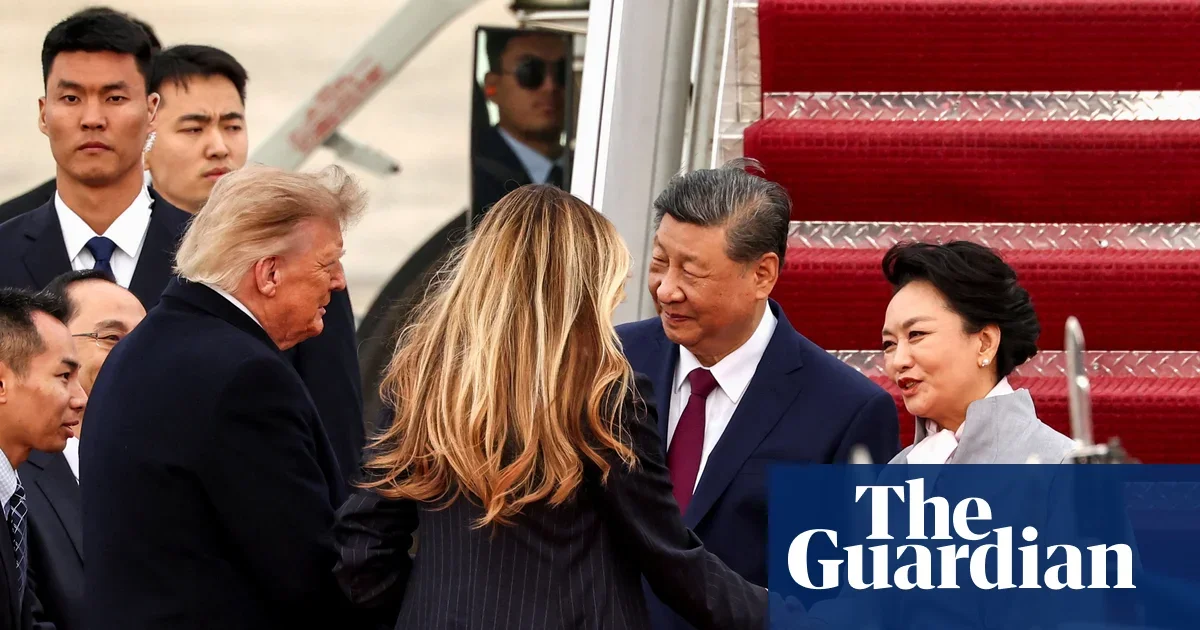
President Donald Trump broke protocol by welcoming Chinese President Xi Jinping at Joint Base Andrews, marking the start of Xi’s first US state visit since 2015. The visit coincides with an extension of the US-China trade truce until January 10, 2026. While the ceremony featured lavish military honors, the summit focuses on AI competition, trade stability, and geopolitical tensions, with analysts noting a shift toward more reciprocal leverage between the two powers.
Key points
- Trump and First Lady Melania Trump greeted Xi and his wife at the airport, a rare move typically reserved for the White House.
- Treasury Secretary Scott Bessent announced the extension of the 'Busan agreement' trade truce until January 10, 2026.
- The arrival ceremony included a 100-foot red carpet, B-1 bomber flyovers, and national anthems, though Trump visibly winced at the noise.
- A state dinner on Thursday will include tech leaders from OpenAI, Apple, and Nvidia, highlighting AI as a central agenda item.
- Xi’s visit aims to secure predictability in tech relations and prevent new US restrictions, leveraging China’s growing economic self-sufficiency.
Background
This visit follows a period of intense trade friction and a temporary truce reached in late 2025. Previous coverage noted China’s strategic use of rare-earth export controls and its growing technological independence, particularly in AI chips and electric vehicles. The current summit builds on a May 2026 meeting in Beijing where both sides agreed to maintain 'constructive strategic stability.'
How outlets are covering it
The Guardian emphasizes the ceremonial extravagance and Trump’s personal involvement, noting the unusual airport greeting. CNN highlights the shifted power dynamic, arguing China now arrives with greater confidence and leverage due to its tech advancements and global trade surplus. The Washington Post focuses on the symbolic nature of the gesture, contrasting it with past US protocols, and notes the logistical challenges of media coverage due to White House restrictions. All sources agree on the trade truce extension but differ on the underlying power balance: CNN and The Washington Post suggest a more equal footing, while The Guardian focuses on the diplomatic theater.
Why it matters
The extension of the trade truce and the high-level diplomatic engagement signal a temporary stabilization in US-China relations. However, the focus on AI and tech restrictions indicates that competition remains intense. The outcome of these talks will influence global supply chains, technological development, and geopolitical alliances, particularly regarding Taiwan and the Middle East.
What to watch
Substantive bilateral meetings are scheduled for Thursday and Friday, covering investment, AI regulation, and global competition. The leaders may meet again in November at APEC in Shenzhen and in December at the G20 in Miami. The trade truce is set to expire on January 10, 2026, making the next few months critical for long-term agreements.
- Trump greets Xi Jinping at plane as Chinese leader arrives for state visit theguardian.com
- A lot’s changed since Xi Jinping’s last US state visit. Mostly in China’s favor. CNN
- Warm welcome, trade truce extended: the takeaways as Xi arrives in US scmp.com
- Trump Greets Xi for State Visit Amid U.S.-China Tensions: Live Updates The New York Times
- Trump gives Xi Jinping rare airport welcome as summit visit begins The Washington Post
Want the full story? Read the original reporting
Read on theguardian.com