
Trump halts Russia sanctions two days before deadline, citing national interest
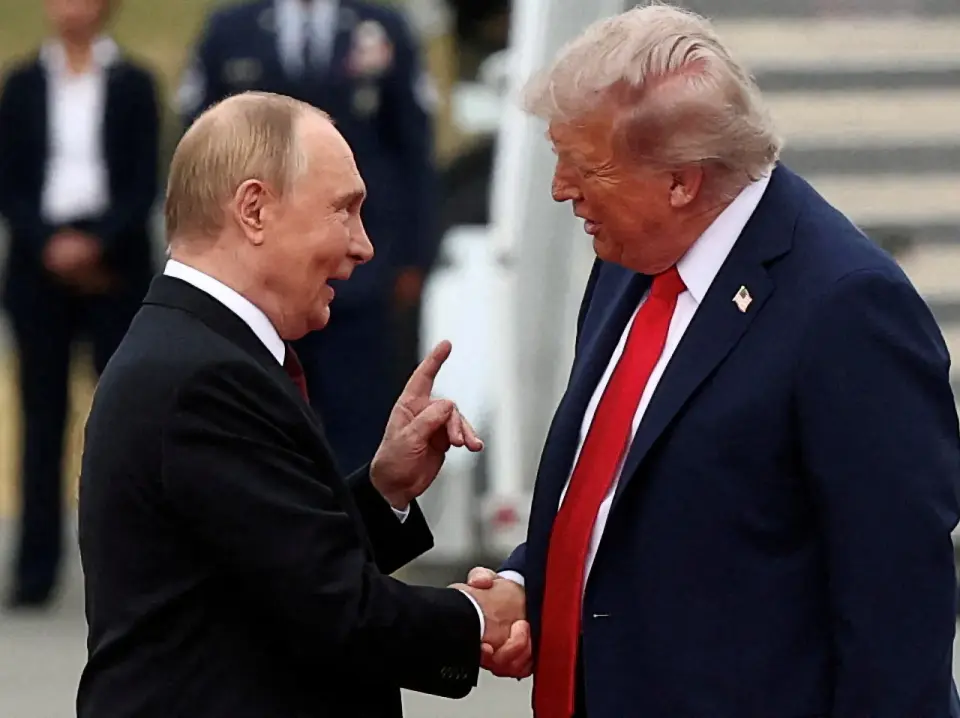
President Donald Trump signed an executive order on October 17, 2026, waiving new sanctions on Russia that were set to take effect on October 18. The move, which he claimed was in the US national interest, follows a controversial deal to purchase Russian diesel and intensifies tensions with Ukraine and Congress.
Key points
- Trump waived sanctions targeting Russian officials, banks, and a 'shadow fleet' of tankers, as well as potential 100% tariffs on top oil importers like China and India.
- The waiver comes two days before the deadline for the Lindsey O. Graham Sanctioning Russia and Iran Act of 2026, which Trump signed into law in September.
- The decision follows a week after Trump announced a deal to buy Russian diesel to lower global fuel prices, a move criticized by both parties for aiding Russia’s war effort.
- Ukrainian President Volodymyr Zelenskyy criticized the move, stating it would send cash back to Russia, while European leaders prepared a new 22nd package of sanctions against Moscow.
- Critics, including Senator Richard Blumenthal and Representative Don Beyer, argued the waiver betrays Ukraine and defies congressional intent, while Russian envoy Kirill Dmitriev called it a 'historic moment'.
Background
In September 2026, Trump signed the Lindsey O. Graham Sanctioning Russia and Iran Act, a rare bipartisan measure aimed at cutting off funding for Russia’s war on Ukraine. The law, named after Senator Lindsey Graham who died in July, granted the executive branch broad powers to impose tariffs on major importers of Russian energy. Recent weeks saw escalating tensions as Trump announced a diesel purchase deal with Russia, which critics argued violated previous sanctions and failed to lower US fuel prices significantly. This latest waiver occurs amid strained US-Ukraine relations, including disputes over intelligence sharing and Starlink satellite access, and ahead of the November 3 midterm elections where Trump’s approval ratings are low due to economic concerns.
How outlets are covering it
Al Jazeera emphasizes the legislative context, noting the law passed with large bipartisan margins and highlighting Ukrainian parliamentarian Oleksandr Merezhko’s hope that relations will improve after the midterms. The Guardian focuses on the diplomatic fallout, detailing Trump’s public criticism of Zelenskyy and the bipartisan letter from 20 lawmakers urging him to enforce the sanctions. CNN highlights the broader geopolitical impact, noting European allies are strengthening their own sanctions while Ukraine faces shortages of Patriot interceptor missiles. BBC provides a concise overview of the executive order’s timing and the specific targets of the waived sanctions, including China and India. All sources agree on the core facts but differ in emphasis: Al Jazeera and BBC focus on the legislative mechanics, The Guardian on the US-Ukraine rift, and CNN on the international and military consequences.
Why it matters
The waiver undermines a key tool for pressuring Russia to end its war on Ukraine, potentially prolonging the conflict. It also signals a shift in US foreign policy that prioritizes domestic economic concerns, such as fuel prices, over international alliances, risking further erosion of trust with European and Ukrainian partners. The move could embolden Russia and complicate future diplomatic efforts to resolve the war.
What to watch
The waiver will remain in effect until the Trump administration determines 'further action is appropriate.' Congress may attempt to override the executive order or pass new legislation to restrict the president’s ability to waive sanctions. European leaders are expected to announce a new 22nd package of sanctions against Russia. The November 3 midterm elections will likely influence the administration’s stance, with polls suggesting Republicans may lose majorities in Congress due to voter dissatisfaction with economic policies and foreign affairs.
- Trump puts on hold new Russia sanctions he signed into law Al Jazeera
- Trump pauses new Russia sanctions passed by Congress amid deepening row with Ukraine The Guardian
- Trump waives many Russian sanctions, tariffs under new law backed by Lindsey Graham Fox Business
- Trump waives Russia-related sanctions before they even kick in as Ukraine ties worsen CNN
- Trump waives several Russia sanctions as row with Zelensky intensifies BBC
Want the full story? Read the original reporting
Read on Al Jazeera