
Bipartisan Congress moves to block Trump’s Russian diesel deal as Ukraine faces intelligence cuts
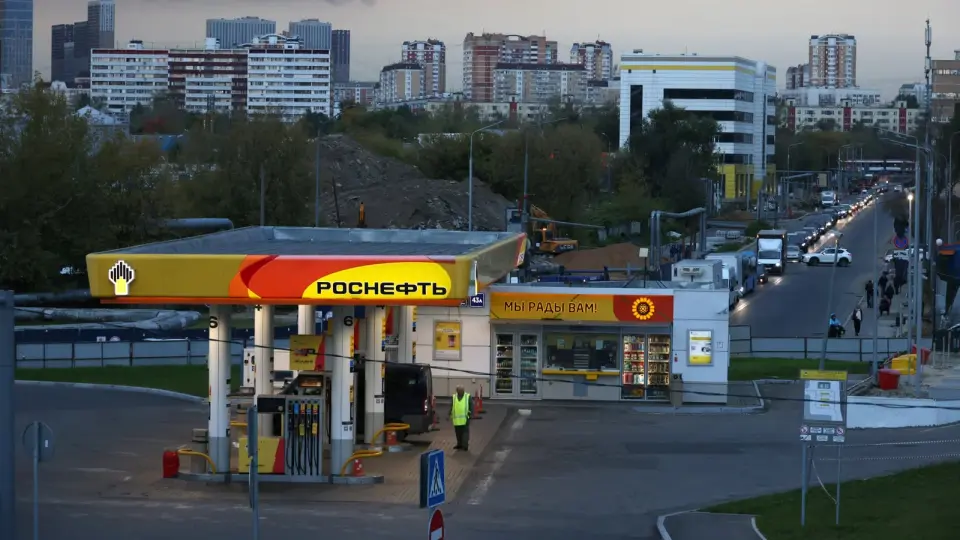
President Trump’s agreement to import Russian diesel to lower US fuel prices has triggered a bipartisan congressional backlash and deepened Ukraine’s strategic vulnerabilities. While the deal aims to curb inflation before the November midterms, experts argue it offers minimal economic benefit to Russia but significant political leverage, undermining Western unity. Simultaneously, US restrictions on Starlink military services have hampered Ukraine’s ability to defend against Russian drone and missile attacks, raising fears that Washington is using military support as leverage against Kyiv.
Key points
- Rep. Gregory Meeks introduced the 'Prohibit Corrupt Russia Oil Deals Act' to reverse Treasury licenses allowing Russian diesel imports through April 2027.
- The bill has 16 Democratic co-sponsors and Republican support, including Rep. Don Bacon, reflecting bipartisan opposition to the deal.
- Diesel prices are averaging $6.33 per gallon, but experts note the 4.8 million metric tons of Russian diesel is insufficient to significantly lower global prices.
- US restrictions on Starlink’s Starshield service have reduced Ukraine’s ability to shoot down drones and receive ballistic missile warnings, leading to civilian casualties.
- Ukrainian President Zelenskyy warned that easing sanctions on diesel sets a precedent for future concessions, potentially extending to banking and chemical industries.
Background
This development follows a series of recent shifts in US-Russia relations, including Trump’s October 16 executive order waiving the Lindsey O. Graham Sanctioning Russia and Iran Act. Earlier in October, a massive Russian strike left 600,000 Ukrainians without power, straining the 'energy ceasefire' Trump had announced. These moves occur amid broader European concerns over Russian hybrid warfare and NATO’s hesitation to invoke Article 5 due to uncertainty regarding US support.
How outlets are covering it
CNBC emphasizes the strategic and political implications for Ukraine, highlighting how the diesel deal and Starlink restrictions undermine Western unity and embolden Russian attacks. Experts cited by CNBC argue the deal provides negligible financial benefit to Russia but signals that Washington may prioritize domestic fuel costs over allied security. Politico focuses on the domestic political fallout, detailing the bipartisan legislative effort to block the deal and noting that diesel prices remain high despite the agreement. While both sources agree the deal is unpopular, CNBC stresses the military consequences for Ukraine, whereas Politico highlights the congressional pushback and the administration’s shifting messaging on the deal’s scope.
Why it matters
The conflict between US domestic energy priorities and allied security interests threatens to fracture the Western coalition supporting Ukraine. If Congress successfully blocks the diesel deal, it may signal a shift in US policy, but the immediate impact on Ukraine’s defense capabilities due to intelligence and communication restrictions remains severe. This episode tests the durability of US support for Ukraine as the war enters its fifth year and European nations struggle to develop independent military capabilities.
What to watch
Congress will debate the Meeks bill and potential legislation from Rep. Brian Fitzpatrick to block Russian oil purchases. The White House has not yet responded to CNBC’s requests for comment on Starlink restrictions. Ukraine will continue to assess the impact of reduced intelligence sharing on its defense operations, while European leaders may accelerate efforts to strengthen their own sanctions against Moscow to compensate for US policy shifts.
- Trump's Russia diesel deal may offer Putin more than money — and spell trouble for Ukraine CNBC
- House Democrat introduces bipartisan bill to block Trump’s Russian diesel deal Politico
- Trump Diesel Deal Faces Fresh Challenge in Congress Bloomberg.com
- Trump's diesel deal with Putin draws bipartisan criticism from a frustrated Congress PBS
- Zelenskiy blasts Trump's diesel deal and calls Russian peace moves a 'parody' Reuters
Want the full story? Read the original reporting
Read on CNBC