
Trump questions 2026 midterm integrity days after accepting Democratic victory
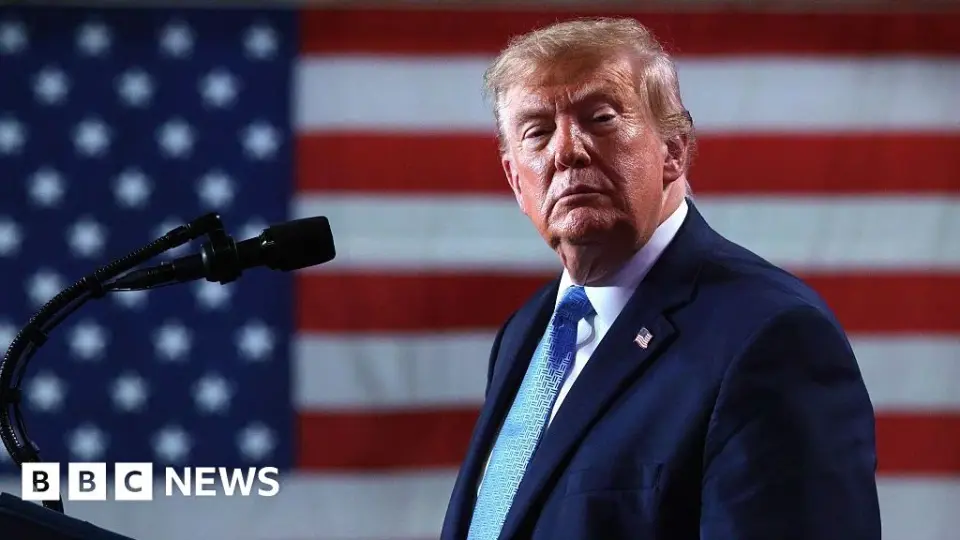
President Donald Trump questioned the legitimacy of the 2026 midterm elections on Monday, reversing his election-night acceptance of the results. Democrats secured majorities in both the House and Senate, with 54 Senate and 254 House seats. Trump cited vague claims about polling and voting machines on Truth Social, contradicting his earlier statements to CBS News and the New York Times. Experts and state officials reported smooth voting processes, attributing slow counts to standard procedures. Trump also blamed the Iran war and deportation policies for Republican losses, while acknowledging potential cooperation with the new Democratic majority.
Key points
- Trump posted on Truth Social questioning the honesty of the 2026 midterms, citing polling discrepancies and voting machines, days after accepting the results.
- Democrats won 54 Senate seats and 254 House seats, securing majorities in both chambers despite ongoing counts in Alaska and Mississippi.
- MIT political scientist Charles Stewart III stated vote reporting followed standard national patterns, with no evidence of widespread fraud.
- Trump blamed the Iran war and aggressive deportation policies for Republican losses, acknowledging in a CBS interview that the deportation policy might have been too tough.
- State and local officials reported mostly problem-free voting, with only minor administrative or weather-related delays in some jurisdictions.
Background
In late October, Trump conditioned his acceptance of the 2026 midterm results on the elections being 'honest,' as polls indicated a likely Democratic 'blue wave.' The Justice Department had filed lawsuits challenging vote certification in states like Alaska and Washington, though courts largely rejected these challenges. Prior to the election, Trump had spent months casting doubt on voting integrity, mirroring his 2020 election denial tactics, which led to federal charges that were later dismissed due to his reelection.
How outlets are covering it
BBC and Time Magazine highlight the sharp reversal in Trump's stance, noting his election-night acceptance of the results versus his Monday doubts. The Guardian emphasizes Trump's admission that deportation policies were too tough, contrasting this with his promotion of immigration hardliner Stephen Miller as chief of staff. All sources agree that state and local officials reported smooth voting processes, with experts attributing slow counts to standard procedures rather than fraud. Time Magazine draws parallels to Trump's 2020 election denial, noting the lack of evidence for current claims, while BBC focuses on the immediate political implications for the lame-duck period.
Why it matters
Trump's questioning of election integrity threatens to undermine public trust in the 2026 midterms and could fuel further political polarization. The Democratic majorities in Congress will likely face immediate legislative battles, including potential impeachment efforts against Trump administration officials. The administration's legal challenges and rhetoric may set a precedent for future election disputes, while the acknowledgment of policy failures like deportation and the Iran war could influence the 2028 presidential race.
What to watch
Counting in Alaska and Mississippi will continue, potentially affecting final Senate results. Trump is scheduled to meet with Qatar's prime minister to discuss ending the Iran war. Democrats in Congress will likely push for impeachment of Defense Secretary Pete Hegseth and other administration officials. The administration may continue to challenge election results legally, though courts have largely rejected such challenges so far.
- Trump questions elections integrity after previously accepting midterm results BBC
- Trump Casts Doubt on Midterm Election Results Time Magazine
- Midterms 2026 latest updates: Trump questions election results; Mississippi and Alaska Senate races still too close to call; House could vote to impeach Hegseth this week Yahoo
- Trump attempts to cast doubt on Democrats’ midterm election victory, questioning early vote numbers and ballot machines – live The Guardian
- Trump Veers Back Into Claims of Rigged Election, Questioning Midterm Results The New York Times
Want the full story? Read the original reporting
Read on BBC