
Trump seeks Supreme Court review of dismissed 2016 election lawsuit against Clinton
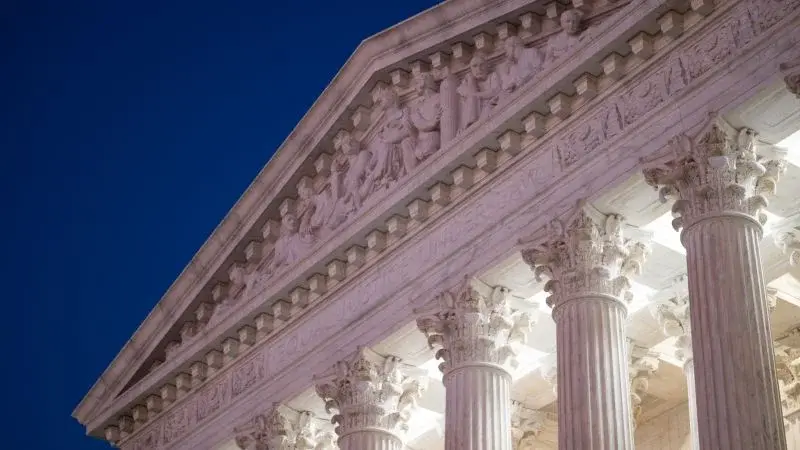
President Donald Trump has petitioned the US Supreme Court to revive a civil lawsuit he filed in 2022 against Hillary Clinton and other Democratic figures, alleging a conspiracy to undermine his 2016 campaign. The case was previously dismissed by lower courts as frivolous, resulting in nearly $1 million in sanctions against Trump's legal team. Trump's attorneys argue that his presidential duties justified delaying the filing until after his term, challenging the lower courts' rulings on statute of limitations and bad faith. The Supreme Court is expected to decide whether to hear the case later in 2026.
Key points
- Trump filed a civil racketeering lawsuit in 2022 against Hillary Clinton, the DNC, and others, claiming they conspired to falsely link him to Russia in 2016.
- A federal district court dismissed the suit, ruling it was filed too late and labeling it 'frivolous,' while also imposing nearly $1 million in sanctions on Trump's attorneys.
- The 11th US Circuit Court of Appeals largely upheld the dismissal last year, agreeing with the lower court's assessment of the case's inadequacy.
- Trump's appeal to the Supreme Court argues that his presidential responsibilities warranted postponing the lawsuit until after his term, challenging the lower courts' treatment of this delay as bad faith.
- The Supreme Court is expected to decide later in 2026 whether to grant certiorari and hear the case, which could set a precedent for presidential legal deadlines.
Background
This legal dispute stems from the 2016 presidential election, where Trump accused Clinton and Democratic officials of a conspiracy to undermine his campaign. The case has been ongoing since 2022, with lower courts consistently dismissing it as frivolous and imposing sanctions. The current appeal to the Supreme Court raises broader questions about whether a sitting president's duties can justify missing legal deadlines, a novel legal argument that could have implications for future presidential litigation. The archive articles provide background on Trump's ongoing legal battles and Clinton's public stance, but do not directly relate to this specific lawsuit.
Why it matters
The outcome of this case could have significant implications for the legal rights and obligations of sitting presidents, particularly regarding the timing of civil lawsuits. If the Supreme Court rules in Trump's favor, it could establish a precedent that presidential duties can justify delaying legal actions, potentially affecting future cases involving presidents or other high-ranking officials. Conversely, a ruling against Trump could reinforce the principle that legal deadlines must be adhered to, regardless of a president's duties. The case also highlights the ongoing tension between the executive branch and the judiciary, as well as the potential for political figures to use the legal system to advance their agendas.
What to watch
The Supreme Court is expected to decide later in 2026 whether to hear the case. If the court grants certiorari, it will likely schedule oral arguments in the following term, with a decision expected by the end of the term. The outcome could have significant implications for the legal rights of presidents and the timing of civil lawsuits, as well as the broader relationship between the executive branch and the judiciary.
Want the full story? Read the original reporting
Read on CNN