
Saphier's Vaccine Stance and Divestment Pledges Face Scrutiny in Surgeon General Hearing
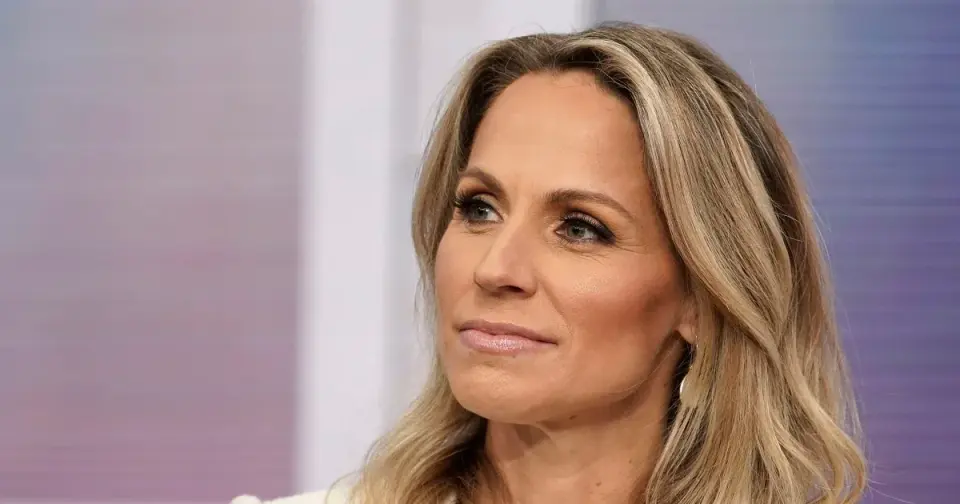
Dr. Nicole Saphier, President Trump’s third nominee for surgeon general, faced intense questioning at her Senate confirmation hearing regarding her stance on childhood vaccines and her business holdings. While she affirmed that vaccines do not cause autism and supported the MMR shot, she previously questioned the universal hepatitis B birth dose. Saphier pledged to divest from companies targeted by the administration’s 'Make America Healthy Again' initiative, including Coca-Cola and Pfizer, to address conflict-of-interest concerns. The position has been vacant throughout Trump’s second term, with previous nominees withdrawn over credential and policy disputes.
Key points
- Saphier stated she does not believe childhood vaccines cause autism and called the MMR vaccine a critical tool against measles, directly contradicting recent administration rhetoric.
- She acknowledged the universal hepatitis B birth dose is safe and effective, despite previously questioning its necessity, a stance that aligns with scientific consensus but contrasts with some administration goals.
- Saphier pledged to divest from stocks in Coca-Cola, Yum Brands, Hershey, and Philip Morris, as well as resign from her role at DropRx, a company producing unregulated herbal tinctures.
- The surgeon general role has been vacant for over a year, with Trump withdrawing previous nominees Janette Nesheiwat and Casey Means due to credential issues and stalled Senate votes.
- Republican Senators Bill Cassidy and Lisa Murkowski expressed optimism about Saphier’s nomination, noting the need for adequate leadership in health agencies.
Background
The surgeon general position has been vacant since the start of Trump’s second term. Previous nominees, Janette Nesheiwat and Casey Means, were withdrawn after facing scrutiny over academic credentials and vaccine views. The role serves as the nation’s primary public health communicator but carries limited policymaking power. Recent administration moves have sought to alter vaccine guidance, including spacing out MMR shots, which medical groups have warned could increase vaccine hesitancy.
How outlets are covering it
NBC News emphasized the tension between Saphier’s vaccine support and the administration’s skepticism, highlighting Cassidy’s pressure for clarity. CNN focused on the challenges of transitioning from a social media influencer to a government official, noting mixed public trust in influencer-driven health advice. Politico highlighted the bipartisan desire to fill the vacant role, with Republicans like Cassidy and Murkowski expressing support despite previous disagreements with the administration’s health policies. All sources noted Saphier’s pledge to divest from controversial holdings to mitigate conflict-of-interest concerns.
Why it matters
The confirmation of a surgeon general is critical for shaping public health messaging and trust, especially amid ongoing debates over vaccine safety and autism links. Saphier’s ability to balance scientific consensus with administration goals could influence public confidence in health guidance. Her background as an influencer and her business ties raise questions about potential conflicts of interest and the credibility of public health communications in the digital age.
What to watch
The Senate Health, Education, Labor, and Pensions Committee is expected to vote on advancing Saphier’s nomination, followed by a full Senate vote. If confirmed, she will need to navigate the tension between evidence-based public health messaging and the administration’s 'Make America Healthy Again' agenda. Her ability to maintain public trust while addressing vaccine hesitancy will be a key test of her effectiveness.
- Dr. Nicole Saphier, Trump’s surgeon general nominee, to face Senate grilling NBC News
- What a social media influencer turned surgeon general could mean for public health in the US CNN
- Trump surgeon general pick backs MMR vaccine, rejects link between childhood vaccines and autism Fox News
- Senators question Trump's picks for top health positions, including surgeon general NPR
- Republican senators warm to Trump’s surgeon general pick Politico
Want the full story? Read the original reporting
Read on NBC News