
Trump's 60-day pause on Russia sanctions sparks internal GOP rift
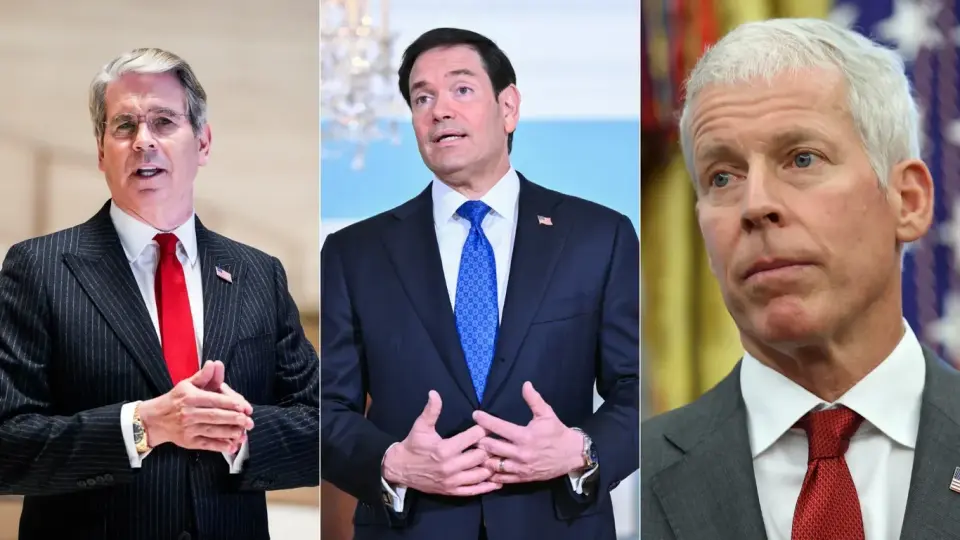
President Trump waived new sanctions and tariffs under the Graham Act to allow Russian diesel exports, citing high fuel prices. Administration officials framed the move as a 60-day pause to assess global economic impacts, while critics called it a betrayal of sanctions. The decision has deepened divisions within the Republican Party ahead of the midterms.
Key points
- Trump signed an executive order waiving provisions of the Graham Act, which would have imposed sanctions on Russia and tariffs on major buyers like China and India.
- Treasury Secretary Scott Bessent stated no sanctions were lifted, framing the action as a 60-day assessment period to analyze global economic consequences.
- Energy Secretary Chris Wright described the waiver as an incentive for Russia to reduce conflict with Ukraine, while Secretary of State Marco Rubio argued the diesel would have been sold regardless.
- Bessent accused European allies of refusing to join the US in imposing secondary tariffs on India and China for buying Russian oil.
- The waiver avoids immediate pressure on China and India, major purchasers of Russian energy, allowing time for trade negotiations.
Background
This follows a series of disputes over a US-Russia deal to import up to 4.8 million metric tons of diesel to combat soaring US fuel prices, which reached $6.28 per gallon. Previous coverage highlighted bipartisan opposition, with twelve senators urging rescission of the deal, and a split in the Republican Party as some members criticized the move as funding Russia's war effort. Ukrainian drone strikes on Russian refineries had previously hindered diesel exports, complicating the energy market.
How outlets are covering it
Axios highlights the internal contradiction within the administration, noting that Energy Secretary Chris Wright framed the waiver as a 'carrot' to end the war, while Secretary of State Marco Rubio argued the diesel would have been sold anyway. AP News focuses on the broader congressional outrage, emphasizing the bipartisan backlash against the waiver. The Times of India adds a diplomatic dimension, reporting Bessent's accusation that European allies refused to join the US in imposing tariffs on India and China, and noting Rubio's defense of India's energy needs. All sources agree that the move has intensified Republican divisions ahead of the midterms, with figures like Sen. Thom Tillis and Sen. John Cornyn sharply criticizing the White House.
Why it matters
The waiver sets a precedent for using sanctions as a flexible tool in energy diplomacy, potentially weakening pressure on Russia and its allies. It also risks alienating key allies like India and China, complicating US trade and security strategies. Domestically, the split within the Republican Party could impact midterm election outcomes, as voters and lawmakers grapple with the balance between energy price relief and geopolitical principles.
What to watch
The administration will use the 60-day window to assess the global economic impact of potential sanctions and tariffs. Congress may push for a classified briefing or further legislative action to reinstate the Graham Act provisions. The outcome will depend on ongoing negotiations with China and the trajectory of the Russia-Ukraine conflict, including any changes in Russian diesel exports or Ukrainian refinery strikes.
- Wright calls Trump's diesel deal a peace incentive. Rubio says Russia would sell anyway. Axios
- Graham Breaks With Trump Over Russia Sanctions Law Her Brother Championed The New York Times
- Trump’s decision to waive Russian sanctions outrages Congress, but no quick counter seen AP News
- Rubio says Trump to take up to 60 days to weigh Russia sanctions Reuters
- Russia Ukraine War: US says Europe refused to join push for tariffs on India, China over Russian oil The Times of India
Want the full story? Read the original reporting
Read on Axios