
Conservative Backlash and Diplomatic Fallout Erupt Over Trump's Russian Diesel Sanctions Waiver
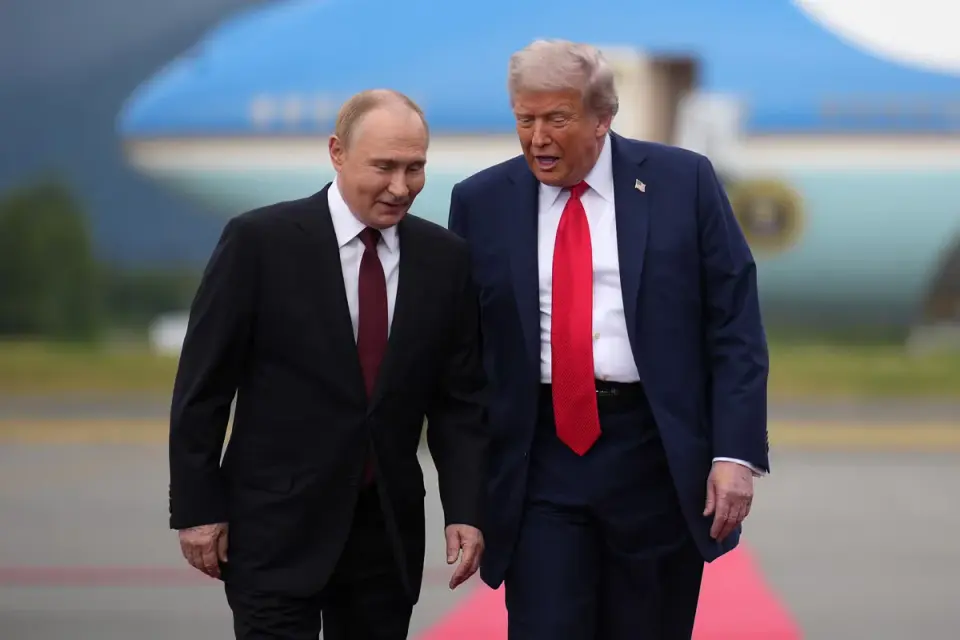
President Donald Trump’s executive order waiving sanctions on Russian diesel exports has triggered severe political backlash and diplomatic strain. While the administration frames the move as a strategic 'carrot' to end the war in Ukraine, critics argue it rewards Moscow without securing concessions, undermining Western unity and leaving Kyiv vulnerable to intensified Russian attacks.
Key points
- Trump signed an executive order waiving recent sanctions on Russia to allow the export of 4.8 million metric tons of diesel, aiming to lower global fuel prices ahead of the November midterms.
- Energy Secretary Chris Wright defended the deal on ABC and CNN, stating it pressures Russia to reduce its war efforts to generate enough diesel for export, rather than providing an economic lifeline.
- Conservative commentator Andrew McCarthy and Republican Senator Thom Tillis condemned the move, with McCarthy labeling it 'treason' and Tillis calling it 'beyond irresponsible' and a capitulation to a dictator.
- Ukrainian President Volodymyr Zelenskyy warned that the sanctions waiver sets a dangerous precedent for further concessions, while noting that reduced US intelligence sharing and Starlink restrictions have already hampered Ukraine's air defense.
- Experts from CNBC and the NEST Centre argue the deal offers minimal financial benefit to Russia but significant political gains, reinforcing Moscow's belief that Western pressure will yield concessions without requiring compromises on Ukraine.
Background
This controversy follows a series of escalating tensions in late October 2026, including Pope Leo XIV’s direct appeal to Putin for humanitarian aid in Oleshky and Zelenskyy’s warnings about potential US intelligence cuts. The current sanctions waiver is part of a broader 'energy ceasefire' framework that has already drawn criticism from within the Republican party, marking a significant shift in US-Russia-Ukraine dynamics as the war enters its fifth year.
How outlets are covering it
The Independent and Business Insider highlight the sharp internal Republican revolt, with figures like Andrew McCarthy and Senator Thom Tillis accusing Trump of 'treason' and 'capitulation' to Putin. In contrast, Politico and Business Insider report on the administration’s defense, with Energy Secretary Chris Wright framing the diesel deal as a necessary 'incentive' to end the war, arguing that other diplomatic attempts had failed. CNBC provides a more analytical perspective, noting that while the deal’s financial impact on Russia is marginal, its political implications are severe, potentially undermining Western unity and emboldening Moscow. The sources diverge on the efficacy of the 'carrot' approach, with critics viewing it as a betrayal of Ukraine and supporters seeing it as a pragmatic tool for peace.
Why it matters
The sanctions waiver and accompanying intelligence restrictions have directly impacted Ukraine’s ability to defend against Russian drone and missile attacks, leading to civilian casualties. The move also risks inflating global energy prices, affecting the US economy ahead of the midterm elections, and could set a precedent for further concessions to Russia, potentially altering the trajectory of the five-year war and Western alliances.
What to watch
The administration will likely face continued scrutiny from both parties as the diesel exports proceed, with the sanctions waiver set to remain in effect until April 2027. Ukraine may seek to accelerate its development of alternative military technologies to reduce dependence on US intelligence and Starlink services. The political fallout could influence the November midterm elections, with voters weighing the impact of high fuel prices against the administration’s peace efforts.
- Trump shredded by leading conservative for ‘giving aid and comfort’ to Putin as Republicans revolt over Ukraine The Independent
- Wright defends Trump’s Russian diesel deal as ‘carrot’ for peace Politico
- Trump's decision to import Russian diesel is an 'incentive to end the war,' energy secretary says Business Insider
- Trump's Russia diesel deal may offer Putin more than money — and spell trouble for Ukraine CNBC
- Turkey will get some diesel from US-Russia supply deal, energy minister says Reuters
Want the full story? Read the original reporting
Read on The Independent