
Record King Tides Submerge South Florida Streets, Exposing Infrastructure Failures
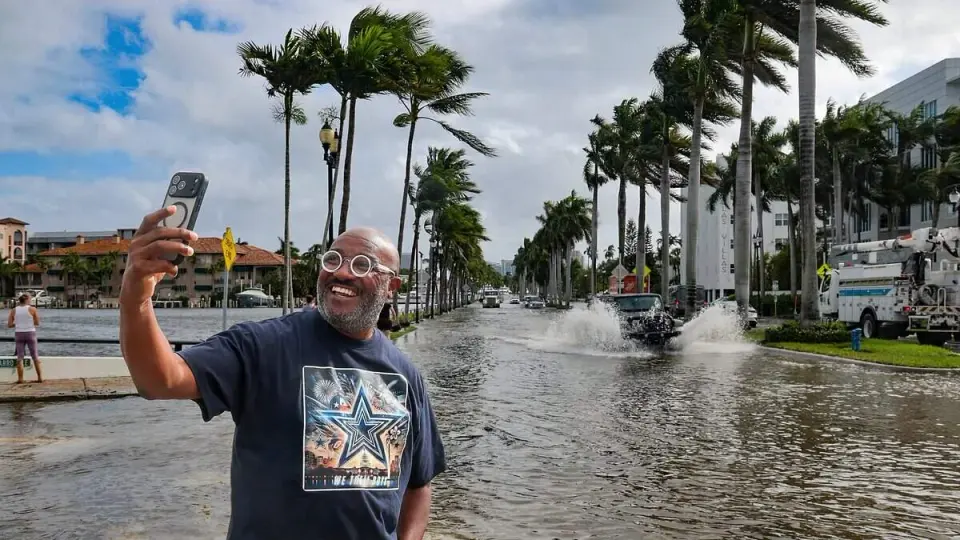
On October 27, 2026, South Florida experienced its highest recorded king tide outside of a hurricane, with water levels reaching 2.5 feet above high tide in Miami and Fort Lauderdale. The event, intensified by onshore winds and a low-pressure system, submerged major roads, closed bridges, and overwhelmed aging drainage infrastructure. While the tides are natural, experts link the record-breaking intensity to rising sea levels, which have increased by 8 inches since 1994. The flooding exposed critical gaps in flood control systems, including failed barriers in Miami Shores, and highlighted the urgent need for infrastructure upgrades as sea levels are projected to rise by up to six feet by 2100.
Key points
- Miami and Fort Lauderdale recorded 2.5 feet of water above high tide, the highest non-hurricane level since gauges were installed in 1994 and 2018, respectively.
- The Las Olas Bridge in Fort Lauderdale was shut down due to flooding, causing severe traffic jams and forcing residents to walk through waist-deep water.
- Flood control barriers in Miami Shores, Little River, and North Miami Beach failed, allowing water to flow backward into canals instead of draining to Biscayne Bay.
- The South Florida Water Management District’s $150 million federal funding for infrastructure repairs was reinstated in 2026 after being cut in 2025, but projects are still in the permitting phase.
- Residents in Miami Beach, including those on Crespi Boulevard, reported water reaching their doorsteps, with some walking barefoot through flooded streets to reach their vehicles.
Background
This event follows a series of record-breaking king tides in 2026, including a September event that set records at Port Everglades and a late October event that impacted both Florida and California coasts. The current flooding is part of a broader trend of increasing coastal inundation linked to sea level rise, which has risen by 8 inches in Miami since 1994. Previous coverage noted that while king tides are predictable, their intensity is amplified by climate change, making them a preview of future flood conditions.
How outlets are covering it
The Miami Herald and Tampa Bay Times emphasize the record-breaking nature of the tides and the failure of existing infrastructure, citing Brian McNoldy of the University of Miami, who described the event as the highest king tide ever recorded. WPEC focused on the visual impact in West Palm Beach, highlighting luxury vehicles submerged in floodwaters, while WKMG reported on beach erosion and flooding in Central Florida, particularly in Brevard and Volusia counties. Serena Hoermann of Florida Atlantic University noted that Florida is still in a 'reactive state' regarding sea level rise, despite spending hundreds of millions on mitigation efforts. All sources agree that the event underscores the inadequacy of current infrastructure to handle rising seas.
Why it matters
The flooding highlights the immediate and long-term risks posed by sea level rise to South Florida’s infrastructure, economy, and residents. The failure of flood control barriers and the need for costly upgrades underscore the urgency of addressing climate change impacts. As sea levels are projected to rise by up to six feet by 2100, the event serves as a stark reminder of the need for proactive measures to protect communities and assets.
What to watch
The South Florida Water Management District is negotiating grant agreements for $150 million in federal funding to repair and upgrade flood control infrastructure. The current king tide period is expected to continue through November 12, with gradual improvement forecast for the holiday weekend. Residents are urged to avoid flooded roads and monitor local advisories for potential further flooding.
- ‘Highest king tide ever’ swamps South Florida and exposes danger of sea rise Miami Herald
- ‘Highest king tide ever’ swamps South Florida, exposes danger of sea rise Tampa Bay Times
- Corvette, Ferrari take baths as king tides flood West Palm Beach, Lantana WPEC
- Flooding, beach erosion: Here’s how king tides are affecting Central Florida WKMG
- Bryan Norcross: An extra-high King Tide arrives as the tropics die down FOX Weather
Want the full story? Read the original reporting
Read on Miami Herald