
Trump’s $5,000 'Dividend' Sparks Debate Over Funding and Feasibility
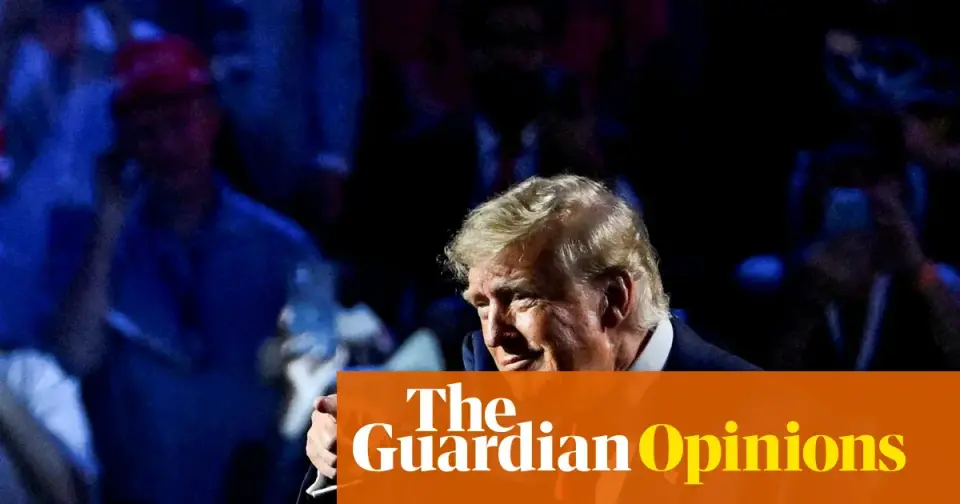
President Trump has proposed a $5,000 'dividend' for all US adults if Republicans retain control of Congress in the November midterms. While the administration claims the funds will not come from taxpayers, critics argue the plan is fiscally irresponsible and constitutionally dubious. The proposal has drawn sharp criticism from Fox News host Jesse Watters, who compared the offer to 'enticement,' a comment that drew widespread backlash for its misogynistic framing.
Key points
- Trump pledged a $5,000 payment to every adult American if Republicans win the midterms, a move critics call a bribe.
- Commerce Secretary Howard Lutnick stated the funds would not come from taxpayer dollars, citing the Trump Platinum Card and Intel stock gains as potential sources.
- Vice President JD Vance suggested tariff revenues could cover the cost, though economists note this is insufficient.
- The plan would cost over $1 trillion, a significant burden given the US national debt recently surpassed $40 trillion.
- Fox News host Jesse Watters compared the offer to 'enticement,' a metaphor that drew criticism for its misogynistic implications.
Background
This proposal follows earlier promises by Trump and Elon Musk regarding 'Doge dividends' and 'tariff dividends' that have not materialized. The US national debt recently exceeded $40 trillion, and the annual budget deficit is nearing $1.8 trillion. Trump’s approval rating for his handling of the economy is low, with recent polls showing 32% approval and 52% disapproval regarding inflation and cost of living.
How outlets are covering it
The Guardian frames the proposal as a desperate and reckless attempt by a president with plummeting approval ratings to sway voters, highlighting the misogynistic commentary from Fox News host Jesse Watters. NBC News focuses on the administration’s claims that the funds will not come from taxpayers, citing Lutnick’s references to the Trump Platinum Card and Intel stock gains, while noting the conflicting explanations from Vance and Hassett. The Atlantic argues the plan is fundamentally unserious and constitutionally dubious, questioning why the checks are contingent on an election outcome if Trump claims he can distribute them without congressional approval.
Why it matters
The $5,000 'dividend' proposal highlights the tension between populist promises and fiscal reality in US politics. It raises concerns about the sustainability of the national debt and the potential for electoral manipulation. The controversy also underscores the ongoing debate over the role of media in framing political narratives, as seen in the backlash against Watters’ comments.
What to watch
The administration has not provided a detailed plan for funding the checks, and the proposal remains contingent on the outcome of the November midterms. Economists and political analysts will likely continue to scrutinize the feasibility and constitutionality of the plan. The midterm elections will be a key test of whether such populist promises can translate into electoral success.
- Why is Trump’s $5,000 offer to voters ‘like a woman’? Ask Fox News | Arwa Mahdawi The Guardian
- Lutnick says Trump’s $5,000 checks for Americans wouldn’t rely on taxpayer funds NBC News
- Trump Will Never Mail the $5,000 Checks The Atlantic
- Live updates: Trump visits Ireland, the debate over 5K dividends heats up The Hill
- Trump’s Convention Promises Face Tough Road Even If GOP Wins Bloomberg.com
Want the full story? Read the original reporting
Read on The Guardian