
Trump's Election Night Grief: From Denial to Acceptance After Historic Democratic Sweep
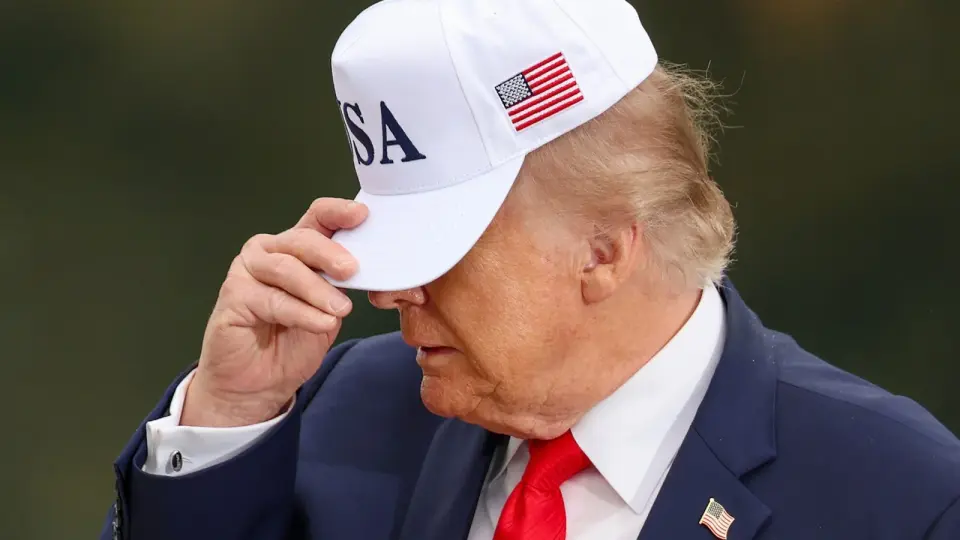
Donald Trump experienced a rapid progression through the five stages of grief during the 2026 midterm elections, moving from denial to acceptance as Democrats achieved a historic sweep of Congress. The president initially blamed Fox News and weak candidates for the losses but eventually conceded defeat, stating he would work with the new Democratic majority rather than veto all legislation. The election marked a massive rejection of the administration, with Democrats winning over 250 House seats and at least 55 Senate seats, including flips in traditionally Republican states like Texas and Kansas.
Key points
- Democrats won a historic majority in both the House (over 250 seats) and the Senate (at least 55 seats), flipping key states including Texas, Kansas, and Maine.
- Trump initially denied the results, blaming Fox News polling and weak Republican candidates, but later accepted the outcome in interviews with Politico and Fox News.
- Voter dissatisfaction was driven by high inflation, the unpopular Iran war, and a shift among Hispanic and Black voters away from the Republican party.
- Trump stated he would not spend two years vetoing everything, signaling a willingness to work with the incoming Democratic Congress despite his initial anger.
- The election is viewed as a referendum on Trump's second term, with voters citing cost of living and corruption as primary concerns.
Background
This election follows a period of rising inflation and an unpopular war with Iran launched in February 2026. Previous archive coverage noted that Steve Bannon expressed shock over the collapse of male voter support for Republicans and warned of internal party conflict. The 2026 midterms are being compared to historic shifts in 1974 and 1994, where the party in power suffered massive losses due to public dissatisfaction. Trump had previously urged voters to 'pretend' he was on the ballot, a strategy that appears to have backfired as his approval ratings fell even among some Republican voters.
How outlets are covering it
Rolling Stone frames the event as a psychological journey for Trump, detailing his transition from denial to acceptance over a single night. BBC attributes the loss to five specific factors: soaring cost of living, the Iran war, disciplined Democratic messaging, Trump's unpopularity, and a demographic shift among Hispanic and Black voters. The Guardian, via Robert Reich, argues the election was driven by anti-establishment populism against corporate influence and crony capitalism, rather than just economic issues. AP News highlights the referendum nature of the vote, noting that 70% of voters want more checks on the presidency and that the election may signal a shift in party identity for Democrats. While all sources agree on the scale of the Democratic victory, they differ on the primary cause: BBC and AP emphasize economic and war-related dissatisfaction, while The Guardian focuses on a broader anti-corporate sentiment.
Why it matters
The Democratic control of both chambers of Congress will significantly limit President Trump's legislative power, potentially leading to investigations and blocked executive actions. The historic nature of the loss, including flips in deep-red states, suggests a fundamental shift in the American political landscape. The outcome may influence the 2028 presidential cycle and the direction of the Democratic party, with debates over whether to pursue progressive policies like Medicare for All or moderate reforms. The election also highlights the volatility of voter demographics, particularly among Hispanic and Black voters who previously supported Trump but shifted to Democrats in 2026.
What to watch
Democrats will focus on governance and delivering on economic promises, while Trump has indicated he will work with the new Congress rather than veto all legislation. The Republican party faces internal conflict and potential legal scrutiny for its officials. The 2028 presidential election is likely to be a 'populist doozie' as both parties grapple with the new political reality. Trump may continue to blame candidates and media, but his acceptance of the results suggests a shift in strategy. The Democratic party will debate its identity, with progressives and moderates vying for influence over the party's direction.
- Trump’s Bizarre Journey Through the Stages of Grief as Democrats Dominated the Midterms Rolling Stone
- Five reasons why Republicans lost so badly BBC
- The great sleeping giant of America has awakened | Robert Reich The Guardian
- Takeaways: Voters punish Trump, and the GOP suffers historic losses AP News
- Opinion | Trump Has Been Thumped. That Doesn’t Make Him Any Less Dangerous. The New York Times
Want the full story? Read the original reporting
Read on Rolling Stone