
Federal courts block Trump’s mail ballot overhaul as legal battles intensify
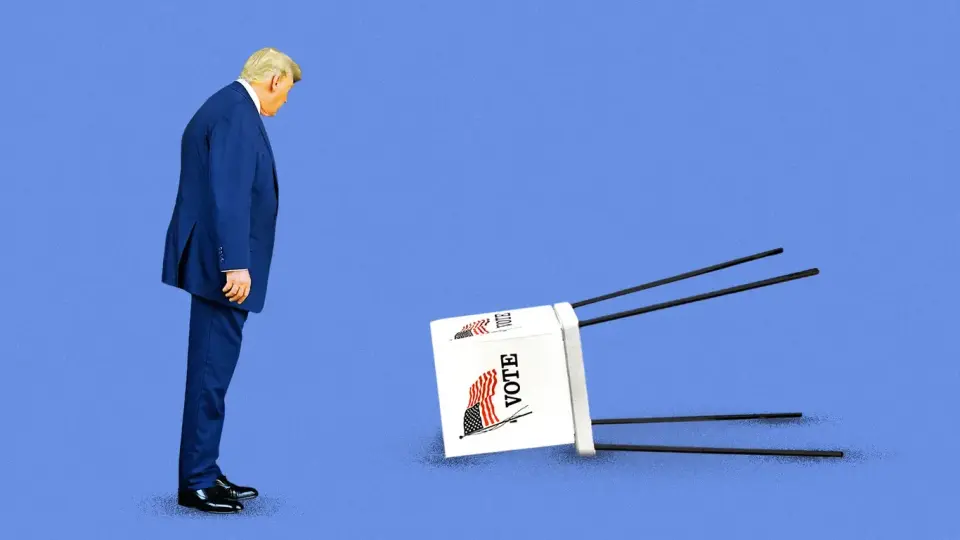
A federal judge lifted a nationwide block on the Trump administration’s new Postal Service rules for mail voting, requiring states to redesign envelopes and upload voter data. Critics argue these measures, alongside demands for citizenship proof and redistricting changes, aim to suppress turnout and erode trust. While the administration claims these are integrity measures, voting rights experts note that most such efforts have been blocked in court or failed to pass Congress, with the primary goal being to confuse voters before the November midterms.
Key points
- A federal judge lifted a nationwide block on the administration’s Postal Service mail-voting overhaul, allowing it to take effect just before states begin sending ballots.
- The new plan requires states to redesign ballot envelopes and upload voter lists to the Postal Service, which can reject mailings that fail to meet new data requirements.
- Twenty-four attorneys general and Pennsylvania Governor Josh Shapiro sued the plan, arguing it imposes 'Herculean tasks' on election officials with limited resources.
- The administration is pushing the SAVE America Act, which would require proof of citizenship to register, a measure critics say could disenfranchise over 21 million eligible voters.
- DOJ has sued most states for unredacted voter-registration lists, but 23 of these lawsuits have been dismissed so far.
- Trump has demanded Republican-led states redraw congressional maps mid-decade, an Axios analysis found worth a 1.8-point swing in the national margin.
Background
This follows earlier reports in August 2026 where Trump hinted at using emergency powers to reshape elections, a suggestion he did not disavow when asked by right-wing broadcasters. Previous coverage noted that the Constitution vests election authority in states and Congress, and that past executive actions on this front were blocked by courts. The current escalation includes a series of declassified documents released by a White House 'Government Transparency Task Force' alleging noncitizen voting, which experts criticize as unfounded and lacking methodology.
How outlets are covering it
Axios and The Washington Post emphasize the legal and administrative burden on states, noting that while the Postal Service rule is now in effect, the broader strategy has faced significant court losses. The Guardian highlights the potential for a national emergency declaration, citing statements from Steve Bannon and former White House attorney Ty Cobb, while noting that no president has ever used such powers to control voting. The Bulwark frames the situation as an attempt to 'steal the midterms' through intimidation and disinformation. The White House, via spokesperson Lauren Bis, defends these actions as 'commonsense election integrity measures' supported by the majority of Americans, arguing that Democrats are obstructing necessary reforms to ensure only citizens vote. Voting rights groups like the ACLU and Brennan Center counter that the confusion created by these executive orders is an intended byproduct to deter turnout, not a bug.
Why it matters
The outcome of these legal battles and the implementation of new federal rules could significantly impact voter access and trust in the upcoming November midterms. If the administration succeeds in creating administrative chaos or successfully passes the SAVE America Act, it could disenfranchise millions of eligible voters. Conversely, continued court victories for states and voting rights groups may maintain the status quo, but the uncertainty itself may suppress turnout among vulnerable populations, particularly immigrant communities and those relying on mail ballots.
What to watch
States are expected to begin sending ballots soon, potentially triggering rejections by the Postal Service if they do not meet the new data requirements. Democratic-led states and private attorneys are preparing to file further lawsuits to defend election officials against potential federal funding threats or arrests. Congress is expected to continue debating the SAVE America Act, though it has not passed the Senate. The administration may release more 'election integrity' documents or consider a national emergency declaration in the final weeks before the election, as predicted by some allies.
- Trump is pulling every lever to reshape U.S. elections Axios
- Inside the Democratic task force preparing for if Trump interferes in the midterms NPR
- Lawyers gear up as Trump administration threatens election officials with arrest The Washington Post
- Trump’s continued distrust in election integrity has experts eyeing his next move The Guardian
- Prepare for Trump to Try to Steal the Midterms The Bulwark
Want the full story? Read the original reporting
Read on Axios