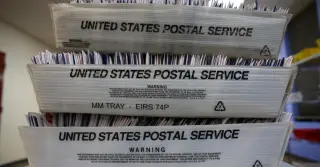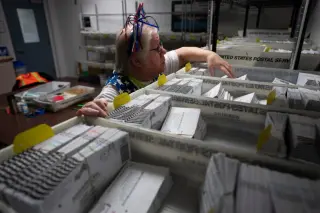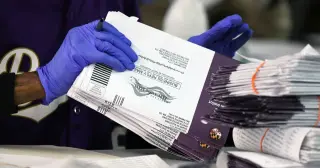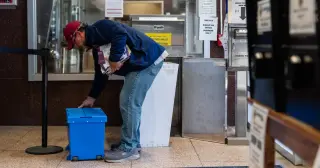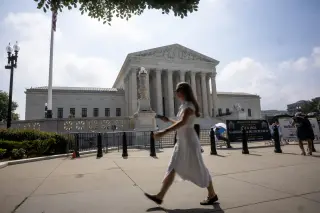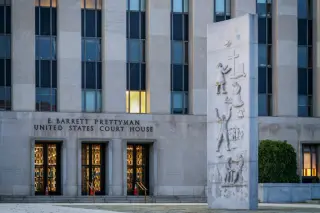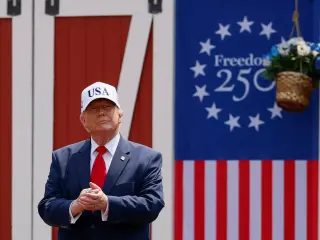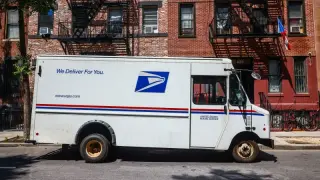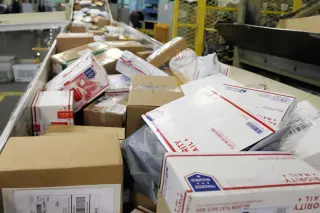
The Supreme Court, in an unsigned emergency order, lets the Trump administration press ahead with its plan to restrict mail-in voting by directing the USPS to decide who gets ballots and by creating citizenship lists, despite ongoing lower-court injunctions; the ruling is temporary and not a final decision, with more legal battles likely as the midterms approach and early voting begins.
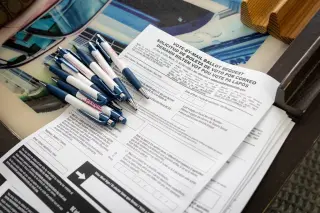
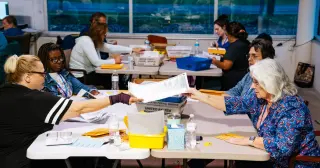
The Justice Department asked the Supreme Court to stay lower-court injunctions and allow the administration to implement a sweeping executive order that would compile citizenship lists for states and route ballots through the USPS, potentially barring delivery for voters not on the lists. The move seeks to apply the order to the November elections, despite ongoing legal challenges and a 90‑day deadline that has already passed. Courts have said the decree isn’t ripe for review until final rules are issued, while the DOJ argues swift action is needed to avoid irreparable harm and protect election integrity; experts warn the policy could confuse voters and disrupt ballot counts.
USPS asked a federal court to stay its injunction blocking the implementation of Trump’s mail-voting directive while it appeals a ruling that the proposed rule violated a 2021 NAACP settlement; Democrats warned the pause could disrupt midterm election administration, and USPS plans to petition the D.C. Circuit. A separate Massachusetts ruling enjoined the order in 23 states, and lawmakers have pressed USPS to comply with court orders.
A federal judge blocked USPS’s proposed rule to restrict mail-in ballots, siding with the NAACP and ruling the plan likely violates a 2021 settlement on timely election mail, thereby hindering Trump’s efforts to curb mail voting before the November elections.
A federal judge blocked the USPS from implementing President Donald Trump’s plan to limit mail-ballot delivery nationwide, ruling the proposed regulation violated a 2020 settlement and would expand federal oversight of elections.
The Postal Service has delayed employer contributions to the Federal Employees Retirement System to fund current operations, averting an immediate cash crisis but signaling long-term financial instability. USPS now projects a cash shortfall could reemerge between fiscal 2031 and 2035, rather than by 2027, while Postmaster General David Steiner warns the agency remains out of cash and far from sustainable. The carrier hasn’t turned a profit since 2006, posted a $2 billion Q2 2026 loss (following a $9.5 billion loss in fiscal 2025), and has cut nonessential spending as it pursues reform. Lawmakers remain skeptical of further aid, even as USPS has hired Alvarez & Marsal to study options, including potential service cuts and structural changes, with reforms ranging from price increases to removing the regulator. Steiner indicated Congress will receive detailed five-year projections and data on cost-cutting measures, and the agency is preparing to respond by Friday.
Postmaster General David Steiner said the USPS would restrict mail-in ballots in states that don’t provide lists of eligible voters, following a Trump-ordered rule. Democrats argue it would federalize election administration, while Republicans say it’s about preventing fraud. The rule would require the USPS board’s approval and raises constitutional questions, as election oversight is primarily a state matter; USPS officials also stressed ongoing financial pressures as they prepare for the 2026 midterms.
USPS published a proposed rule to restrict mail-in ballots to voters on federal registration lists, a move linked to President Trump’s bid to curb mail voting. If finalized, states would have to provide these lists 30 days before ballots are mailed, risking eligible voters losing ballots and prompting ongoing lawsuits about federal overreach into state-run elections.
A federal judge kept in place President Trump’s executive order limiting who can receive mail ballots, delivering an early victory for his stance on voting rules. The court said it was too soon to block the order because the Postal Service has not yet implemented it, and lawsuits led by the Democratic National Committee and voting-rights groups continue to challenge the authority behind the policy ahead of the fall elections.
Canada Post plans to end traditional home mail delivery and shift to centralized delivery options such as community mailboxes, a move that would change how Canadians receive mail. The excerpt does not include a detailed timetable or all implementation details.
The USPS, already dealing with a cash shortfall and cost-cutting pressures, faces a presidential executive order aimed at restricting mail voting by compiling lists of eligible voters and directing the Postal Service to send only ballots for those voters. The order has been challenged by more than 20 states as unconstitutional, underscoring a broader political battle over voting by mail amid ongoing postal strain.
USPS warns it will run out of cash within a year and may have to cut delivery days or close post offices unless Congress raises its Treasury borrowing limit (to $15B) and approves long-delayed investments, as mail volume falls and a GAO report labels the business model unsustainable; lawmakers are divided on relief, with some open to reforms and others urging tighter cost cuts, while USPS seeks higher prices on mail and packages to compete in a shrinking market.
The Supreme Court ruled the U.S. Postal Service cannot be sued, even in cases of intentional non-delivery of mail, preserving the agency’s immunity from liability.
Presidents Day 2026 on Feb. 16 features banks largely closed and the U.S. stock market shut; USPS halts mail delivery. UPS and FedEx will still deliver in many areas, though pickups may be limited. Target, grocery stores, fast-food chains, and CVS are generally open (hours vary by location). Online banking remains available, and the holiday’s name reflects Washington’s Birthday rather than the more common Presidents Day.
Most retailers plan regular hours on MLK Day 2026, with exceptions: mail delivery and USPS retail locations are closed; banks and the stock market are closed; check local hours for individual stores, as hours can vary by location.