
Trump Administration’s Election Interference Escalates Amid Legal Defeats
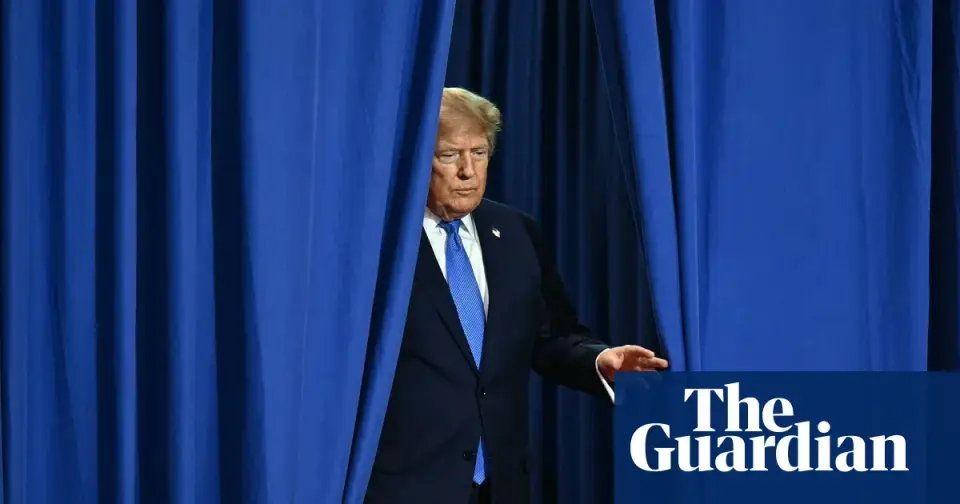
The Trump administration is intensifying efforts to undermine the 2026 midterm elections through a series of executive actions, disinformation campaigns, and legal challenges aimed at nationalizing voting processes. Despite repeated court defeats and constitutional objections, the White House continues to release questionable intelligence reports and demand access to state voter data. Experts warn these moves could culminate in a declared national emergency to suppress votes or delegitimize results, though legal scholars emphasize that the Constitution reserves election administration for states and Congress.
Key points
- The White House has released multiple declassified documents alleging noncitizen voting and foreign interference, despite lacking verifiable evidence or transparent methodology.
- Trump declined to rule out declaring a national security emergency to control elections, a move legal experts say has no constitutional basis.
- The Department of Justice sued 30 states and D.C. over refusal to share voter lists, but courts have dismissed most cases, including a recent ruling against Minnesota.
- The administration is pushing the 'Save America Act,' which would require federal oversight of voter rolls and restrict mail-in voting, despite bipartisan opposition.
- Democratic lawmakers and advocacy groups are preparing for potential federal interference, including the deployment of ICE agents or National Guard troops to polling places.
Background
This escalation follows earlier signals in August 2026, where Trump hinted at using emergency powers to bypass Congress after the Senate stalled his voting restrictions. Previous coverage noted that legal scholars and former RNC chair Michael Steele warned such actions could destabilize democratic norms. The current push builds on a pattern of executive orders targeting mail voting and voter data, which have faced multiple court injunctions.
How outlets are covering it
The Guardian and Center for American Progress frame the administration’s actions as a coordinated effort to subvert democracy, citing 15 interlocking tactics including disinformation and federal agent deployment. The New York Times editorial board rates the U.S. as moving toward autocracy, noting the administration’s manipulation of law to retain power. Slate emphasizes the legal failures of the DOJ’s lawsuits, highlighting judicial rejections of federal overreach. While all sources agree on the threat to election integrity, they differ in emphasis: The Guardian focuses on the groundwork for a national emergency, the NYT on democratic erosion metrics, and Slate on the judiciary’s role in blocking executive overreach.
Why it matters
If the administration succeeds in nationalizing elections or suppressing votes, it could undermine the legitimacy of the 2026 midterms and set a precedent for future authoritarian consolidation. The constitutional limits on executive power over elections remain a critical barrier, but the administration’s persistent legal and rhetorical pressure tests the resilience of democratic institutions.
What to watch
The Supreme Court is expected to rule on the administration’s emergency request to implement mail-voting restrictions. Meanwhile, the administration may continue releasing questionable intelligence reports or escalate legal challenges against states. Advocacy groups are preparing for potential federal interference, while Democrats are strategizing to counter executive provocations before November.
- Trump laying groundwork to impose national emergency by sowing election distrust The Guardian
- Opinion | Trump’s Election Interference Is Eroding American Democracy The New York Times
- Fact Sheet: The Trump Administration Is Interfering in the 2026 Midterm Elections To Entrench the Imperial Presidency Center for American Progress
- Trump Can’t Stop, Won’t Stop (Undermining the 2026 Elections) Slate Magazine
- Trump National Emergency Before the Midterms? The Prediction Market Sitting at 28% tech-insider.org
Want the full story? Read the original reporting
Read on The Guardian