
US clocks fall back as Trump’s daylight saving push hits Senate wall
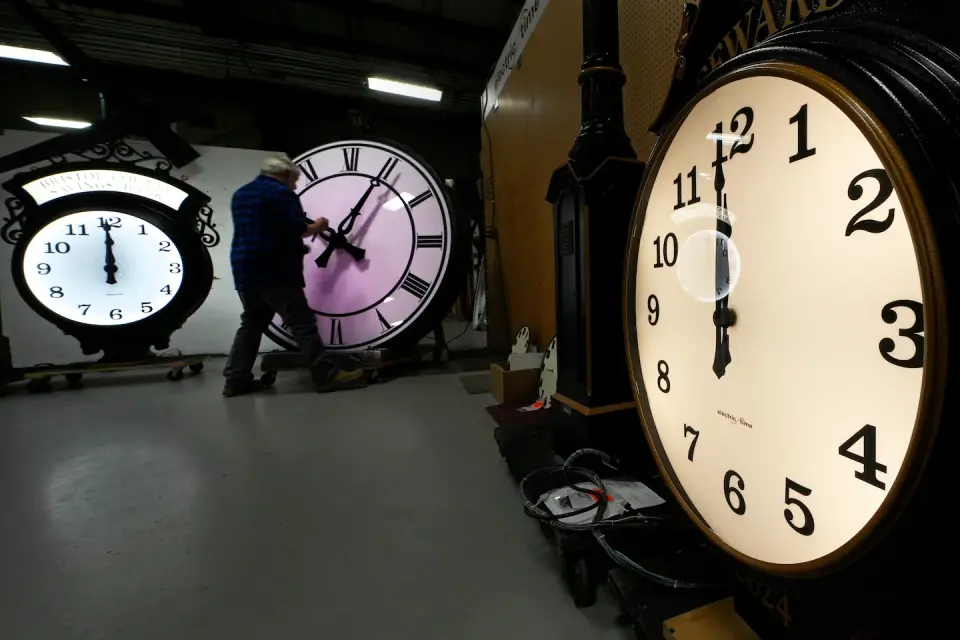
Most Americans reverted to standard time at 2 a.m. on Nov. 1, 2026, despite President Trump’s urgent calls to make daylight saving time permanent. The Sunshine Protection Act, which passed the House in July, remains stalled in the Senate due to opposition from Sen. Tom Cotton and concerns over winter sunrise times. While the President has publicly pressured lawmakers, including sharing a senator’s phone number, the bill faces significant hurdles before the 119th Congress ends in January.
Key points
- Daylight saving time ended at 2 a.m. on Nov. 1, 2026, for most of the US, excluding Hawaii and most of Arizona.
- The Sunshine Protection Act passed the House in July with a 307-117 vote but is stalled in the Senate.
- President Trump has intensified pressure on the Senate, including publicly sharing Sen. Tom Cotton’s phone number to urge action.
- Sen. Tom Cotton opposes the bill, citing concerns about children traveling to school in the dark during winter months.
- A new study suggests permanent daylight saving time could lead to over 2 billion additional dark-morning school commutes annually nationwide.
Background
The debate over permanent daylight saving time has persisted for decades, with the US briefly adopting it year-round in 1974 before reversing course due to safety concerns. Previous archive coverage noted that while the House passed the bill, the Senate remained deadlocked, with health experts favoring standard time for circadian health and advocates supporting permanent daylight saving for evening light. The current stalemate risks the bill expiring when the 119th Congress ends in January.
How outlets are covering it
The Washington Post and Fox News emphasize the political friction, noting Trump’s aggressive tactics and the Senate’s lack of consensus. Axios highlights the public opinion gap, citing a Gallup poll where 48% of Americans prefer permanent standard time versus 24% who favor permanent daylight saving. CNN focuses on the scientific and safety implications, detailing a study that links permanent daylight saving time to increased pedestrian crash risks for children. While all outlets agree the bill is stalled, they differ in emphasis: Fox and the Post focus on the legislative deadlock and Trump’s pressure, while CNN and Axios highlight the health and safety trade-offs and public sentiment.
Why it matters
The outcome of this debate affects daily routines, sleep patterns, and safety for millions of Americans. If the bill fails to pass, the US will continue its twice-yearly clock changes, with the next shift scheduled for March 14, 2027. The stalemate also reflects broader tensions between executive pressure and legislative autonomy, as well as the competing priorities of evening leisure versus morning safety and circadian health.
What to watch
The Senate is expected to return after the midterm elections with a packed schedule, making it difficult to prioritize the Sunshine Protection Act. Unless Congress acts before January, the bill will likely expire, and the US will revert to standard time in March 2027. Trump may continue to pressure lawmakers, but the lack of consensus and opposition from key senators like Tom Cotton suggest the bill faces significant hurdles.
- ‘Spring forward’ … in November? A Trump-backed bill could create a time jump. The Washington Post
- Permanent Daylight Saving Time could put schoolchildren’s lives at risk. An expert explains CNN
- Clocks are still falling back despite Trump's daylight saving push Axios
- Americans forced to change clocks again as Senate stalls Trump-backed daylight saving time bill Fox News
- Trump is wrong on always having daylight saving time New York Daily News
Want the full story? Read the original reporting
Read on The Washington Post