
US Condemns 'Embarrassing' Military Court Complaint Against Lebanese Ambassador for Contacting Israeli Counterpart
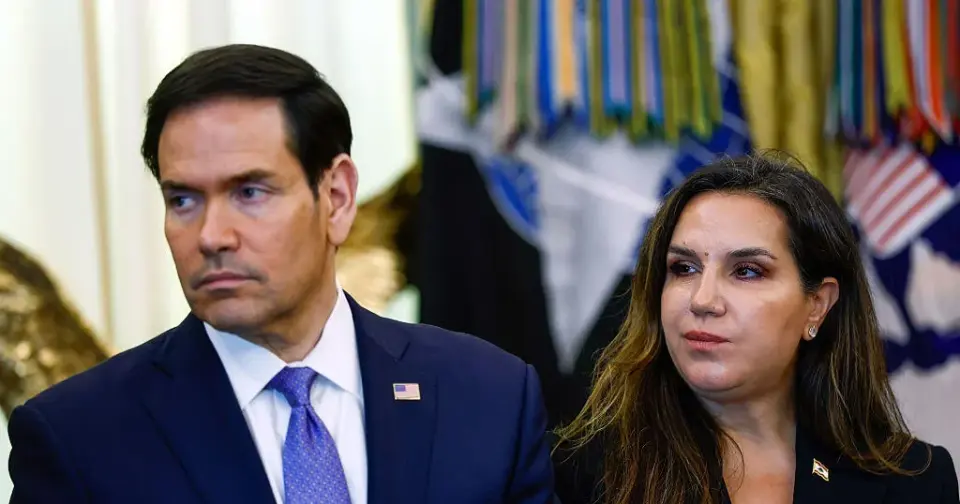
The Trump administration sharply criticized a legal complaint filed against Lebanese Ambassador Nada Hamadeh Moawad for contacting Israeli Ambassador Yechiel Leiter. The State Department called the move 'embarrassing' and an attempt by Hezbollah-linked actors to obstruct US-brokered peace talks. The complaint, filed by a lawyer described as pro-Hezbollah, stems from Moawad’s reported inquiry about Leiter’s son, who was injured in a recent terror attack. While the US demands Lebanon repeal laws enabling such 'politicized targeting,' the incident highlights ongoing tensions between Lebanese state authority and Hezbollah’s influence over diplomatic normalization.
Key points
- A complaint was filed with Lebanon’s military judiciary against Ambassador Nada Hamadeh Moawad for contacting Israeli Ambassador Yechiel Leiter.
- The contact reportedly involved Moawad asking about the health of Leiter’s son, who was seriously injured in a car-ramming attack in the West Bank.
- The US State Department described the complaint as 'embarrassing' and accused Hezbollah-linked actors of obstructing US-led diplomatic efforts.
- The complaint was filed by lawyer Hassan Adel Bazzi, whom the US described as pro-Hezbollah, following a report in the Beirut Review.
- The US called for the repeal of a 1955-era anti-normalization law that prohibits contact between Lebanese and Israeli citizens.
- It remains unclear if the complaint will lead to formal proceedings, as it was referred to a government commissioner for review.
Background
This incident occurs amid a sustained US push to improve relations between Israel and Lebanon, which remain formally at war. In April 2026, Secretary of State Marco Rubio hosted the first direct diplomatic talks between the two countries in decades. A framework agreement signed in June aimed to establish peace through gradual Israeli withdrawal and Hezbollah disarmament, but implementation has stalled due to disagreements over sequencing and verification. Previous rounds of talks in Rome in August ended without breakthrough, with another round expected this month. The current complaint adds to broader tensions regarding Hezbollah’s influence over Lebanese state authority and its resistance to normalization with Israel.
How outlets are covering it
CBS News and The Jerusalem Post both emphasize the US State Department’s strong condemnation of the complaint, highlighting the 'embarrassing' nature of the military court’s involvement and the accusation that Hezbollah is obstructing peace. The Jerusalem Post notes the complaint was filed by lawyer Hassan Adel Bazzi and references recent security incidents in Lebanon, including intercepted explosives, as evidence of Hezbollah’s growing influence. Middle East Online provides a more analytical perspective, questioning whether the complaint is a deliberate attempt to divert attention from a recent survey showing significant support among Lebanese Shia citizens for transferring Hezbollah’s weapons to the state. While CBS and JPost focus on the diplomatic and security implications, Middle East Online frames the issue as a broader struggle over state authority versus non-state power, noting that the complaint should not be treated as a verdict but as a procedural step in a larger political debate.
Why it matters
The complaint against the Lebanese ambassador signals a potential setback in US-brokered peace efforts between Israel and Lebanon. If the legal action proceeds, it could deter other diplomats from engaging in normalization talks, undermining the framework agreement signed in June. The incident also reflects the ongoing struggle within Lebanon between the state’s diplomatic initiatives and Hezbollah’s opposition to any contact with Israel. The US pressure to repeal anti-normalization laws could reshape Lebanon’s legal landscape, potentially reducing Hezbollah’s ability to use legal mechanisms to obstruct peace. The outcome of this case may influence the trajectory of future diplomatic talks and the balance of power between the Lebanese state and Hezbollah.
What to watch
The next round of Israeli-Lebanese negotiations is expected to take place in Rome this month. It remains to be seen whether the complaint against Ambassador Moawad will result in formal legal proceedings or be dismissed. The US is likely to continue pressuring Lebanon to repeal the 1955-era anti-normalization law and other practices that enable 'politicized targeting' of diplomats. The outcome of the complaint could impact the momentum of the peace process and the broader debate over Hezbollah’s role in Lebanese politics and security.
- U.S. blasts "embarrassing" complaint filed against Lebanon's ambassador CBS News
- US weighs sanctions on Lebanese judges over complaint against envoy for contacting Israeli ambassador after son wounded The Times of Israel
- Hezbollah-affiliated lawyer issues complaint about Lebanese Ambassador to US The Jerusalem Post
- US laments judicial complaint against Moawad over reports she consoled Israeli envoy Naharnet
- Lebanon’s envoy under fire Middle East Online
Want the full story? Read the original reporting
Read on CBS News