
US Mint Circulates Trump $1 Coins Amid Legal and Political Controversy
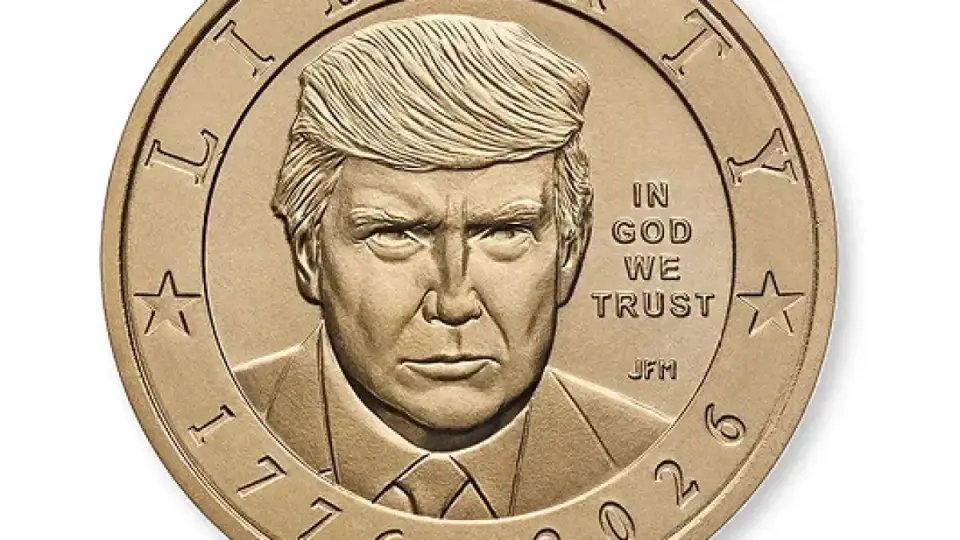
The US Mint began selling $1 coins featuring President Donald Trump’s portrait on October 14, 2026, to mark the nation’s 250th anniversary. The gold-colored coins, made of manganese brass, are legal tender but sold at a premium. While the Treasury cites a 2020 law allowing the design, critics argue it violates federal statutes restricting living portraits on currency and bypasses required advisory reviews.
Key points
- The US Mint launched sales of $1 coins bearing Trump’s likeness on October 14, 2026, coinciding with the semiquincentennial.
- The coins feature 'LIBERTY' and 'IN GOD WE TRUST' on the obverse and the presidential seal with '250' on the reverse.
- Pricing includes $61 for a 25-coin roll and $154.50 for a 100-coin bag, despite a face value of $1.
- Treasury Secretary Scott Bessent announced the coin in July, citing the Circulating Collection Coin Redesign Act of 2020.
- The coins are legal tender but private businesses are not required to accept them as payment.
- 250,000 coins struck on July 4 in Philadelphia include a special 'July 4th' privy mark.
Background
This development follows a series of Trump-branded commemorative items, including limited-edition passports and a proposed $250 bill. In September 2026, the Mint had already begun selling these coins, sparking early debates over legality. The current release marks the first time a living person has appeared on US currency in nearly a century, echoing a 1926 coin featuring President Calvin Coolidge.
How outlets are covering it
Al Jazeera emphasizes the political backlash, noting Democratic Senators Catherine Cortez Masto and Jeff Merkley introduced legislation to block the coin, calling it a 'vanity project.' Axios highlights the practical aspect that while the coins are legal tender, merchants can refuse them, citing historical low demand for previous $1 coins. Time Magazine focuses on the legal nuances, reporting that the Citizens Coinage Advisory Committee did not review the design, and legal scholars argue the Mint bypassed statutory requirements. The Treasury maintains the coin complies with the 2020 Act, which restricts living portraits only to the reverse side, whereas Trump’s image is on the obverse.
Why it matters
The release tests the boundaries of executive power and federal law regarding currency design. It raises questions about the separation of powers, as the Treasury proceeds without full advisory committee input. The controversy also highlights tensions between commemorative traditions and modern political branding, potentially setting a precedent for future administrations to use currency for personal or political promotion.
What to watch
The Treasury and Mint have not responded to requests for comment regarding the legal challenges. Democratic lawmakers may pursue further legislative or judicial action to block the coins. The proposed $250 bill featuring Trump remains pending congressional approval. Public reaction and collector demand will determine the commercial success of the coins, while legal experts may challenge the Mint’s compliance with the Circulating Collection Coin Redesign Act.
- What you need to know: US launches coin featuring Trump’s face Al Jazeera
- Trump $1 Coin Goes On Sale For Up To $2.44 forbes.com
- The $1 Trump coins are here. Why spending them is legal but tricky Axios
- US Mint officially launches $1 coin featuring Trump The Hill
- U.S. Mint Begins Selling Trump $1 Coins. Are They Legal? Time Magazine
Want the full story? Read the original reporting
Read on Al Jazeera